Nature is a healing touchstone for many. That was especially evident when we reduced our socializing due to COVID-19. A walk in a park was a way to get out of our self-imposed lockdowns and stay safely distant from others while embracing the environment.
Many people went further as the coronavirus pandemic continued, moving from crowded cities to suburban or urban retreats where they could work from home. They found, in a fashion, their own modern day Walden Ponds. At least for a while.
The Walden OG: Henry David Thoreau moved in the summer of 1845 to Walden Woods to try his hand at simple living.
He later explained in his book "Walden" that he did so because, "I wished to live deliberately, to front only the essential facts of life, and see if I could not learn what it had to teach, and not, when I came to die, discover that I had not lived."
While those who retreated to nature during COVID were, for the most part, not contemplating such long-range philosophical issues, they were concerned about life and death. Or at least serious illness.
Taxes and civil disobedience: But it's not just COVID and its resurgence due to the spreading Delta variant that's got me thinking about Thoreau.
The 19th century naturalist, philosopher, and writer is top of mind today because he also was a tax protester.
That tax-fighting part of his life earns this weekend's Saturday Shout Out for Joe Thorndike's article, "Thoreau's Arrest for Tax Protesting Was Illegal — And it Changed the World."
Thorndike, director of the Tax History Project at Tax Analysts and contributor to Tax Notes, looks specifically at an instance 175 years ago when Thoreau was jailed — briefly, but significantly — for refusing to pay his taxes in Concord, Massachusetts.
Moving beyond taxes: The experience became the basis, says Thorndike, for Thoreau's famous essay "Civil Disobedience," first published in 1849. Thorndike points to one of the writer's more quotable passages from that work that has resonated over time for political and social activists:
"I say, break the law. Let your life be a counter-friction to stop the machine."
The enemy machine(s) are still working, but subsequent friction also continues to try to slow the grind. It's a difficult effort, whatever your fight, but necessary for those who want better for themselves, their families, their leaders, their countries, and the world.
Thorndike says the foundation for such protests was laid in large part by the tax-protesting Thoreau, who had hoped his anti-tax efforts would help end slavery. That didn't happen.
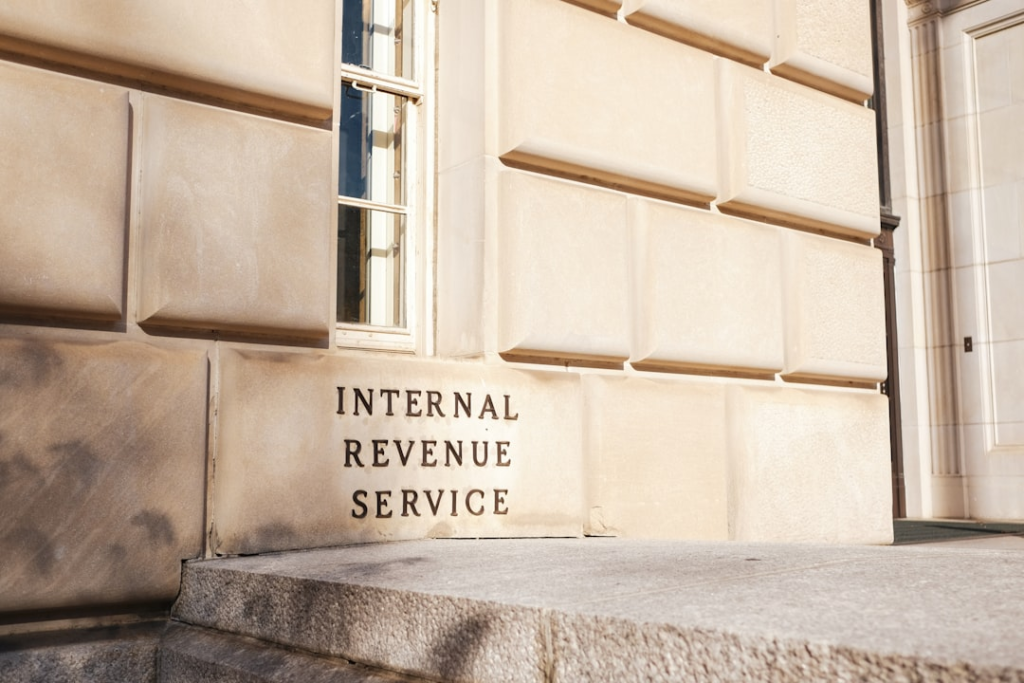
Legit tax protests, please: While I appreciate Thoreau's position and commitment, personally I can't advocate general, across-the-board tax protestations. At the federal level, if the Internal Revenue Service deems your refusal as frivolous, you could spend a lot more time in jail for your tax trouble than Thoreau did.
State and local tax collectors like those Thoreau encountered aren't any more accepting of non-payers, either.
But I also admire and respect that Thoreau was a spark for similar efforts today, tax and otherwise, to guarantee justice for all. We've heard hints of Thoreau most recently in the exhortations of the late civil rights leader U.S. Rep. John Lewis, who urged us all to get in good trouble.
Whatever you do this weekend, be it get in any kind of trouble, or simply veg out, I do recommend you find a few minutes to read about Thoreau's tax protestations.
You also might find these items of interest:
- Infamous tax protester Irwin Schiff has died
- Rep. John Lewis' efforts, including for tax justice, remembered
- Happy Birthday, Henry David Thoreau, an early American naturalist, writer and tax protester
Advertisements