

Tax Refunds
Most taxpayers get tax refunds. Many of them plan for the tax cash every year, using the “Bank of IRS” as a forced savings account for tax over-withheld from their paychecks. Other taxpayers, however, get a refund surprise when they file their tax returns.
Whatever the reason you’re getting tax cash from Uncle Sam, check out these posts for ways to get the biggest possible refund and, of course, how to track it down if the Internal Revenue Service takes its sweet time in sending you your money.
Tax Refunds
Most taxpayers get tax refunds. Many of them plan for the tax cash every year, using the “Bank of IRS” as a forced savings account for tax overwithheld from their paychecks. Other taxpayers, however, get a refund surprise when they file their tax returns. Whatever the reason you’re getting tax cash from Uncle Sam, check out these posts for ways to get the biggest possible refund and, of course, how to track it down if the Internal Revenue Service takes its sweet time in sending you your money.


Some ghosts this Halloween are cool trick-or-treaters. But when it comes to taxes, beware of ghost preparers.

Tax reform changes to the adoption tax credit meant some families didn’t get the new law’s full benefit when they filed this year. Now the IRS is sending them their refunds, which could be as much as $5,000.

How is the Internal Revenue Service doing in going paperless? The Treasury Inspector General for Tax Administration (TIGTA) recently looked into the agency’s digital first efforts. Its report offers a snapshot of IRS progress and the challenges it still faces in moving to mostly electronic transactions.

While the IRS appeals a federal court ruling on tax penalties collected during the COVID pandemic, filers who paid them need to go ahead and file for possible tax refunds by July 10.

An Internal Revenue Service watchdog found the agency recently received billions in unidentified payments. Modernized operations will reduce unaccounted-for amounts. Taxpayers can help, too, by taking advantage of various IRS electronic options.

Treasury Secretary Scott Bessent fielded questions at a Congressional hearing about the 3.4 million taxpayers who’ve have their tax refunds delayed. The hold-up is because they wanted paper Treasury checks instead of direct deposit.
COVID was a major disruption in many parts of our lives, including taxes. Many Americans paid IRS penalties or interest during the 3½-year pandemic period. Now a federal court says those charges weren’t valid, meaning taxpayers could get the money back if they file a claim by July 10.

The Internal Revenue Service has sent more than 830,000 taxpayers a notice asking for their bank information so that their refunds can be directly deposited. But scammers also are sending out a fake IRS notice, seeking people’s bank data for nefarious purposes.

The key April 15 tasks are filing your return and paying any due tax. But there are some other tax responsibilities that must meet the Tax Day deadline.
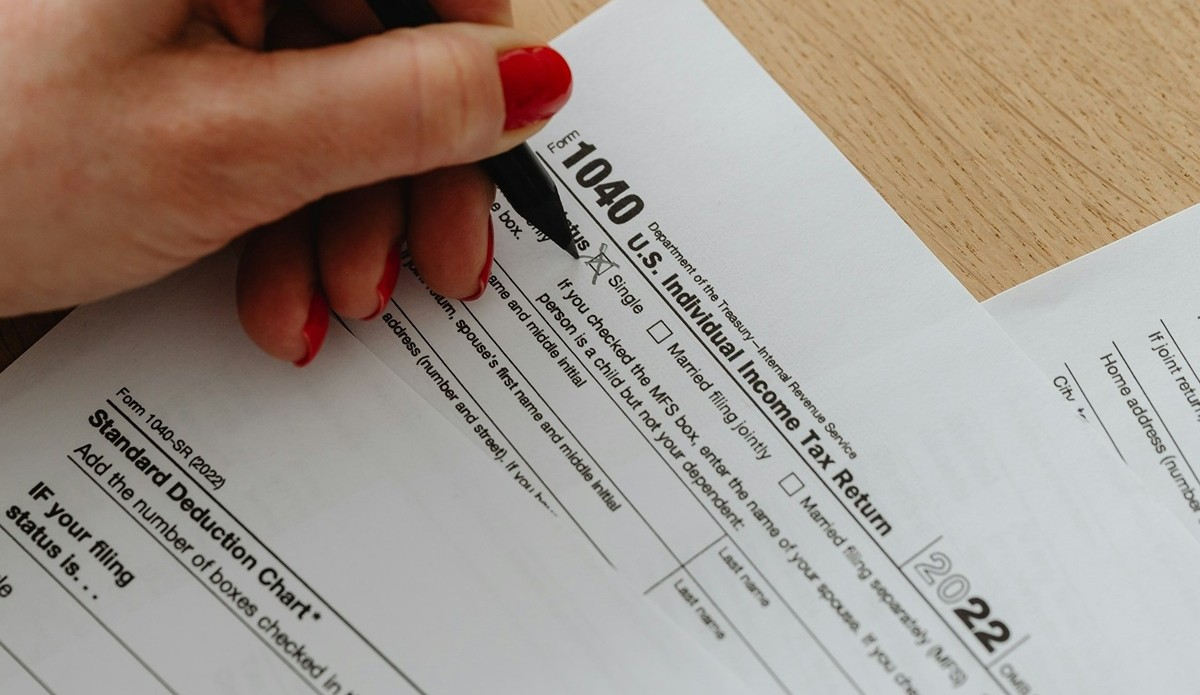
If you didn’t file a tax year 2022 return back in 2023 and were due a refund, time is running out for you to get your money. April 15, 2026, is the deadline to submit that old filing to the Internal Revenue Service and claim your cash.

An executive order mandating Uncle Sam primarily make electronic financial transactions has caused tax refund delays for more than 800,000 taxpayers (so far) this filing season.

Most taxpayers, at both the federal and state levels, get tax refunds every year. But this filing season, five states have been particularly slow in sending residents’ their refunds.

Sure, February is home to Valentine’s Day, but millions of Americans’ thoughts turn not to love, but taxes. This shortest month is a big one for taxpayers. Here are 3 tax moves to help with your return filing and tax refund.

Almost half of taxpayers in a recent survey said they are more dependent on their tax refund to make ends meet this year than they have been in the past.

Yay! Your tax refund finally arrived. Here are some ways to spend your tax cash.
Photo by Ksenia Chernaya While Department of Government Efficiency (DOGE) personnel are looking for Social Security benefits they believe were fraudulently sent to very old, probably deceased individuals, Uncle Sam’s official tax watchdog has a different take. The Treasury Inspector General for Tax Administration (TIGTA) recently examined situations where Uncle Sam owes taxpayers who passed away. TIGTA found, in its report 2025-IE-R12 issued March 12, that “Improvements Are Required to Promptly Validate and Issue Manual Refunds Associated With Deceased Taxpayers.” Overall, TIGTA’s analysis found that in the more than 440,000 final filings it reviewed, survivors were owed a total…

You were really counting on your tax refund, but the amount the Internal Revenue Service sent you was less than you expected. Welcome to the world of tax offsets.
Photo by David Guerrero It’s early in the 2025 filing season, but millions of taxpayers have already received their tax refunds. Most of these early filers also instructed the Internal Revenue Service to directly deposit their tax cash. Not only is direct deposit faster — in most cases, the IRS says refunds sent straight to financial accounts get there in 21 days or less — it’s a safer delivery method. You don’t have to worry about the U.S. Postal Service losing or misdelivering your Treasury check. Even better, it takes tax refund mailbox thieves out of the equation. Some taxpayers,…
State-by-State breakout of possibly forfeited refund money The Internal Revenue Service is holding a vast amount of money in 2024 in old, unclaimed tax refunds. Once again, it is more than $1 billion that was never sent to almost 940,000 across the United States. The reason? Those folks didn’t ask for it years ago. They neglected or forgot to file tax year 2020 returns back in 2021 to claim their refunds. They now have until May 17, 2024, to get their money. Wait, I hear tax-savvy long-time readers asking, why isn’t this unclaimed refunds deadline on this year’s regular Tax…
Photo by Olga DeLawrence on Unsplash .If you didn’t file a 2019 tax return and missed out on that tax year’s refund, you have less than a week to collect your money. You must file that old tax return, which originally was due on July 15, 2020, to account for COVID-19 pandemic delays that year, by July 17. That’s next Monday. The Internal Revenue Service announced this fast-approaching deadline, and I blogged about it, back in April. You can find details in that post, July 17, 2023, is deadline to claim $1.5 billion in 2019 tax year refunds. But since people,…
State-by-State breakout of possibly forfeited refund money The Internal Revenue Service is holding a vast amount of money in 2023 in old, unclaimed tax refunds. Once again, it’s nearly $1.5 billion that was never sent to around 1.5 million individual taxpayers. The reason? Those folks didn’t ask for it. They neglected or forgot to file tax year 2019 returns back in 2020 to claim their refunds. They now have until July 17, 2023, to get their money. Wait, I hear tax-savvy long-time readers asking, isn’t this unclaimed refunds deadline usually on Tax Day three years down the road? Yes. But…

Almost 29 million taxpayers have filed returns so far this 2023 tax season.
State-by-State breakout of possibly forfeited refund money The Internal Revenue Service is once again holding a vast amount of money — this year it’s an estimated $1.5 billion — that was never sent to around 1.4 million individual taxpayers. The reason? Those folks didn’t file tax year 2016 returns to claim their refunds. They have until the 2020 filing deadline, which in this extraordinary coronavirus-affected tax season is July 15. As this blog post explains, miss that due date to claim your 3-year-old refund and Uncle Sam gets to keep your money. The table below details just how much unclaimed…

Tax law change confusion and paycheck withholding miscalculations have led to a lot of grumbling by many filers about the size of their tax refund checks. Here’s what to do if you think your tax refund is wrong.
Blog Posts
The More Tax Posts tab at the top of this page will take you to, well, more tax posts. You also can search below for a tax topic.

October 28, 2026
Some ghosts this Halloween are cool trick-or-treaters. But when it comes to taxes, beware of…
TO WRAP UP 2026
It’s over! With October’s extended filing deadline behind us, it is now time to focus on year-end moves to reduce your 2026 tax bill.
You’ll find ways to do just that on the Tax Tips page (see the More Tax Posts drop-down menu at the top of the blog), as well as the separate tax tip pages for each month, notably October through December. If you’re on the Tax Tips page, you’ll find a monthly list at the end of this column. If you’re on another blog page, you can head straight to the October tips; at the bottom of that tips page you’ll find links to all the other 11 months’ collections of tax advice.
Not to spoil what you’ll find in that tax advice, but it does cover such things as tax deductions for charitable donations, investment moves that could reduce tax due, and ways to max out your tax-favored retirement savings.
Finally, as the year winds down, things get hectic. There are lots of other things to occupy our time, like the much more fun upcoming holidays. But don’t lose sight of taxes, since timing is key. To be of use, most tax moves must be made by the end of the tax year. That’s Thursday, Dec. 31, which also is the last business day of the year.
So that you don’t miss that final tax year deadline, also keep an eye on the countdown clock below. It will keep you on top of just how much time is left to make important, tax-saving moves. (Note: I’m in the Central Time Zone, so adjust accordingly for where you live.)