

Tax Policy in a Disaster
No place in the world is disaster-proof. Mother Nature unleashes her horrors globally and year-round as hurricanes, tornadoes, wild fires, floods, blizzards, and more. As a Texan, I’m well aware that my native state’s size makes it a target for all these catastrophes.
And, as long-time Don’t Mess With Taxes readers know, that’s made me a bit of a weather nut. My meteorological tendencies were underscored after living in South Florida. In 2004, the Sunshine State was hit by four hurricanes. Two, Jeanne and Frances, made landfall in our area just weeks apart.
So, since tax policy and Internal Revenue Service relief actions converge in the wake of major natural disasters, it’s also natural that there’s a lot of storm-related tax posts here on the ol’ blog. In fact, my second ever post back on November 15, 2005, was Stormy Tax Policy about, yes, hurricanes.
When Mother Nature decides to turn into Mommy Dearest, you’ll find posts with tips on the disasters and their associated tax implications. They cover storm preparation, recovering from a disaster, how to help those who are in a disaster’s path, and more.
I know, taxes are the last thing you’re thinking about when a hurricane, tornado, or wildfire are heading your way. Or after it has struck. But some tax actions can help you recover more quickly, after, of course, you first make sure you and your family stay safe.
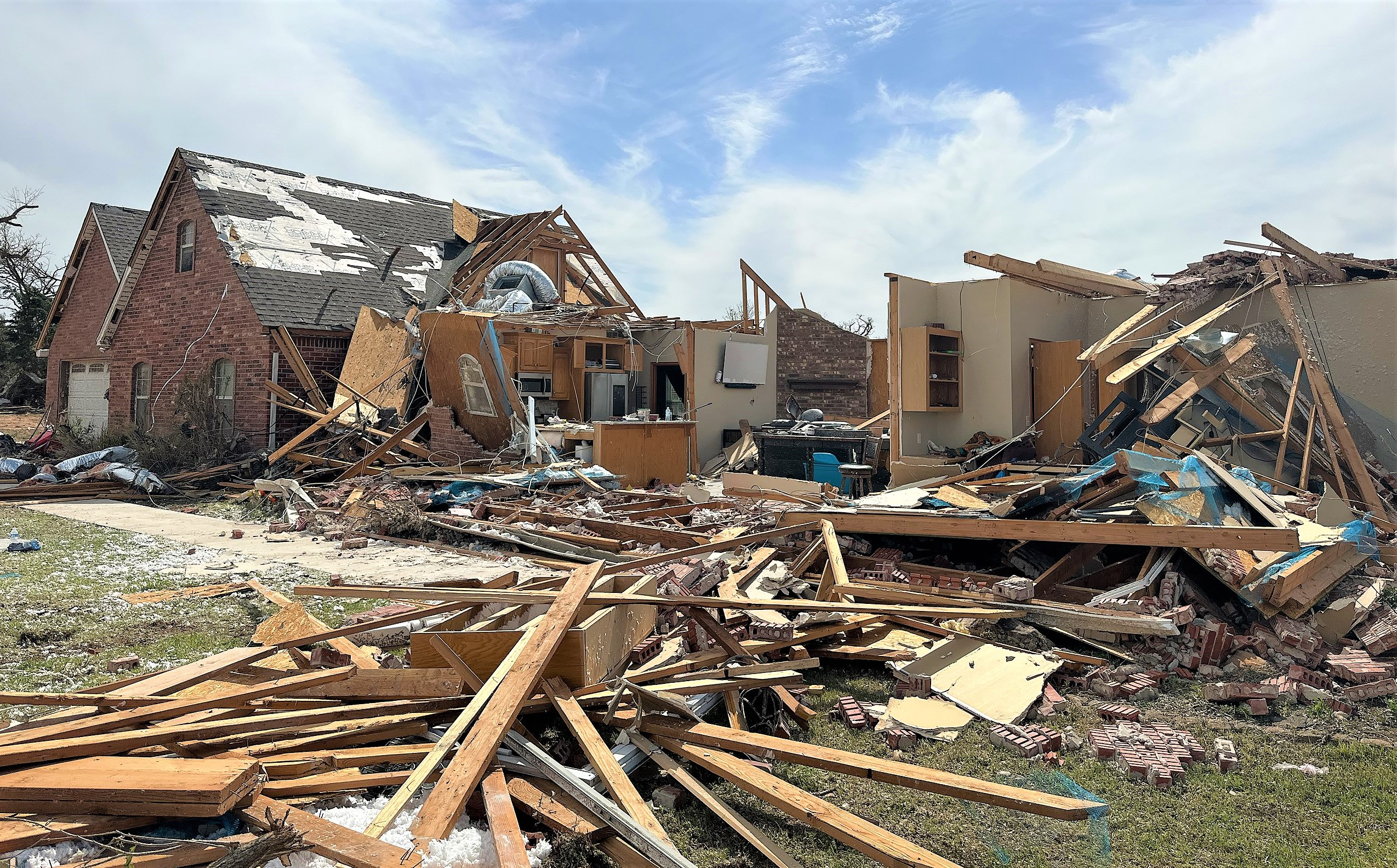
When tornadoes or other major disasters strike, the IRS usually provides affected taxpayers tax relief. That generally includes new, later deadlines, even for tax returns on extension.

You can honor the heroes of Sept. 11, 2001, on Friday’s Patriot Day (or any day) by donating to or volunteering with nonprofit groups. Associated tax breaks might even save you enough so that you can give even more to your favorite causes.

September marks the beginning of the fall season. It’s also a great month to make some chill tax moves that could save you some cold tax cash.
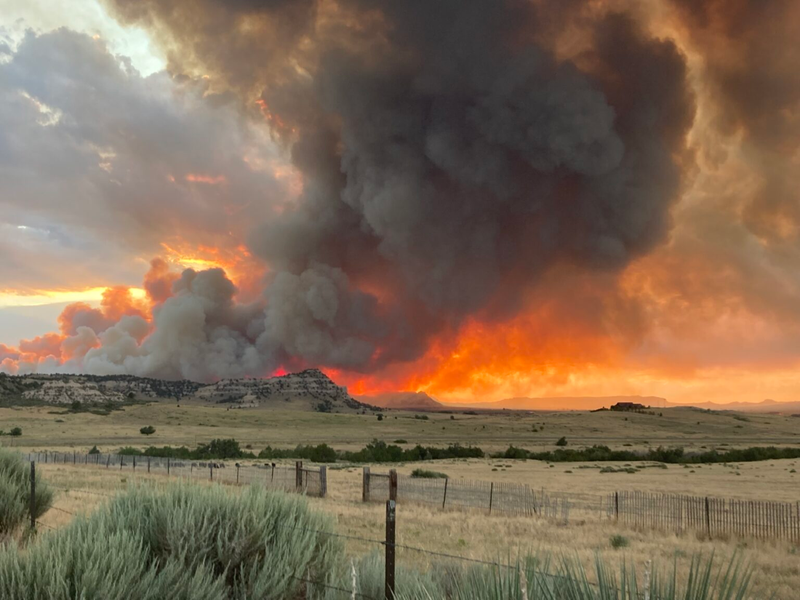
Record-setting blazes across Nebraska earlier this year burned more than 800,000 acres. Now, the IRS has granted affected Cornhusker State taxpayers relief, including a new Feb. 1, 2027, deadline.
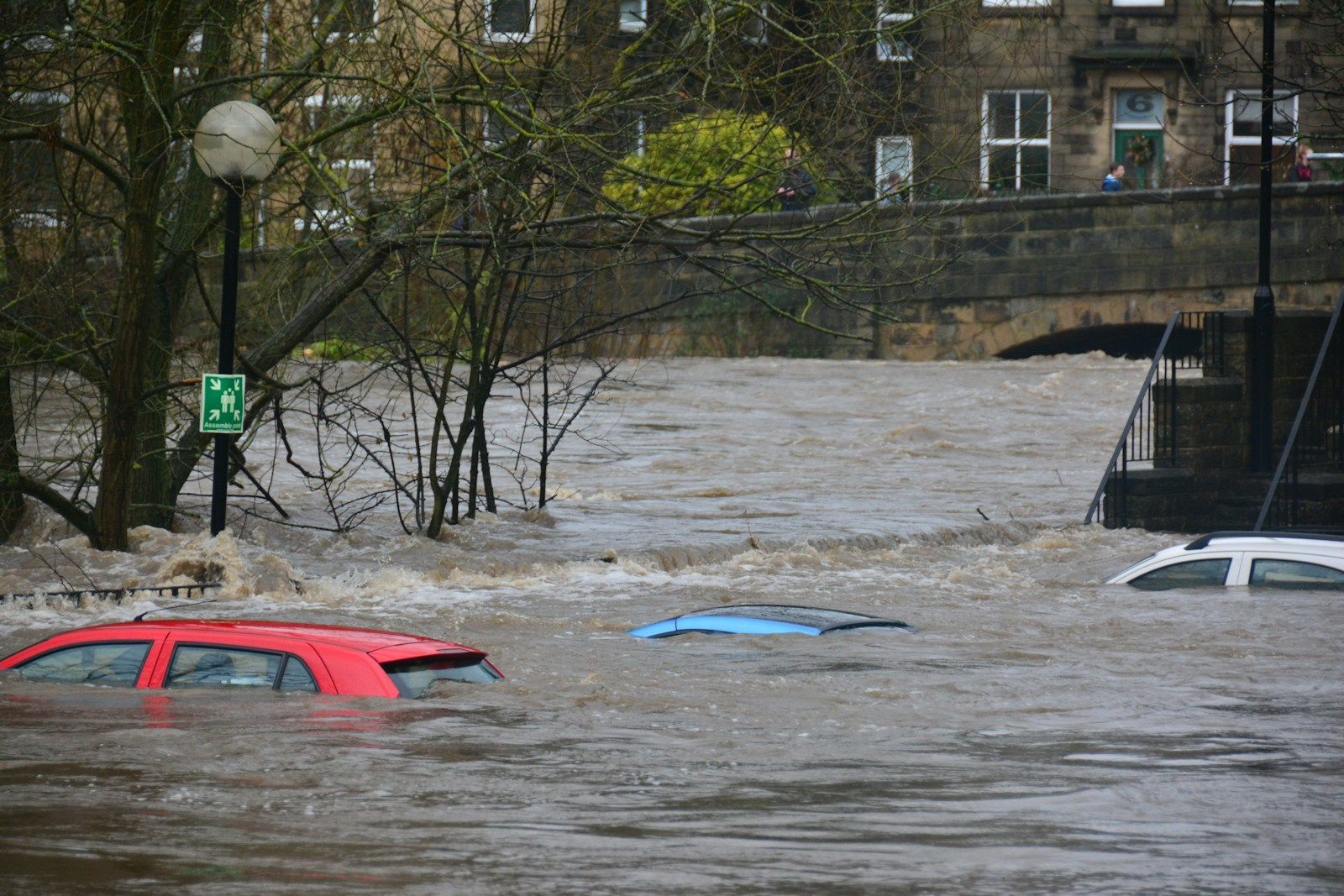
The 2026 Atlantic hurricane season has been slow to develop, but other major storms have wreaked havoc across the United States. Here are the hard-hit places where the IRS has granted taxpayers relief, such as extended tax deadlines.

Wildfires are among the catastrophes across the United States that have disrupted, or worse, the lives of millions. If you want to help those dealing with a disaster, make sure you give to legitimate organizations and not to scammers looking to cash in on other’s misfortunes.
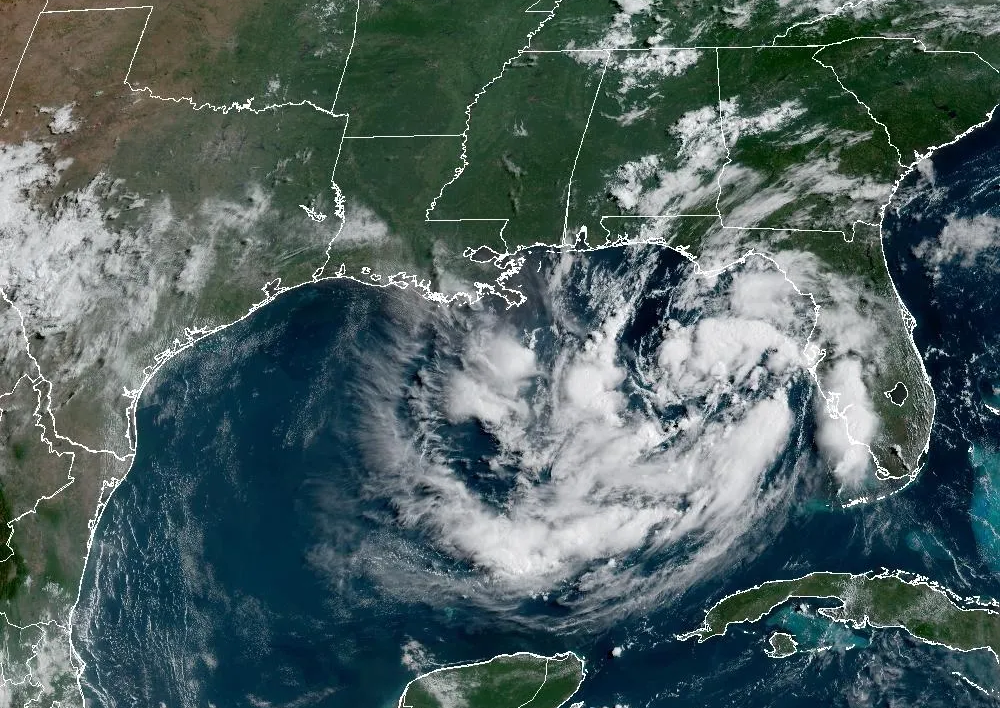
The quiet-so-far 2026 hurricane season looks to be ramping up a bit. Gulf of Mexico residents need to prepare now for Bertha, which could be strong enough to be named as soon as Monday, July 20.
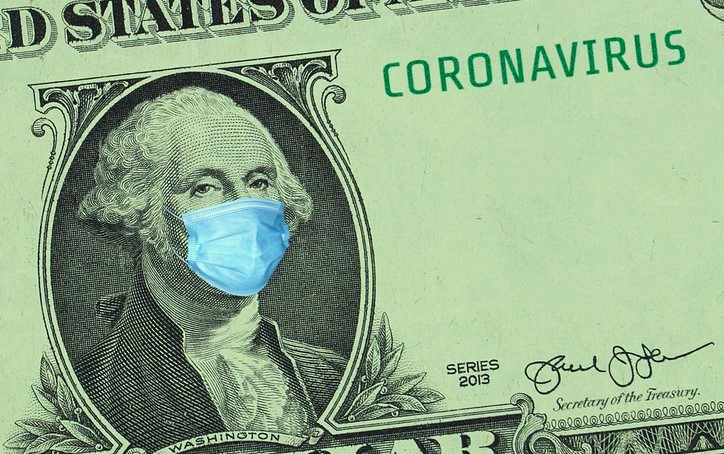
While the IRS appeals a federal court ruling on tax penalties collected during the COVID pandemic, filers who paid them need to go ahead and file for possible tax refunds by July 10.
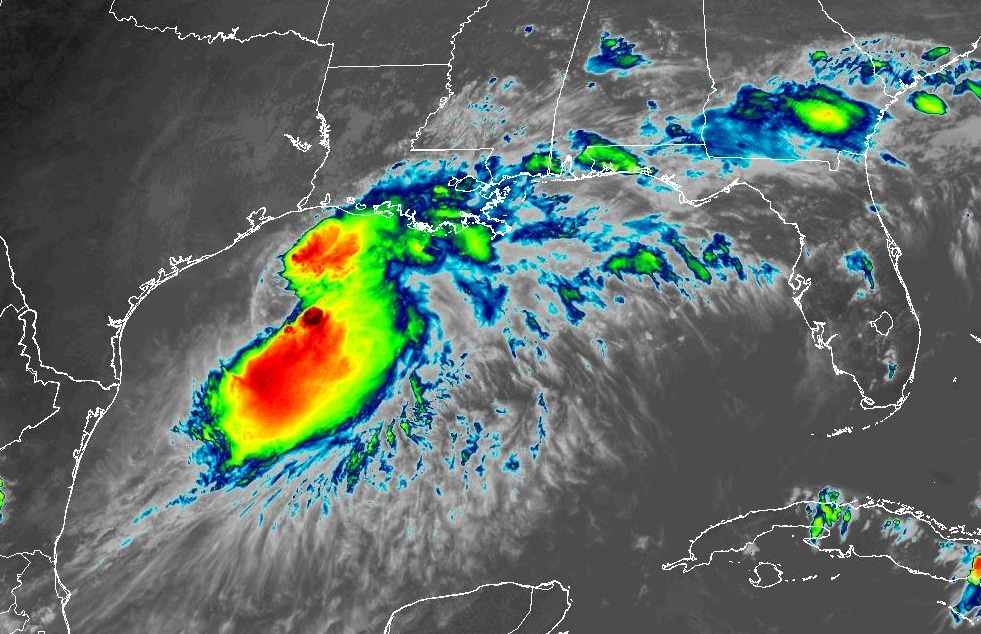
Tropical Storm Arthur as it moved toward the Texas cost on June 17. Its deadly landfall underscores the need to prepare for hurricanes and all natural disasters.

Definitely take a break this June. But taxes don’t take vacations. So, you also should make time for some tax tasks. Some will keep you out of tax trouble. Others could mean tax savings.
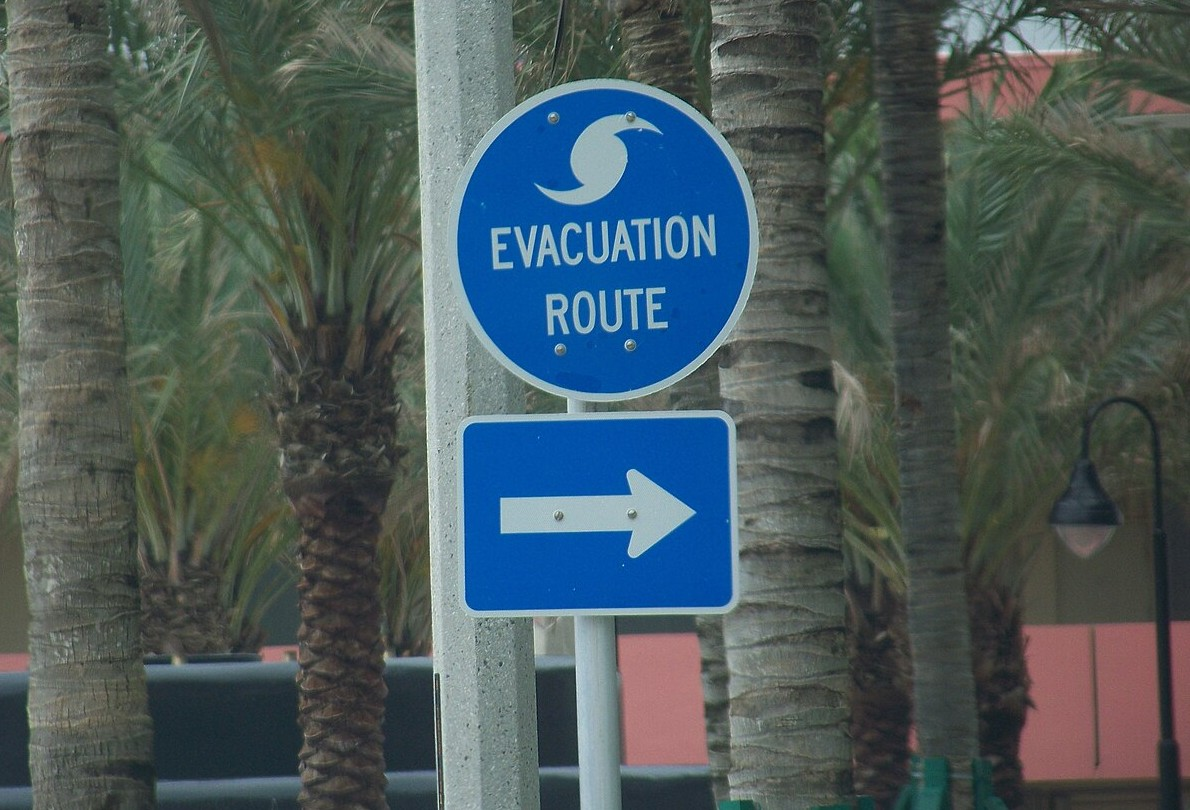
Hurricane damage is a constant threat to U.S. coastal communities during the annual June 1 through Nov. 30 tropical storm season. But as the storms move inland, landlocked areas also face risks. Get ready before one strikes, or even forms in the Atlantic or Gulf of Mexico.
COVID was a major disruption in many parts of our lives, including taxes. Many Americans paid IRS penalties or interest during the 3½-year pandemic period. Now a federal court says those charges weren’t valid, meaning taxpayers could get the money back if they file a claim by July 10.
Summer is the main tax holiday season, but Missouri and Texas are offering special early sales tax savings to their shoppers. Exemptions for Energy Star and emergency prep items are on the lists.

The annual April 15 federal tax return filing deadline doesn’t apply to all U.S. taxpayers. Tax Day is June 15 for taxpayers living and working abroad, including military personnel posted outside the United States or Puerto Rico. Residents of major natural disaster areas also get more time to file, and in some cases pay what they owe.

The longest-ever government shutdown mainly affected Department of Homeland Security agencies, including airport security check staff. As it appears to finally be winding down, Tax Day for affected federal workers is pushed from April 15 to May 15.

Residents of parts, and in some cases, all of these states dealt with real-life scares earlier this year. This post-Halloween weekend, they are facing a Nov. 3 disaster-delayed tax filing due date.
Getty Images for Unsplash+ …How ‘bout them Cowboys? As long-time readers know, I’m a life-long Dallas Cowboys fan. In fact, I’m old enough to have seen all five of their Super Bowl wins. So, I get to drag them when they deserve it, which is all too often nowadays. Fans of other NFL teams also pay attention to my team, albeit many to hate watch and hope they see a loss. They were among the millions who tuned into Thursday night’s Dallas-Philadelphia NFL 2025 season kickoff. In fact, the Cowboys vs. Eagles gridiron battle was on track to be the…
If you share the late writer Susan Sontag's travel philosophy, be prepared to pay tourist taxes. The fees, especially ones designated to help offset tourism adverse environmental effects, are spreading. Immigration continues to be a focus of the Trump administration. Its latest proposal is to require travelers from some countries to post bonds, ranging from $5,000 to $15,000, to obtain visas. The aim, says the White House, is to encourage visa compliance of visitors from countries that government data show tend to overstay their granted visit timeframes. The bond money would be returned if the traveler exits the country before…
Photo by Kelly Sikkema on Unsplash This summer has been marked by a surge of flooding, too often with tragic results, across the United States. The latest incident was deadly rain-induced flash flooding in New Jersey. That same system swamped parts of New York City’s subway system. Before that, we had the devastating July 4 Central Texas floods, as well as flooding in North Carolina. But it’s a monsoonal system from last month in central/south central New Mexico that’s now getting Uncle Sam’s official attention. Those storms, starting on June 23, dumped excessive rain, some of which fell along burn scars left by fires…
UPDATE, Thursday, July 24, 2025: Donald Trump today signed H.R. 517, the tax Filing Relief for Natural Disaster Victims Act into law. Photo by Chandler Cruttenden on Unsplash People who endure major natural disasters generally are eligible for a variety of federal relief. That includes the filing and paying of taxes whose deadlines were during the disaster period. The Federal Emergency Management Agency (FEMA) has improved its turnaround in such cases. After that, the IRS then announces its tax relief, including the later due dates. A bill that would speed up that process is awaiting Donald J. Trump’s signature. When that happens,…
Rescue and recovery efforts continue in the Kerrville, Texas, area, which was the hardest hit when the Guadalupe River flooded as the July 4 holiday period was beginning. (Photo by World Central Kitchen, whose volunteers were among the earliest responders, CC BY 4.0) Thousands of Texans are now dealing with the deadly, tragic flooding across the state. My regional backyard, the Hill Country, was the hardest hit. As of today, the catastrophic count from the July 4 flooding is at least 129 killed, and around 170 people missing. Obviously, no one even remotely affected by the disaster is thinking about…
Admit it. You never get anything done this month until after July’s fireworks. That’s especially true this year, with July 4 falling on Friday. Many of us are taking extra-long holiday breaks. Enjoy your Independence Day celebrations. And be safe, both in traveling to share the holiday with family friends and in the actual igniting of displays. But once the last mini bombs have burst in the air, leaving only the bottle rocket's red glare, it’s time to get to work. That includes taking a midyear tax checkup. A review now, with half a tax year left, can help you…
The National Hurricane Center’s image of Tropical Storm Andrea. The first named system of the 2025 Atlantic hurricane season formed in the central Atlantic Ocean, meaning it’s not a threat to make landfall. June 1, 2026 note: This post was published almost a year ago with a slightly different headline (Resources to deal with disasters, as 2025 hurricane season gets its first named storm), but its information is still valid. You can read the most recent version of hurricane preparation, both physical and financial/tax moves to make in advance of storms, in Hurricane 2026 preparation and tax tips. And…
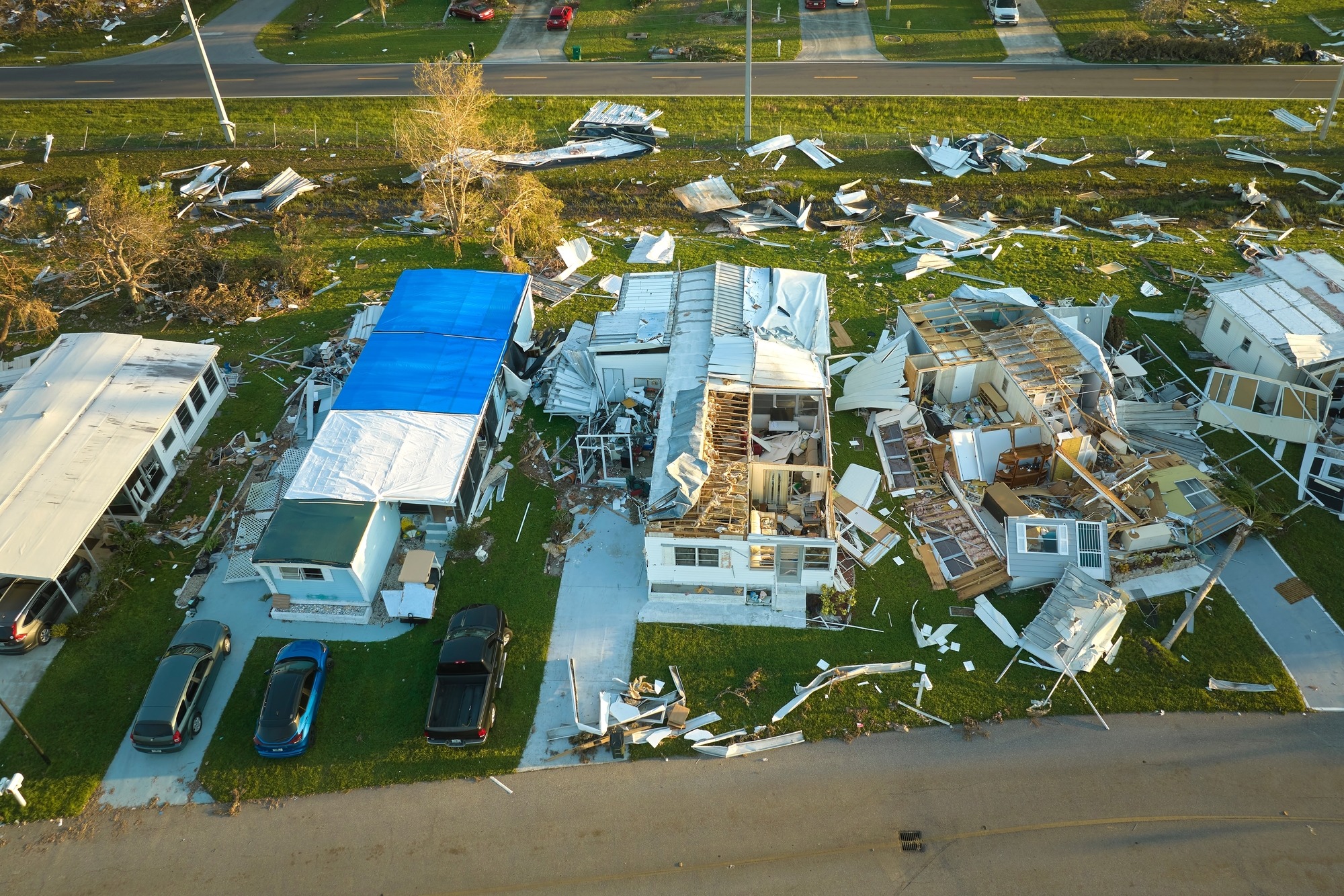
If the White House goes through with its plan to phase out the current federal disaster relief program, states will have to cover more costs of storm damages, like those in Keaton Beach, Florida, when Hurricane Helene made landfall there on Sept. 25, 2024. (Photo: Florida National Guard) Forecasters from both the federally-funded National Hurricane Center and private weather services predicted the 2025 hurricane season would be active. That might well happen since the tropical season that started June 1 runs through Nov. 30. But so far, we’re off to a quiet start. Fewer than forecast storms always are welcome.…
Forecasters from both the federally-funded National Hurricane Center and private weather services predicted the 2025 hurricane season would be active
Image by Tabea from Pixabay June is here. Summer officially arrives in a few weeks. Are you ready? Summer’s supposed to be the peak leisure season, but it takes some work. There are vacation plans to make. If you’ve got children, you’re probably ironing out day camp details. And, of course, you have made your June tax moves list, right? Oh, you don’t have taxes on your June to-do list? Sure, taking care of tax matters definitely isn’t the day at the beach you want. But some summer tax moves can help make next year’s filing easier, and potentially less…
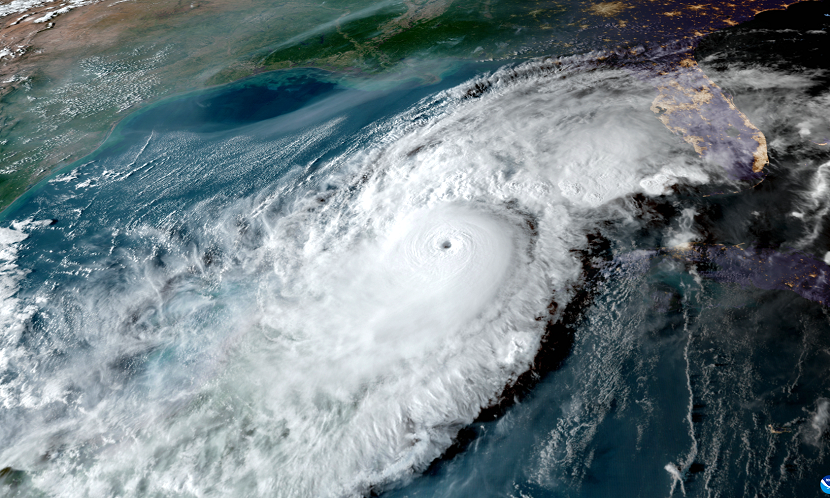
Hurricane damage is a constant threat to U.S. coastal communities. But as the storms move inland, landlocked areas also face threats. Get ready before one strikes, or even forms in the Atlantic or Gulf of Mexico.
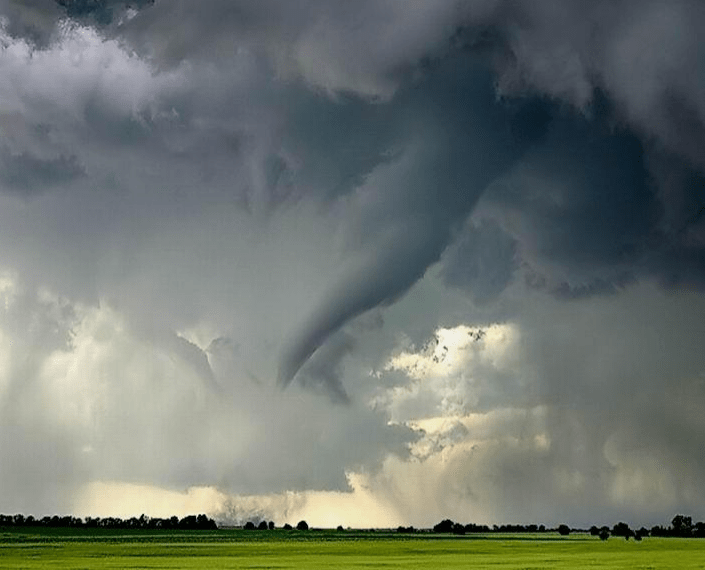
Instead of my usual weekend watching of sports, I’m glued to the Weather Channel. There’s a dangerous and already deadly tornado outbreak rumbling across the south this afternoon.
I’ll pay our home’s property tax next week, just before the Jan. 31 deadline. It’s an annual tax ritual followed, albeit with differing deadlines, by millions of real estate owners across the United States every year.
No place in the world is disaster proof. Mother Nature unleashes her horrors globally and year-round via hurricanes, tornadoes, wild fires, floods, blizzards and more. This special Natural Disasters Additional Resources Page, part of the overall Storm Warnings collection of Don’t Mess With Taxes blog posts about disasters and the associated tax implications, provides information beyond my posts (for example, from official government sources/resources) on the previous pages on how to cope with Mother Nature when she turns into Mommy Dearest. So, since time is of the essence when you’re looking for natural disaster data, here goes with some added links to…
No place in the world is disaster proof. Mother Nature unleashes her horrors globally and year-round via hurricanes, tornadoes, wild fires, floods, blizzards and more. This special Natural General Storm Warnings Page, part of the overall Storm Warnings collection of Don’t Mess With Taxes blog posts about disasters and the associated tax implications, offers some general posts on weather alerts and potential trouble when it looks like Mother Nature is about to turn into Mommy Dearest. So, since time is of the essence when a bad wind or rain or overflowing river or winter blizzard or whatever is approaching, here are some…
No place in the world is disaster proof. Mother Nature unleashes her horrors globally and year-round via hurricanes, tornadoes, wild fires, floods, blizzards and more. This special Natural Disasters Resource Page, part of the overall Storm Warnings collection of Don’t Mess With Taxes blog posts about disasters and the associated tax implications, offers suggestions and tax guidance on how you can help folks whose lives were been upended (or worse) when Mother Nature turned into Mommy Dearest. So, since time is of the essence when people are trying to put their lives back together after a natural disaster, here goes…
No place in the world is disaster proof. Mother Nature unleashes her horrors globally and year-round via hurricanes, tornadoes, wild fires, floods, blizzards and more. This special Natural Disasters Recovery Page, part of the overall Storm Warnings collection of Don’t Mess With Taxes blog posts about disasters and the associated tax implications, provides information on what you can do and where you can get help to recover as quickly as possible when Mother Nature turns into Mommy Dearest. So, since time is of the essence when you’re trying to get your life back after a natural disaster, here are some…
No place in the world is disaster proof. Mother Nature unleashes her horrors globally and year-round via hurricanes, tornadoes, wild fires, floods, blizzards and more. This special Natural Disasters Preparation Page, part of the overall Storm Warnings collection of Don’t Mess With Taxes blog posts about disasters and the associated tax implications, provides information on what you should do to get ready when Mother Nature is about to turn into Mommy Dearest. So, since time is of the essence when a natural disaster is bearing down on you, here goes with ways to get ready for the various catastrophes that…
No place in the world is disaster proof. Mother Nature unleashes her horrors globally and year-round via hurricanes, tornadoes, wild fires, floods, blizzards and more. These special Natural Disasters Resource Pages, which I’ve dubbed Storm Warnings, are the comprehensive collection of Don’t Mess With Taxes blog posts about disasters and the associated tax implications. As long-time blog readers know, I am a weather nut. I made that clear early in my blogging career. My second ever post back on Nov. 15, 2005, the one after unleashing introducing Don’t Mess With Taxes, was Stormy tax policy about, yes, hurricanes. My fascination…
President Joe Biden today signed into law H.R. 5863, the Federal Disaster Tax Relief Act of 2023, which provides tax relief with respect to certain federal major disasters.
This horrific hurricane season has had one bright light. People are helping people. To ensure your assistance goes to those in need, beware of these disaster scams red flags.

Residents whose lives are disrupted by a major disaster are targets. So are those who want to help. Either way, don’t become a victim.

The United States’ tornado season used to be in the spring, with most of them occurring in the middle of the country known as Tornado Alley.
Texans get a special sales tax holiday during spring storm season to help offset the costs of emergency supplies.
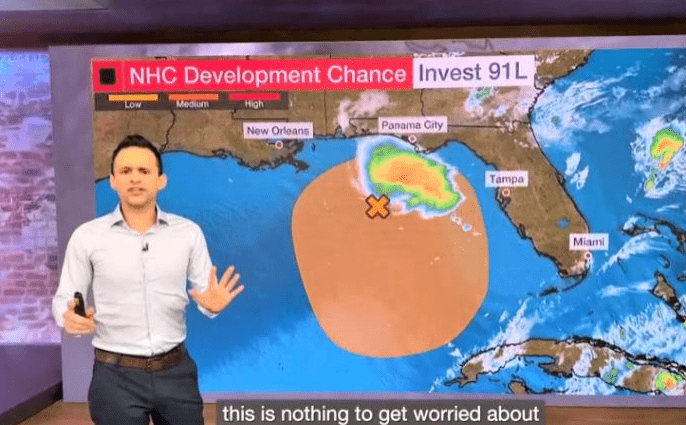
The United States tends to be the target of tropical systems that form in the Atlantic and Gulf of Mexico. But this week, California is in the path of Pacific-spawned Hurricane Hilary.
Tax Day comes four times a year for millions of taxpayers. We (yes, I’m one of them) must make these added payments to Uncle Sam. Here’s a look at these added tax tasks required on the 15th of each April, June, September, and January.

Winter can be beautiful. And harsh. Major winter storms also could cause property damage. If it’s a declared major disaster, you might be able to claim your losses on your tax return. Here’s how.
Mother Nature can turn deadly year-round. Tornadoes, hurricanes and even winter storms strike beyond their seasonal boundaries. Prepare beforehand, including by taking a pre-disaster inventory.
Spring storm season came early and with a vengeance to the southern United States last night. At least 25 people lost their lives when a tornado roared through the Nashville area early today.
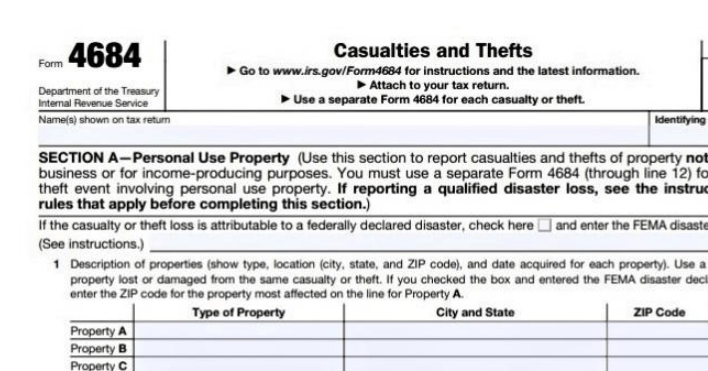
What’s worse than losing your home to a disaster? Having to pay taxes on the destroyed property. That’s what a Southwestern Pennsylvania family is dealing with now. After losing their home and all its contents to a fire last November, Rich and Catherine Hooks recently learned that they are responsible for the 2019 property taxes due on their no long in existence Westmoreland County home. “The taxes should be lower because the house isn’t there,” Mrs. Hooks told TribLive.com. But the county tax assessor didn’t know that. So the prior tax valuation stood. When a significant change occurs on a…

You’ve secured your house. You’ve got your go-bag ready if you have to evacuate. You’ve taken all the other steps to get ready for an impending natural disaster.

Maybe you didn’t think the hurricane’s flood waters would reach your neighborhood. Or maybe you just never kept copies, either paper or digital, of your financial and tax records.
…UPDATED, Monday, April 10, 2023: This year has gotten off to a terrible start as far as major natural disasters. Residents of several states have been impacted, with the Internal Revenue Service offering tax relief, including extended filing and payment deadlines. If you’re ever in a disaster area, be sure to take full advantage of tax and other federal government relief offered. Here are some of Uncle Sam’s resources beyond the IRS that can help you get your life back on track…. The U.S. and British Virgin Islands took a whacking today from Hurricane Dorian, which struck the Caribbean islands…
Some folks have been asking for clarification on disaster loss claims, specifically with regard to the value of a damaged or destroyed home. A Rockport, Texas, home severely damaged by Hurricane Harvey, which made its first landfall on Aug. 25 at the Gulf Coast town. (Photo courtesy National Weather Service, Corpus Christi, via Twitter) …At issue is how a home’s fair market value factors into a disaster tax claim. I’m sorry to report that a property’s high value — I’m talking for sale purposes, not just your personal appreciation and assessment of the house — won’t help you get more…
What the heck is up Mother Nature? I know we humans are an annoying bunch, but do you really have to keep whacking us? In less than 24 hours, strong earthquakes have rattled the East Coast and the Rocky Mountains region. The 5.3 temblor that shook Colorado Monday night was the strongest recorded there in more than a century. It also was felt by residents of Kansas and New Mexico. Then this afternoon, a 5.9 quake centered in Virginia prompted evacuation of buildings in the nation’s capital and shook folks from North Carolina to New Hampshire. It was the strongest…
During this string of hot and dry spring days, it’s hard to image that 25 years ago today, Austin suffered a deadly flood. Austin’s Memorial Day Flood of May 24, 1981, killed 13 people, destroyed 600 homes, flooded dozens of businesses and left $36 million in damages in its wake. The picture below shows damage done to a car dealership along Shoal Creek. Flood photograph courtesy of Austin Public Library and Austin History Center. …The power of water has always captivated me. Much of the fascination is because I grew up in desert West Texas, where not a stream was…
As I type, the 27th tropical system of the year is meandering south of Puerto Rico. Twenty-seven … an amazing, terrifying, distressing number, and one that makes me feel a bit guilty. This time last year, my husband and I, along with family and friends in Florida, were still dealing with the aftermath of the one-two punch of Frances and Jeanne. Two ’canes three weeks apart. They were two of four major hurricanes to strike the Sunshine State that year, and why we moved back home to Texas. Living in hurricane country means learning a new acronym vocabulary (ERC, SAL,…
Blog Posts
The More Tax Posts tab at the top of this page will take you to, well, more tax posts. You also can search below for a tax topic.

October 8, 2026
Reconciling expenses is a challenge for many senior citizens. Some on original Medicare are getting…
We made it. Tax Day 2025 is finally over. For most of us. When the filing season started on Jan. 26, millions who were expecting refunds filed immediately. Most of us got our returns to the Internal Revenue Service by April 15. But plenty of taxpayers also got extensions. They are looking at an Oct. 15 filing deadline.
Those procrastinating filers aren’t a problem. In fact, the IRS appreciates taxpayers who take time to fill out their 1040 forms correctly. It also is grateful that tax submissions are spread out a bit, especially now that the IRS is a leaner agency. Processing returns is easier when they arrive throughout the year instead of in massive bunches.
But enough about Uncle Sam’s tax collection issues. The focus now is on all y’all who filed for extensions, giving you another six months to complete your return. Since your new mid-October due date will be here before you know it, let’s get started now on meeting it.
The ol’ blog is here to help you finish up your extended Form 1040. You can start with January’s tax tips page, which has links to the rest of the year’s tips by-month collections. You also can peruse various tax categories for more tailored advice by clicking on the More Tax Posts drop-down menu at the top of this (and every) page.
And to make sure you don’t miss your new filing deadline, the count-down clock below will let you know just how much time you to file by Oct. 15. At the latest.e. (Note: I’m in the Central Time Zone, so adjust accordingly for where you live.)