


Getty Images for Unsplash+
…
How ‘bout them Cowboys? As long-time readers know, I’m a life-long Dallas Cowboys fan. In fact, I’m old enough to have seen all five of their Super Bowl wins.
So, I get to drag them when they deserve it, which is all too often nowadays. Fans of other NFL teams also pay attention to my team, albeit many to hate watch and hope they see a loss.
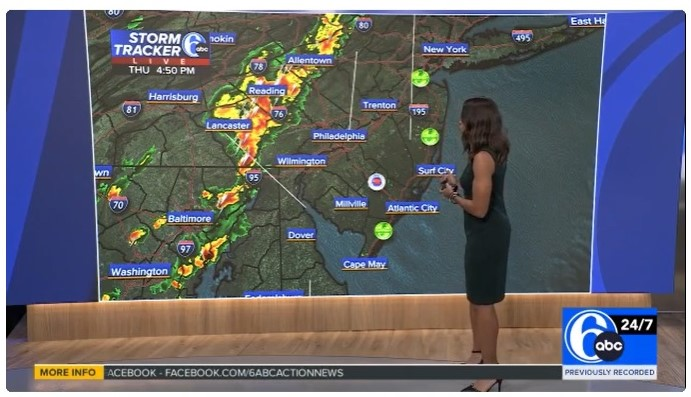
They were among the millions who tuned into Thursday night’s Dallas-Philadelphia NFL 2025 season kickoff. In fact, the Cowboys vs. Eagles gridiron battle was on track to be the highest-rated NFL kickoff game in history…until that storm barreled into the City of Brotherly Love.
The inclement weather delay dinged the final viewership tally. NBC Sports reported that the Dallas-Philly game averaged 28.3 million viewers, keeping it from possibly overtaking the record 29.2 million who watched last year’s Baltimore Ravens-Kansas City Chiefs season opener.
Preparing for all types of stormy weather: The line of storms that raked much of eastern Pennsylvania was just your usual line of thunderstorms.
Action News 6, Philadelphia ABC
…
That doesn’t mean they weren’t serious, but last week’s bad weather is the kind all of us across the whole country have at some point encountered. Still, we need to be prepared for them, whether we’re at a sporting event or home.
Residents along the U.S. Atlantic and Gulf of Mexico coasts also need to get ready now for hurricanes. The 2025 tropical storm season has been relatively tame, but historically September is the season’s most active month.
So, if you haven’t already, get ready for potential tropical storms and hurricanes. Heck, even storm remnants or simple tropical depressions can produce use enough rain to create horrendous flooding. And they can move well inland. So get ready for it all!
My post just before the hurricane season officially began on June 1 has some storm preparation tips. They also work if you live far from any coastline and your dealings with a mean Mother Nature mean you face fires, tornadoes, or in colder seasons, blizzards.
The Internal Revenue Service also this week urged individuals and businesses to create or update their emergency preparedness plans as we head into peak hurricane season.
The tax agency tips for individuals include safeguarding important records, taking inventory of property and assets, and reconstructing records if needed.
As for businesses, employers should confirm their payroll service providers have a fiduciary bond for added protection. The IRS also reminds business owners that they can create an Electronic Federal Tax Payment System (EFTPS) account to make secure, trackable online or phone payments, an option that could come in handy if they are displaced during a disaster.
Storm loss tax deduction: Finally, individual and business taxpayers alike should remember that tax relief is available in the case of major natural disasters.
This typically includes delayed filing deadlines for tax returns, and often the associated payments.
In addition, disaster affected taxpayers can claim uninsured disaster losses as a tax deduction. IRS Publication 547, Casualties, Disasters, and Thefts, has details. So does my post on considerations in making a major disaster tax claim.
I hope you’re able to avoid any disasters. I also wish your NFL team well, as long as it’s not playing my Cowboys. 😉
You also might find these items of interest:
- Bill to allow automatic IRS tax filing extensions in disasters is now law
- A pre-disaster inventory can pay off when filing insurance or tax claims
- Resources to deal with disasters, as 2025 hurricane season gets its first named storm
