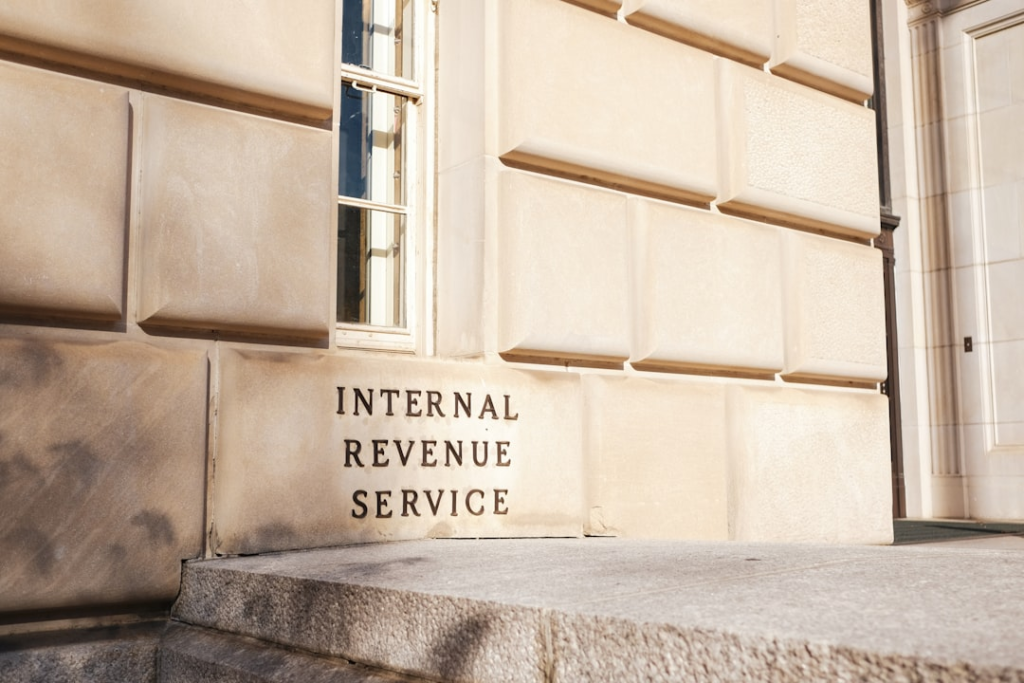
If you get $500 from Uncle Sam in the next week or so, don't freak out. It's real if you used one of the Internal Revenue Service's online coronavirus registration tools and didn't originally get all the relief you were due.
The tax agency is sending the money to those who previously were denied the $500 per child economic impact payment (EIP) amount created by the Coronavirus Aid, Relief and Economic Security (CARES) Act.
The problem with the shorted amount wasn't with these individuals' or their minor children's' eligibility.
It was due to a glitch in the IRS system set up to deliver the payments and the timing of when they made requests for the stimulus money.
Problem with non-filers solution: The original stimulus payouts of $1,200 per taxpayer were based on a person's 2019 or 2018 tax year federal income tax returns. Where filers claimed dependents, children younger than 17 usually meant an additional $500.
Since some eligible EIP recipients weren't required to file returns for either tax year, in early April the IRS established an online non-filers tool that allowed these individuals to register for the payments.
Sometimes, though, good intentions go awry, especially when you're trying to get things done in a hurry. That happened for some folks who had legitimate minor dependents and who used the IRS' non-filer tool.
Early EIP request issues: The IRS says that eligible individuals who used the non-filer tool before May 17 and claimed at least one qualifying child did not receive the qualifying child portion.
The reason was an error in the system that was corrected on that May date.
So now the IRS is sending out the appropriate $500 dependent payments to those who used the online registration tool before May 17.
Usual delivery methods: The corrected amount of dependent EIP money will be delivered as direct deposit to those who included that information when they used the non-filer online option.
The IRS started depositing those payments on Aug. 5, so in most instances, that money should have showed up in bank accounts by now.
If you are due an extra $500 (or more, depending on the number of qualifying children) and don't have a bank account, the IRS is sending your EIP via the U.S. Postal Service as a paper check or a debit card.
Checks and cards were scheduled to go out on Friday, Aug. 7, so look for them to show up in your snail mail box this week.
Payment follow-up, record keeping: Regardless of how this corrected dependent payment amount is issued, recipients also will get another mailed notice letting them know the additional $500 EIP was issued.
As with the original letter from the White House, it's an official tax document that you should keep with your other tax records.
And if you were due this previously-denied dependent EIP and haven't or don't soon receive it, you can use the IRS' Get My Payment online search to check its status.
You also might find these items of interest:
- 6 ways to know your COVID-19 check is real
- White House stimulus letter is an official IRS tax document you need to save
- Still waiting for your COVID payment? IRS has answers on what to do to get or track your money
| Coronavirus Caveat & More Information In 2020, we're all dealing with extraordinary circumstances, both in our daily lives and when it comes to our taxes. The COVID-19 pandemic and efforts to reduce its transmission and protect ourselves and our families means that, for the most part, we're focusing on just getting through these trying days. But life as we knew it before the coronavirus will return, along with our mundane tax matters. Here's hoping that happens soon! In the meantime, you can find more on the virus and its effects on our taxes by clicking Coronavirus (COVID-19) and Taxes. |
Advertisements