Business meals are covered by per diem rates.
Business travel entails a variety of expenses. In addition to the costs of getting to your work-related destination, you've got to pay for a place to stay, a rental car if you flew there, meals and incidentals.
When you hit the road as an employee, your boss has a couple of options when it comes to reimbursing you. You can collect all your business travel receipts and turn them in with an expense report. Or the company can provide you with a set-per-diem amount.
Per diem, from Latin for by day, is a daily allowance for specific travel expenses. The per diem guidelines originally were designed for federal employees. However, it's also used by private employers who want to provide employees with a daily travel budget.
The per diem amount does not cover the transportation to an out-of-town business destination.
It does cover lodging, along with meals and incidentals once the employee arrives at the business locale.
Per diem rates get updated every year.
The rates change as costs rise. And since travel expenses vary widely from one city to another, per diem rates are based on the geographic area to which employees travel.
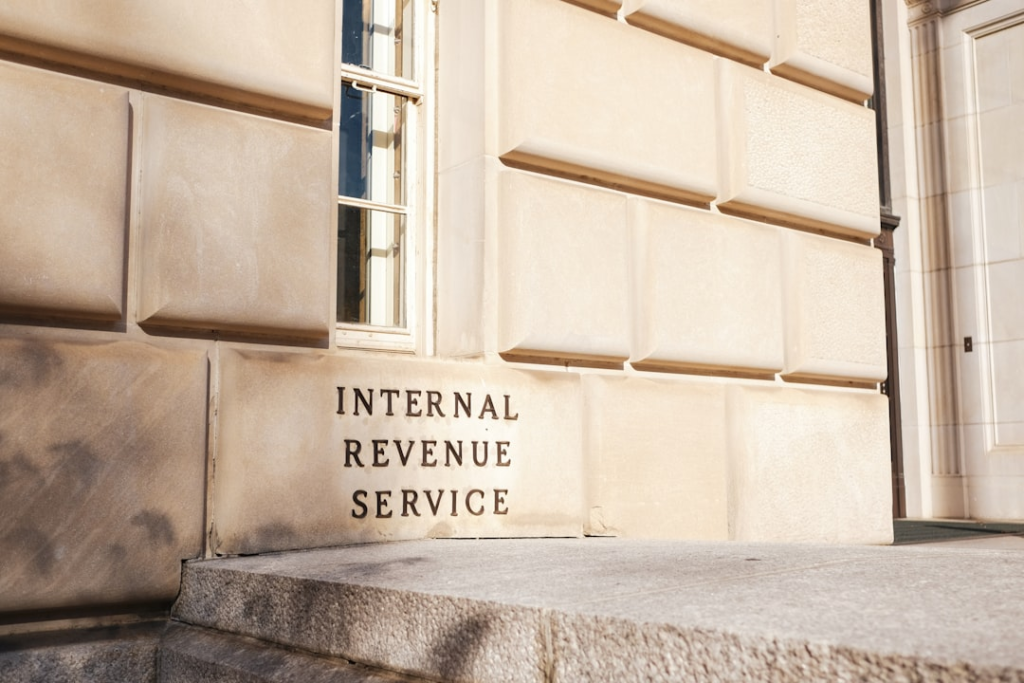
All those variables have been taken into account and are now part of the updated per diem rates that the Internal Revenue Service has issued, via Notice 2019-55, for employee travel expenses starting today, Oct. 1, 2019, and in effect until Sept. 30, 2020.
Per diem deviations: As you might expect, any time Uncle Sam is involved, things can get, well, involved.
The per diem rates include three components —
1. Special transportation industry meal and incidental expenses (M&IE)
The special M&IE rates for taxpayers in the transportation industry are $66 for any locality of travel in the continental United States and $71 for any locality of travel outside the contiguous United States. That's the same as the nominal increase made last year.
A quick side note about just who is responsible for the rates. While the IRS announced them, the per diem rates for locations in the lower 48 states are established by the General Services Administration (GSA). The State Department sets the foreign rates (for example, Canada, Spain, Japan). The Department of Defense (DOD) establishes non-foreign rates, including those for Alaska, Hawaii and all U.S. territories.
2. Incidental expenses only
This rate covers fees and tips given to porters, baggage carriers, hotel staff and staff on ships, both inside and outside the United States. It remains at $5 per day.
3. High-cost cities and locations
When business travel takes an employee to a more expensive destination, the per diem rates are slightly higher than last year's amounts. Beginning today, they are $297 for travel to any high-cost locality and $200 for travel to any other locality within the continental United States.
The amount of both the high and low rates that is treated as paid for meals is $71 for travel to any high-cost locality and $60 for travel to any other location within the continental U.S.
Location changes from last year: The IRS per diem notice also lists localities that have a federal per diem rate of $248 or more and are high-cost localities for all of the calendar year or the portion of the calendar year specified in the notice.
And, as expected, some of high-cost locations have changed from those included last year.
For your business travel budgeting purposes, the IRS notice says the following locations are now on the high-cost list.
- California: Mill Valley, San Rafael and Novato
- Colorado: Crested Butte and Gunnison
- Michigan: Petoskey
- Montana: Big Sky, West Yellowstone and Gardiner
- New Mexico: Carlsbad
- Tennessee: Nashville
- Texas: Midland and Odessa
In addition, the following localities have changed the portion of the year in which they are high-cost localities.
- Napa and Santa Barbara, California
- Denver and Vail, Colorado
- Key West, Florida
- Jekyll Island and Brunswick, Georgia
- New York City, New York
- Portland, Oregon
- Philadelphia, Pennsylvania
- Pecos, Texas
- Vancouver, Washington
- Jackson and Pinedale, Wyoming.
- Washington D.C.
And Los Angeles and San Diego, California; Duluth, Minnesota; Moab, Utah; and Virginia Beach, Virginia, have been removed from the list of high-cost localities. Try to convince my cousin living in L.A. of this change!
Checking the rates: You read more about per diem rates in IRS Publication 463.
You also can use the GSA's per diem online search tool.
The reason these rates matter is because reimbursements to employees in excess of the allowable per diem count as taxable income to the employees.
And for all my self-employed readers who are making business trips and freaking a bit because their expenses are higher, no worries. These rates do not apply to your travel.
You can still deduct business-related expenses on your corporate tax return or, if you're a sole proprietor, on your Schedule C or C-EZ. Just be sure to keep very good records and all your appropriately annotated receipts.
You also might find these items of interest:
- Deducting ordinary and necessary business expenses
- The importance of good, and separate, business records
- Employee or contractor? The IRS has some guidelines on when each work status applies
Advertisements