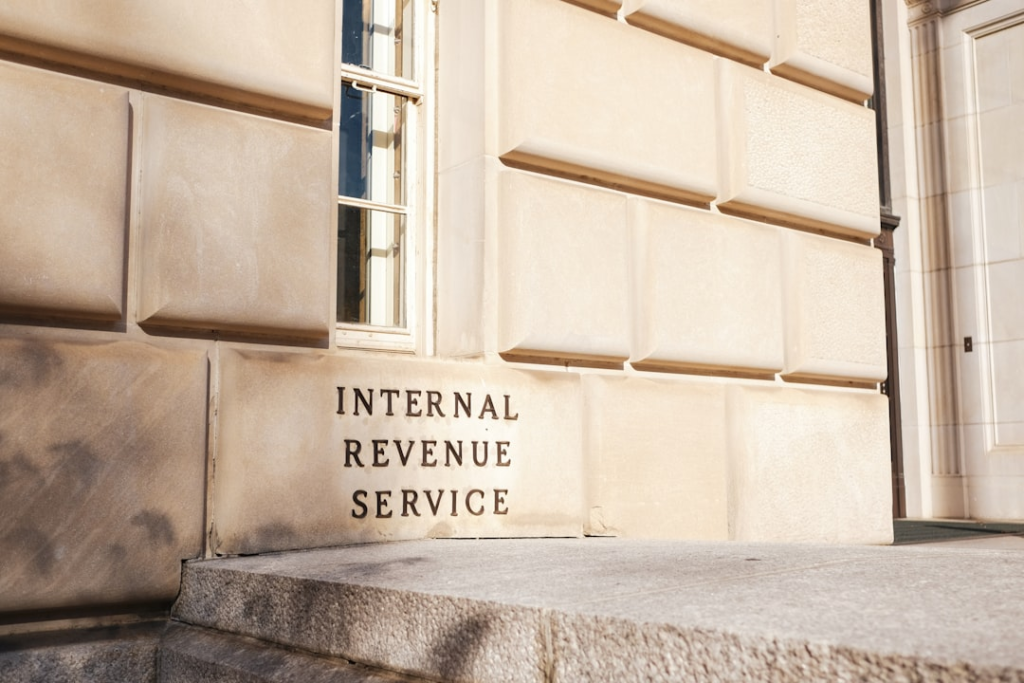
It's no secret that Americans like their tax refunds. The Internal Revenue Service for years has reported that most filers get at least some money back at tax-filing time.
That refund data has fueled another annual debate. How to get people to adjust their withholding so that they get use of their money throughout the year in paychecks instead of having to wait for it in the form or a tax refund.
As a tax journalist, I get — and have repeatedly made in various overwithholding posts — the argument that it's wiser to be in control of your cash rather than giving the Bank of Uncle Sam an interest free loan for more than a year.
Earlier this year, I talked with theNewsworthy podcast — that's it embedded below; my segment starts at about the 8-minute mark — about intentional overwithholding and ways to break that tax habit.
Fighting bad financial tendencies: I admit it, I'm blessed by being disciplined in the handling of my money. I know lots of others are not.
If fact, some of them are my loved ones. I've watched them, despite my advice and urging, become poster children for letting money figuratively (and musically) burn holes in their pockets.
For folks who share that same free spending proclivity, I've always suggested they open a savings account — Related hint: Check out a local credit union, as they tend to offer no or less-costly terms. — and have the amount that was going to the IRS as extra withholding instead sent as an automatic payroll deduction to their new personal account.
That way, you don't get the cash in your pay, so you're not tempted to spend it.
But since it's now in a savings account, you can access it in case of an emergency, such as unexpected auto repairs or your child breaks an arm and you've not yet met your insurance's deductible.
Savings instead of withholding options: I'm not the only tax geek thinking about this. So is Howard Gleckman.
Gleckman, however, is more than a mere tax geek. He's Senior Fellow at the Tax Policy Center (TPC), a joint venture of the Urban Institute and Brookings Institution.
And his examination over at TPC's blog TaxVox on ways to turn tax refunds into savings earns this weekend's Saturday Shout Out.
He notes the obvious, that getting a tax refund check every spring certain feels better than writing a check to the U.S. Treasury. That's why one study found 80 percent of low- and moderate-income tax filers, many of whom don't have bank accounts, explicitly said they considered overwithholding a savings tool.
Gleckman looks at some past and current proposals designed to encourage workers to put aside some of their paychecks.
I'll let you check out his post at your leisure for details, but here are a couple of spoilers to whet your tax reading appetite.
One option would level the current withholding playing field on which underwithheld taxpayers now pay interest on their shortfalls, but overwithheld filers don't get any on their excess.
Another incorporates a lottery, something folks like almost as much as getting an that annual tax refund check.
The bottom line, for both the refund-loving filers and our economy, is that, as Gleckman notes, we must acknowledge that people want their annual tax checks and find a way to get them to save at least a fraction of what they get back from the IRS.
Do you usually get a refund? Is it because you intentionally overwithhold? Have you tried adjusting your withholding and handling that money — for example, paying down high-interest debt or saving some of it — in smaller increments throughout the year?
You also might find these items of interest:
- What to do if your tax refund is wrong
- IRS issues new W-4 for 2019 tax year withholding
- IRS offers tax penalty relief to some who didn't have enough withheld
Advertisements