

It's another Mother's Day and for the last few years, my mom and I have lived close enough so that we've been able to spend it together. I'm about to head over to her place for the day.
My mother has taught me many things, including that being a mom is a tough job. That's one of the reasons I opted out. She definitely raised a smart daughter!
Not that mom complained. She desperately wanted kids and my brother and I were always very aware of the depth of her love.
Child-related costs: But it takes more than parental devotion to get kids from infancy to adulthood. It takes lots of money.
The U.S. Department of Agriculture's latest Cost of Raising a Child report says that parents of a child born in 2012 will spend $241,080 for food, shelter and other necessities over the kiddo's next 17 years.
That translates to about $301,970 when adjusted for inflation. And it doesn't factor in boomerang kid costs!
Child-related tax breaks: Some financial help for families comes from dear old Uncle Sam.
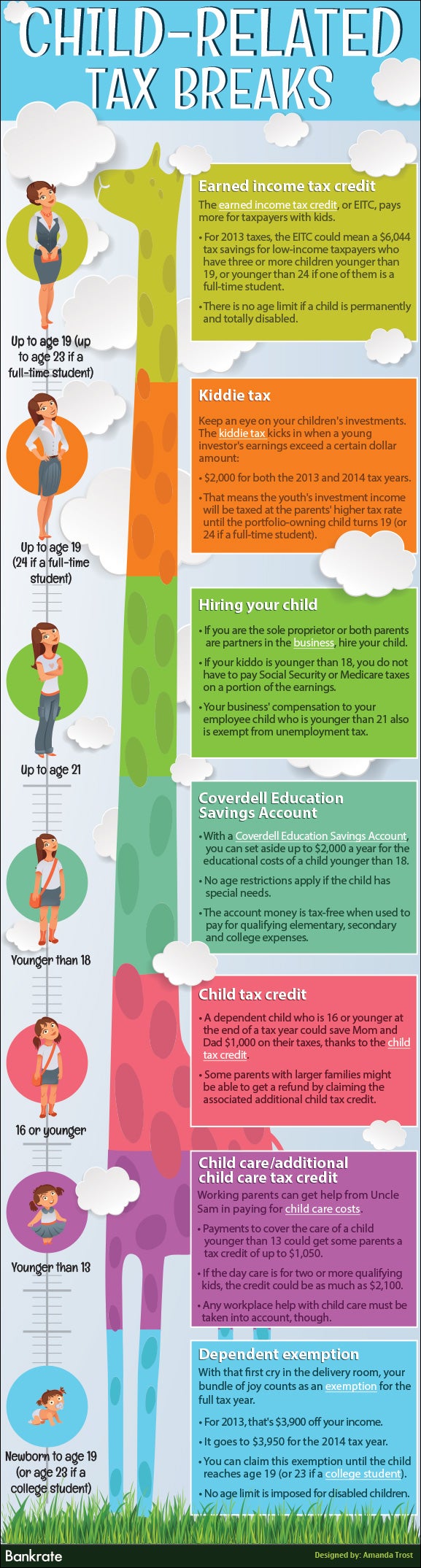
In fact, parents tend to get some pretty nice tax breaks. This infographic highlights the major ones.
Kids grow up so quickly. That's why parents keep track of their progress with those colorful wall charts. But in addition to noting the ever-escalating inches, moms and dads need to pay attention to their children's ages. Just how old Janie and Jimmy are affects tax benefits that parents can claim. This tax growth chart can help you trace the tax breaks that depend on a child's age.
Some folks think these exemptions and deductions and credits are way too generous.
Others think moms and dads need even more tax help.
A few even go so far as to argue that we child-free folks should pay more taxes!
Don't laugh. It's happened before. When Romania was under communist rule, the country levied a tax on all the individuals who were still childless by the age of 25.
The fact is that almost every country uses its tax code to reward or punish actions that [most of] its residents deem acceptable or undesirable.
The big question is should they?
Since cultural mores and political principles change, some more quickly than others, chances are that a variety of tax measures will come and go benefiting or punishing actions and situations over the years.
But I suspect that the tendency to cut families more tax slack will always be around.
You also might find these items of interest:

Jill
My gramma thought it was wrong that there are adoption credits – afterall parents that have children naturally don’t get a credit just for giving birth. But I calmly pointed out that when one adopts a child, that’s one less child needing public assistance (from her tax dollars). That quieted her up!
And, of course, working in public education we always hear from seniors and retirees who don’t like that their tax dollars pay for public education. (Nevermind that someone ELSE’S tax dollars paid for THEIR public education back in the day….Sheesh).
Everyone’s got an opinion…