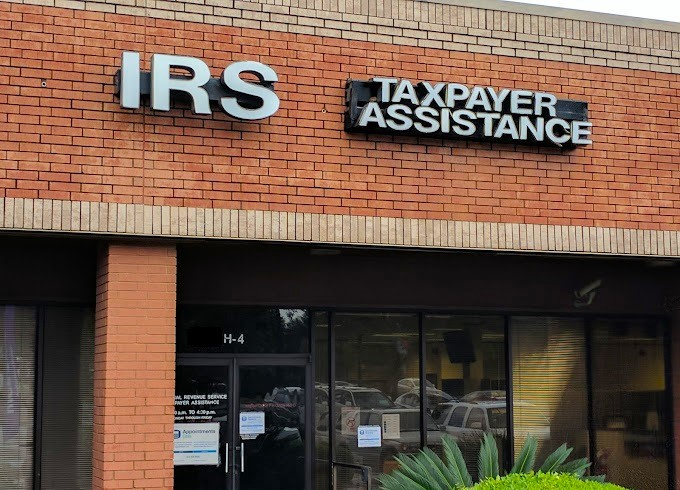
You can bet the IRS is as glad about that as
But if this year’s processing of previously filed returns is any indication, working through this last batch should go smoothly.
In a report issued just before the Oct. 15 final filing deadline, the Treasury Inspector General for Tax Administration (TIGTA) said "the 2007 tax filing season was generally successful, and most returns were timely and accurately processed." That phrase, in fact, is the official title of the report. (Hey, they get paid to investigate the tax system, not come up with catchy report names!)
"The 2007 Filing Season was demanding for the IRS," wrote Michael R. Phillips, TIGTA’s Deputy Inspector General for Audit. There was the new telephone excise tax refund and split refund option to deal with.
And, of course, Congress didn’t make life any easier for us taxpayers or the IRS by waiting so long to approve some popular tax breaks (aka extenders, blogged about here). That delay meant that paper forms went to press before the deductions were official and we all had to work around that inconvenience.
Despite all that, TIGTA found "the IRS generally had a successful 2007 Filing Season. Most key tax law changes were correctly implemented, and the IRS timely processed returns and issued refunds … ."
E-filing growth: The agency’s job was helped by filers who continued to flock to e-filing. At the time the report was prepared, electronically filed returns had increased almost 9 percent, with the largest increase from taxpayers who e-filed from their home computers.

You can find the latest filing stats in the right-hand column of Don’t Mess With Taxes‘ main page; the section titled "by the numbers." Since e-filing was still available to filers through
Refunds amounts will change, too, as some folks who waited until the last minute to get their paperwork in actually will get money back. It’s true; I personally know a guy who’s getting a refund but waiting 10 months to claim it! If you’re like my friend, you this previous blog item will tell you how to track your refund status.
Some problem areas: TIGTA did find, however, a few areas where "taxpayers did not take full advantage of the benefits the tax law … or improperly claimed benefits to which they were not entitled." They include:
- Millions of taxpayers did not claim the Telephone Excise Tax Refund.
- Taxpayers made only limited use of the Split Refund option.
- Some taxpayers improperly claimed additional exemptions for housing Hurricane Katrina displaced individuals.
- Taxpayers older than age 70½ continued to claim improper Individual Retirement Arrangement (IRA) deductions.
- Many eligible taxpayers missed the opportunity to claim the sales tax deduction.
- Taxpayers continued to claim a "dual benefit" for both the tuition and fees deduction and the Education Credit.
Recommended changes: The tax inspector’s office had just a few recommendations so that future filing seasons will be even better.
TIGTA would like to see the IRS make clear in tax instructions that taxpayers over age 70½ cannot
take the individual retirement account deduction; make clear that some
taxpayers are eligible for the sales tax deduction; and make sure that
the new Form 8917, for the tuition and fees deduction, is finalized
prior to the start of the 2008 filing season.
You can read the full assessment of the 2007 filing season here.
What’s coming up: It’s a good thing the agency is doing a decent job now because things are only going to get busier. That’s the prediction of the IRS’ Statistics of Income Division.

That group has released IRS Document 6292, which has multi-year projections of the number of tax returns it expects, by fiscal filing year, through 2014. Analysts looked approximately 50 different individual, business and
tax-exempt return types such as Form 1040, Form 1120, Form 941 and Form
990. There is also additional detail by the filing mechanism (paper versus
electronic) and by IRS business operating division categorizations.
The IRS projects the following increases from FY2006 to in FY2014:
- Total Returns: Up 14.1% (229,635,914 to 262,040,300)
- Individual Income Tax Returns
(Form 1040): Up 8.8% (133,917,060 to 145,245,300) - Partnership Returns (Form 1065):
Up 49.4% (2,773,327 to 4,144,200) - Corporate Returns (Form 1120): Up 20.6% (6,255,113 to 7,541,900)
- Exempt Organization Returns (Form 990): Up 81.6% (829,174 to 1,505,600
My tired eyes thank TaxProf for scrutinizing the tiny type of the spreadsheets in Document 6292 and coming up with those numbers listed above. If you want to double check the data yourself, here’s the link.