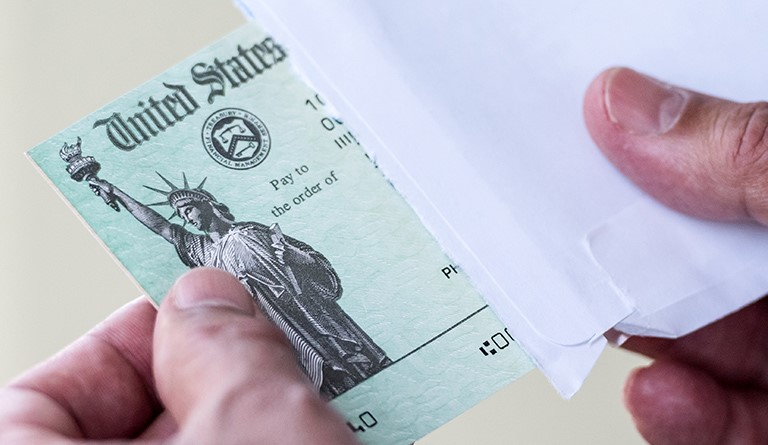
In a tough economy, many folks turn to bartering. The system works well for many payors, sellers and tax collectors.
Yep, tax collectors.
The United Kingdom's Acceptance in Lieu program lets its taxpayers settle their tax bills with art instead of cash.
The art-for-tax program is administered by the Museums, Libraries and
Archives Council on behalf of the British government. Citizens who
owe inheritance tax can donate items deemed to be of historical or
artistic importance.
Last year, the U.K. revenue office accepted almost $30 million in artwork
through the program.
The latest instance is a British citizen who paid his $265,000 inheritance tax bill with a bronze Edgar Degas statue.
The Degas statue, Dancer Looking at the Sole of Her Right Foot, will be added to the Courtauld Gallery's collection of French 19th-century
paintings, drawings and sculptures.
What a neat arrangement for both the country's revenue office and art lovers. Tax bills get settled and fine art becomes more accessible to everyone else.
Tax deductions, not tax payments: Here across the pond, the IRS has procedures in place to deal with art and taxes. In most of these cases, though, U.S. taxpayers are looking for deductions in connection with their gifts of art to qualified charitable organizations.
U.S. taxpayers can donate works of art to a nonprofit and, as with other noncash charitable gifts, deduct the fair market value of the contribution.
However, when it's a really valuable piece, the IRS wants someone with a bit more art expertise to be involved in the valuation process.
If you claim an art-related charity deduction of $5,000 or more, you need to have your deduction confirmed by a written appraisal from a qualified and reputable source.
For gifts of art valued at $20,000 or more, you must attach a complete copy of the signed appraisal to your return.
Also get your camera out. With gifts of this size (including antiques as well as your standard artworks), the IRS can ask that you provide color photograph of the donated item.
If you donate an item of art that has been appraised at $50,000 or more, you can request a Statement of Value for that item from the IRS. This should help your tax return move more smoothly through the filing process. It does, however, have an upfront cost.
An IRS valuation request will cost you $2,500 (check or money order) for up to three items of art. If you have more than three pieces, add another $250 for each additional item.
Bartering income: Finally, don't forget that value of goods also is important when bartering is used in business situations.
The value of noncash items you get in exchange for your goods or services must be determined and then that amount is counted as income on your tax return.
Bartering is common enough that the IRS has even created a special bartering section on its Web site.
The bottom line is that barter income is the same for tax purposes as cash payments. That means the IRS is going to be a part of these transactions.
Related posts:
- File Schedule M, or not, and other tax-filing mistakes not to make
- Are you ready to file your taxes?
- 7 new laws that could save you money
- New forms this filing season
Want to tell your friends about this blog post? Click the Tweet This or Digg This buttons below or use the Share This icon to spread the word via e-mail, Facebook and other popular applications. Thanks!