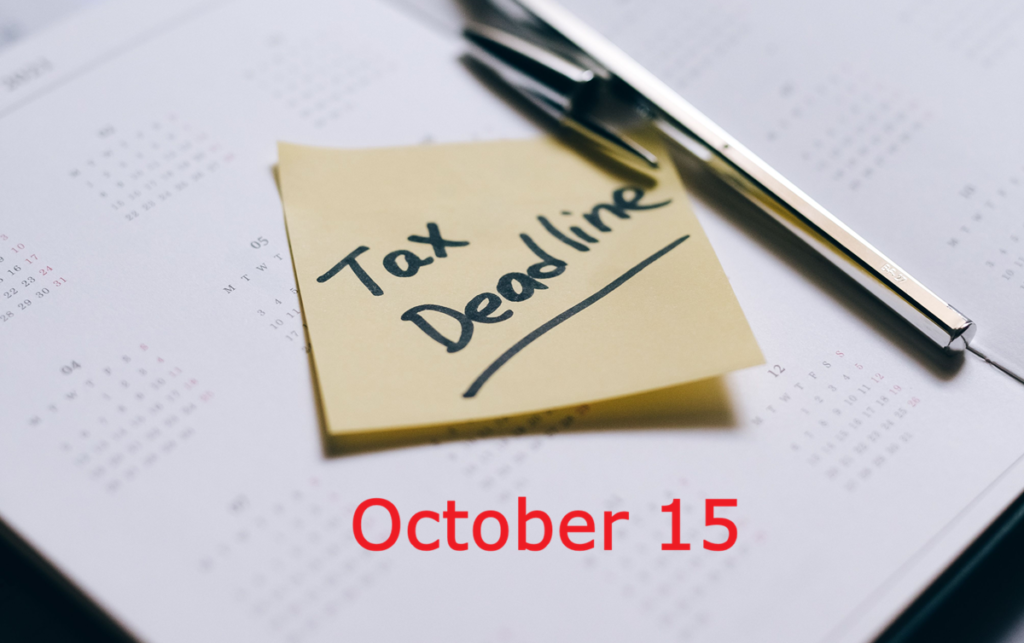
July truly is April this year, at least as far as my personal budget.
Some of our insurance payments are quarterly. That means every April, we have to come up with that money, as well as cash to cover the first quarter of our estimated taxes.
The Internal Revenue Service's calendar when it comes to its second quarter estimated tax payment doesn't strictly follow the Gregorian calendar. Uncle Sam's tax collector wants the tax year's second Form 1040-ES and payment in June. My main estimated tax explainer discusses the timing of these payments, but below is a quick look from that post at all the due dates.
|
Payment # |
Due Date |
For income received |
|
1 |
April 15 |
Jan. 1 through March 31 |
|
2 |
June 15 |
April 1 through May 31 |
|
3 |
Sept. 15 |
June 1 through Aug. 31 |
|
4 |
Jan. 15 of the next year |
Sept. 1 through Dec. 31 |
|
|
|
|
Bunched bills and taxes: Usually, the June 1040-ES payment is not an issue, since it comes before our due-in-July quarterly bills. That gives the hubby and me a bit of a cashflow budget break.
2020, however, took that brief payment spread away. When the IRS shifted the due date for both of this tax year's first and second quarter estimated tax payments to July 15, which everyone knows by now is the same day as regular annual tax returns are due, we're getting slammed fiscally this month.
Yes, readers doing the calculations, you're right. We didn't have to pay in April, so we got a break back then. And yes, we knew this was coming, so it's not like we had to scramble to pay. The second quarter is just shifted by 30 days.
However, I so hate looking at my July budget sheet and seeing so much money going out. And yes (a final one, I promise), being able to pay some big bills, tax and otherwise, is a First World problem, one that many others would be happy to have.
Still, it's my blog, so I'm kvetching. Thanks for you indulgence. I've put my adulting face back on and now back to the tax matter at hand.
That is, specifically, these dual 2020 estimated tax payments due this coming Wednesday, July 15. Since such a payment scheme hasn't happened before, at least not in all my <mumbling number to disguise my age> years of doing my personal and writing about everyone's taxes.
That's also why in this weird 2020 tax season with its impending mid-July deadline for so many tax tasks, the voucher that represents the double estimated tax payments, Form 1040-ES, earns this weekend's By the Numbers honors.
And so that nobody gets confused about how to handle the due-in-a-few-days dual 2020 estimated tax payments, here's the scoop.
No estimated extension action necessary: You don't have to worry that you didn't do anything about your estimated taxes until now. You didn't have to contact the IRS or file any special forms to get the estimated tax payment extension.
As part of its overall plan to deal with COVID-19 precautions, the tax agency granted the delay automatically for the usual April 15 and June 15 tax amounts. And it applies to individuals, trusts, estates, corporations and other non-corporate tax filers who must pay estimated taxes.
Unemployment estimated taxes: A quick note here for folks whom lost their jobs due to coronavirus closures. If you got unemployment benefits, probably during the second quarter since most places didn't start reacting to the pandemic until March, that safety net money is taxable income.
If you didn't tell the unemployment office to withhold taxes — and most people don't because they need all they can get to make ends meet — you should pay some estimated tax toward that bill that will be due next filing season.
No penalties … yet: The move of the year's first two estimated tax filings to July 15 also won't cost you anything extra. Yet.
To keep it that way, just make sure you pay your postponed quarterly taxes by next Wednesday.
However, miss that deadline and you could end up facing added late filing or payment penalty and interest charges on your estimated tax bill.
Two 1040-ES bills, one payment: The IRS says there's no need to differentiate your April and June estimated tax payments. You can make one payment for the combined amount from both quarters. And as with your regular tax payments that accompany your Form 1040, you can pay estimated taxes electronically, too. My post from last week has more on your tax payment options.
For those of you who still prefer to make payments via paper checks or money order, you should download estimated tax payment vouchers like the 1040-ES forms shown below. They're found at the end of the full 1040-ES forms and instructions package.
Yep, I said/typed vouchers. Plural. While the IRS says you can pay your tax year 2020 first and second quarter estimated taxes in one lump sum on July 15, if you're going old-school, some in the tax community suggest you make the two payments separately.
Note the quarter you're paying on the applicable check's memo line and send in both forms for the delayed April and June payments. That way the IRS will know for sure that you made both.
And although it's a bit early, I'm also tapping 1040-ES vouchers now as the highlighted document for the coming Tax Forms Tuesday feature. When that scheduled forms day rolls around next week, the main focus mostly will be on regular return filings.
Gotta plan ahead in every tax season, but especially in coronavirus tax time!
Make annual tax bill payment separately: Speaking of paying separately, that definitely applies to any tax amount you might owe once you finish your 2019 tax return. The IRS says to make that 2019 tax bill payment separately from your estimated payments.
That's because the IRS doesn't want to have to break out the various amounts. Plus, you making separate regular and estimated tax payments actually is better for you, too. When you differentiate the amounts going to the U.S. Treasury, you can be sure that the proper payment amounts go to the correct tax years: the money with your Form 1040 for 2019 taxes and the lump 1040-ES payments for the 2020 tax year.
Again, check out your electronic or old-fashioned payment options — there are seven of them — in my earlier post.
And I hope you're in a less crunched cash situation this month than the hubby and I. At least by the end of this week, things should — should — start getting back to more tax normal.
You also might find these items of interest:
- Applying for a tax payment plan
- 3 ways to navigate estimated tax penalty safe harbors
- Estimated tax payment deadlines have changed, but you still have calculation options
| Coronavirus Caveat & More Information In 2020, we're all dealing with extraordinary circumstances, both in our daily lives and when it comes to our taxes. The COVID-19 pandemic and efforts to reduce its transmission and protect ourselves and our families means that, for the most part, we're focusing on just getting through these trying days. But life as we knew it before the coronavirus will return, along with our mundane tax matters. Here's hoping that happens soon! In the meantime, you can find more on the virus and its effects on our taxes by clicking Coronavirus (COVID-19) and Taxes. |
Advertisements