Last year’s tax focus was for the most part on the One Big Beautiful Bill Act (OBBBA) that extended the prior major Republican tax reform law, the Tax Cuts and Jobs Act (TCJA) of 2017.
But states also collect taxes. In many cases, those levies can affect us even more than Uncle Sam’s.
And as we welcome 2026 today, most state residents will face tax changes.
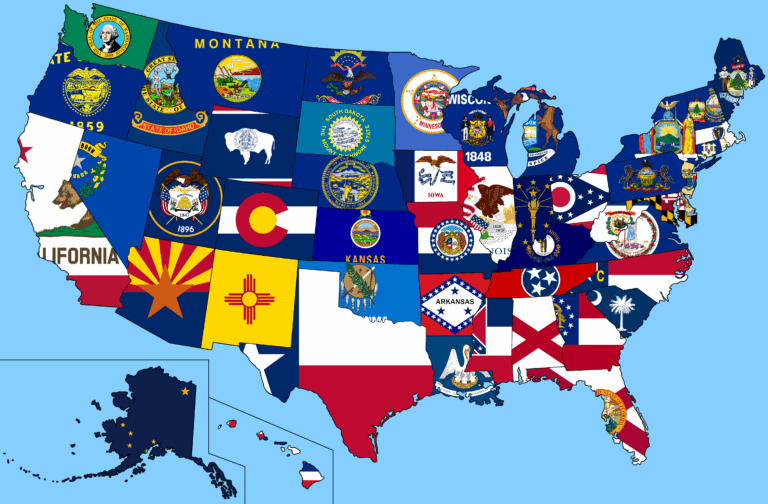
The Tax Foundation reports that 43 states will ring in 2026 with notable tax changes.
There is good news for taxpayers in nine states. Filers in Georgia, Indiana, Kentucky, Mississippi, Montana, Nebraska, North Carolina, Ohio, and Oklahoma will see reduced individual income tax rates this year.
A new flat-tax state: Ohio’s individual tax rate reduction is connected to a change in its tax system. It becomes the 15th member of the single-rate personal income tax club this year. Buckeye taxpayers now will pay a flat rate of 2.75 percent for all non-business income over $26,050.
But when taxpayers get a tax gift, it often comes with strings. That’s the case here. The Tax Foundation points out that while Ohio’s overall individuals tax rate is lower, the state has tightened eligibility for certain credits and exemptions.
Business tax changes, too: Some jurisdictions also changed their business taxes. Four states — Georgia, Nebraska, North Carolina, and Pennsylvania — reduce corporate income tax rates, notes the Tax Foundation.
2026 also brings tweaks to state sales and uses taxes, excise taxes, and the always unpopular property taxes.
I am thankful as the new 2026 tax year begins for all the state tax research done by the staff at the Tax Foundation. Check out all the change details after your college football game of choice is over (or earlier, if your team is not playing so well).
No tax changes (so far) this year: And, oh yeah, you don’t need to bother checking in you live in one of the seven states where the Tax Foundation didn’t find any tax changes. They are Alaska, Massachusetts, New Mexico, North Dakota, South Carolina, South Dakota, and West Virginia.
Now, having already reviewed what’s changed in Texas taxes this year, I’m off to stream the Rose Bowl Parade, since I forgot to set the DVR and slept in this morning!