

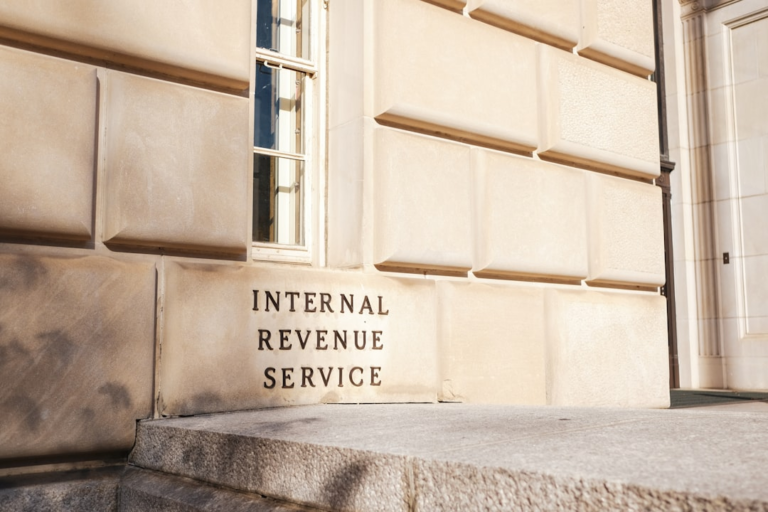
Photo by Sean Lee on Unsplash
As every U.S. taxpayer knows, the Internal Revenue Service is serious about deadlines. Now the tax agency is facing one.
The IRS has been operating as usual since the federal government’s partial closure on Oct. 1 thanks to money available from the prior administration’s Inflation Reduction Act. But that five-day grace period is about to end.
After today, if Congress can’t (or won’t) reach a deal to pay for Uncle Sam’s operations, the IRS will move to the next phase.
It will furlough more than half its employees — around 40,000 of its overall 74,299 staff — who have jobs that are deemed not critical to the tax agency’s core operations.
The remaining essential IRS workers will do their jobs, with pay deferred (or maybe not if Trump administration memos and social media posts are to be believed) until Congress and the White House reach a funding deal.
Until that agreement is reached, here is what’s likely to happen if the IRS goes into full government shutdown mode.
Tax law still in effect: First, remember that all tax laws are still in place and must be met, even if the IRS doesn’t have the staff to actively enforce them right now.
That means still all tax actions and payments, including the filing of your extended tax year 2024 tax return with its Oct. 15 due date, must be complied with by the existing deadlines. An estimated 19 million taxpayers got extensions this year.
You don’t get any grace period during a government closure. In fact, penalties and interest will continue to accrue. And you still could get an automated notice of your tax deficiency.
Based on prior government shutdowns, tax professionals say they expect to see limited assistance and/or delays in several IRS areas. They include —
- Slow processing of extended filings, as well as those submitted to meet other tax deadlines occurring now and, depending on the closure length, days (or weeks or, god forbid, months) from now.
- Less direct assistance from the IRS. This covers basic tax questions, as well as matters that taxpayers and their tax advisers were working on with the IRS before the shutdown.
- Less automated assistance from the IRS. The tax agency has been shifting to bots in recent years to help taxpayers maneuver more basic tax matters. It’s possible that the these and other components of IRS.gov might not be as readily available.
- Delays in guidance on tax matters, notably the array of tax law changes in the One Big Beautiful Bill (OBBB) Act that apply to 2025 tax returns.
Still follow IRS instructions: If you do get any correspondence from the IRS during the shutdown, the first rule of normal tax times still applies. Don’t ignore it.
As noted earlier, it likely will be an automatically sent notice. But still follow the instructions as best you can.
It’s possible the telephone contact number on the notice might not be answered by a person. Still, try and then make notes of the actions you took to comply with the IRS’ request.
Also, save the notice and other written communications in your tax records. And keep good notes of any tax matters or concerns during the shutdown.
You also might want to consult with a tax professional, who help in the best and the worst of tax times, like dealing with a confusing tax matter during a government shutdown.
Potential 2026 tax season delay: In addition to the current IRS operational delays mentioned above, if the shutdown drags out, tax form updates could be affected.
And the start of the 2026 tax filing season could start later than expected.
Maybe former short-term IRS Commissioner Billy Long was on to something when he said during a tax conference that the coming tax season would begin Feb. 14.
That definitely is not good news, for either taxpayers or the IRS which already was bracing for a challenging tax season. In addition to dealing with new tax laws that will apply on next year’s filings, a recent Treasury Inspector General for Tax Administration (TIGTA) report cited concerns about the agency’s readiness in light of substantial staff reductions.
Audits also could be affected: During the last long-term government closure, 35 days from late 2018 into 2019 during Trump’s first term, the IRS also halted audits.
I know, a lot of folks are cheering this possibility. I hear you. Nobody wants to be audited, especially when you haven’t intentionally done anything wrong with your tax filing.
But audits, or examinations as the tax agency calls them, are a key component of taxpayer compliance.
And that compliance, both voluntary and forced by IRS auditors’ findings, brings in a lot of money.
But when tax cheats get away with shorting the U.S. Treasury, that means those of meeting our legal tax obligations in full and on time essentially are bearing more of the country’s revenue burden.
Expect confusion: The bottom line is that with more than half of its staff furloughed, things will be a mess at the IRS.
Or, as Alex M. Parker, Tax Legislative Affairs Director for Eide Bailly LLP, put it a recent post on the firm’s blog, “Past experience has shown that shutdowns can be chaotic and unpredictable—in Congress and in federal agencies. That will likely be even more true this time around, with an administration that has not been hesitant to revisit past practices.”
So, prepare as best you can. Let your members of Congress know what you think. And be patient.

