Getty Images for Unsplash+
With the Biden administration electric vehicle (EV) tax credits ending Sept. 30, dealers in EV hot spots are reporting a rush of buyers for the environmentally friendly autos.
But EV tax breaks aren’t the only climate-change related laws being eliminated sooner than originally planned.
The tax provisions in the One Big Beautiful Bill (OBBB) Act also accelerate the termination dates for a variety of other energy-related tax credits.
Here an overview, based in large part on the Internal Revenue Service’s Fact Sheet 2025-05, on the new laws affecting tax breaks for clean energy sources such as solar and wind power, energy efficient buildings, and, of course, EVs.
Tax credits, deduction ending sooner: The table lists the seven affected tax credits, which are dollar-for-dollar offsets of any tax owed, and one tax deduction in order of their termination dates. It also shows the Internal Revenue Code (IRC) under which they are authorized.
|
Tax incentive for — |
Type of tax break |
Now expires on — |
|
New clean vehicle |
Credit | IRC 30D |
Sept. 30, 2025 |
|
Previously-owned clean vehicle |
Credit | IRC 25E |
Sept. 30, 2025 |
|
Qualified commercial clean vehicle |
Credit | IRC 45W |
Sept. 30, 2025 |
|
Energy-efficient home improvement |
Credit | IRC 25C |
Dec. 31, 2025 |
|
Residential clean energy |
Credit | IRC 25D |
Dec. 31, 2025 |
|
Alternative fuel vehicle refueling property |
Credit | IRC 30C |
June 30, 2026 |
|
New energy efficient residence |
Credit | IRC 45L |
June 30, 2026 |
|
Energy efficient commercial buildings |
Deduction | IRC 179D |
June 30, 2026 |
The ending dates for all the climate-connected tax credits are the dates by which the qualifying vehicles or real properties much be acquired, placed in service, or construction must begin.
But pay attention, especially as the tax breaks’ expiration dates near, of just what Uncle Sam means by acquired.
The IRS, for example, issued guidance last month that gave EV buyers more leeway on what counts as acquired when it comes to the Sept. 30 deadline. Now, a buyer must simply sign a valid contract and place a down payment on the eligible vehicle.
Home-related benefits gone after 2025: A house the biggest investment most people make. It’s also one where upkeep costs can really dent a budget.
So, many homeowners take advantage of tax breaks to upgrade their properties. Over the years, various tax incentives have help the hubby and I cover the costs of air conditioning/heating units, as well as replace all our 25-year-old home’s drafty windows.
If you are in the same situation as we were, then take note of the upcoming Dec. 31 end for a variety of home-related, energy/environmentally friendly replacement options.
Here’s a quick reminder of a couple that are about to end in less than four months.
The Energy Efficient Home Improvement Tax Credit is worth up to $3,200 for eligible energy-efficient upgrades. This covers such things as installing new insulation, windows, and HVAC (heating, ventilation, and air conditioning) systems.
Former President Joe Biden’s Inflation Reduction Act extended this credit through 2032. But Donald Trump’s one big bill ends it this year (Dec. 31, 2025).
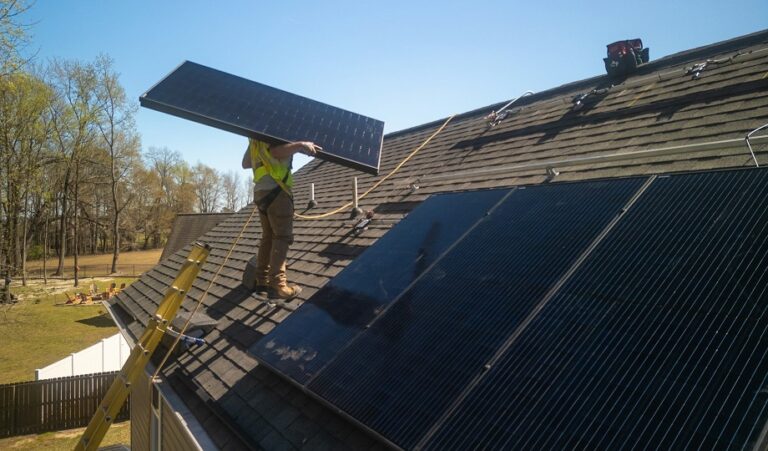
An even better tax break, the Residential Clean Energy Tax Credit, allowed homeowners to claim a credit for 30 percent of the cost of installing eligible clean energy systems. This includes solar panels, small wind turbines, battery storage technology, and geothermal systems.
These more expensive climate friendly home upgrades were set, under the prior law, to be available through 2034, with the credit phasing down to 22 percent of costs starting in 2033. The OBBB, however, is ending this tax credit on Dec. 31, 2025.
So, if either of these residential energy tax breaks appeal to you, and you need the tax credit to install them, you better start your search now for companies who can do the job by the end of the year.
You also might find these items of interest:
- New OBBB tax breaks taking effect in 2025
- IRS tweaks EV tax credit’s Sept. 30 ending date
- Axing Energy Star could end consumer savings (and some state sales tax holidays)