
The Aug. 21 jackpot amounts announced atop a lottery machine at my local H-E-B grocery store. (Photo by Kay Bell)
Updated Saturday, Sept. 6, 2025, with latest national lottery jackpot amounts.
Updated Sunday, Nov. 16, 2025, with inflation adjustment figures.
It’s back. Lottery fever has again taken hold of millions of Americans, as the Powerball jackpot rolled over again after no one selected all the winning numbers.
The immediate millionaire lure has increased since I took the photo topping this post. The payout for tonight’s (Saturday, Sept. 6) drawing is $1.8 billion if you take the winnings as a cash annuity payout over 30 years. If, however, you choose to take the winnings as an immediate cash lump sum, the taxes that will be taken out mean you’ll net “only” $826.4 million.
“As the jackpot increases, we expect ticket sales to increase,” according to the Multi-State Lottery Association, which helps facilitate the national lottery games. All those additional lottery slip purchases push up the pot.
If you’re pinning your retirement hopes on the next Powerball or Mega Millions ($358 million jackpot; $164.5 million lump payout) drawings, good luck.
And if you do happen to hit either, or both, of the current lottery jackpots, or any others in the future, you also might want to keep these financial and tax tips handy.
1. Hire or at least consult a tax professional.
By now, everyone is well aware that lottery jackpots mean big winnings for the tax man, too, since Uncle Sam considers gambling proceeds (and other winnings) taxable income that must be reported to the Internal Revenue Service and, in most cases, your state tax collector. A tax pro will be able to give you an overview of the myriad tax issues you’ll face at the federal and more local taxing levels.
Regardless of how you receive your winnings (more on this in tip #2), Uncle Sam will get his cut upfront. At the federal level, taxes on lottery winnings of more than $5,000 are withheld automatically at the 24 percent rate.
If you happen to live a state with a personal income tax, which is most of them, you’ll also likely owe your state tax collectors.
A few income-taxing states do have special tax rules for lottery winnings, ranging from lower rates to no taxes on resident winners.
Your tax adviser, and you should hire/consult him or her before you collect your winnings, can help you maneuver these immediate tax matters, as well as advise you on the next tax steps a sudden millionaire must consider.
Just make sure you (1) pick the type of tax preparer that best fits your new wealth needs and then (2) thoroughly check out that preparer to make sure that she, he, or they are knowledgeable and trustworthy.
2. Decide how you want your money.
The smart-ass answer to the question as to when to collect your cash is “as soon as possible.” But that’s not necessarily the smart answer.
Depending on where you live, you’ll have time, possibly months, to decide whether to get your winnings at once in a lump sum or as 30 annuity payments over 29 years (the first payment is immediate).
The advantage of taking a lump sum is you get all the money at once. The disadvantage of taking a lump sum is that you must pay tax on the entire amount in one tax year. Your tax pro (more on this coming up in #3) can help you break out the tax costs, federal and state where applicable, of the payment options.
The advantage of an annuity is that you’re taxed only as you receive the payments. The disadvantage of an annuity is you only get a few million a year. OK, not really a disadvantage, but you know what I mean.
You also don’t have any control with an annuity over how the winnings might grow. Compare the effective yield of the annuity with what you could earn by taking the money at once, paying the taxes and then investing the proceeds on your own.
That’s why you must do a little economic and political prognosticating.
The current top federal individual ordinary income tax rate is, and will continue to be thanks to enactment of the One Big Beautiful Bill (OBBB) Act, 37 percent. Plus, if you do take the cash now and invest it, note that there’s the added 3.8 percent net investment income tax that’s tacked on to earnings by wealthy taxpayers, of which you’ll be a part.
If Republicans retain control of Capitol Hill, there’s the possibility that they could make more tax cuts for richer taxpayers. There’s also talk from the GOP on easing the already lower capital gains tax on long-term investments, which is likely where some of your lottery cash might be directed.
Of course, predicting what type of tax changes might happen and when is a gamble itself, but a tax professional can help keep you abreast of the legislative possibilities, as well as make plans to reduce tax on your current and future assets.
That’s a lot to consider, which brings us to tip #3.
3. Pick a team of financial and legal advisers.
Regardless of how you take the winnings, you’re probably going to be in the highest tax bracket for a while. That’s the main reason that tax professional you just hired will come in handy, dealing not only with current tax matters, but also how the winnings affect your life for years to come and ultimately your estate.
But all that moolah poses other financial considerations. You’ll also want to add an investment adviser, accountant, insurance specialist, and attorney to your new financial team. Each can help you sort through the financial and legal intricacies of dealing with such a large amount of money.

All of these reputable, trained counselors can help you maneuver through the complex financial and tax rules and regulations that typically accompany wealth, which are discussed a bit more in the next tip. So don’t be shy about using some of your winnings to hire experienced financial professionals to help safeguard your membership in the upper financial echelon.
4. Create short- and long-term wealth plans.
The first job of the assorted financial professionals mentioned in tip #3 is to help ensure you don’t quickly blow through your new found wealth. That happens way too often to sudden millionaires.
Sure, a short-term goal might be to buy a new or better, not just bigger, house. And that’s not necessarily a bad move. We all want a nice place to live in a good neighborhood and there still are some tax advantages to home ownership.
But you also need to think further into your new wealthy future. Again, this is where your group of gurus can help. To keep you in the top income tier, you’ll want to create a wealth plan. This involves investments — the previously mentioned investments (and usually lower long-term capital gains taxes) —and estate planning.
Don’t forget about insurance. You’ll have a lot more worldly goods that need to be protected. You’ll also need coverage from the sadly inevitable lawsuits you could face from folks trying to cash in on your new-found wealth. And tying in with your estate plan, you should look into a policy that could provide some liquidity for your heirs if they need to pay any taxes on your estate.
5. Carefully consider gifts.
With all that new disposable income, you’ll probably want to share the wealth. Good for you.
The gifts likely will include funds for charities, as well as to family and friends.
As for how the giving can help you, large charitable gifts to valid 501(c)(3) groups are still tax deductible if you itemize. The OBBB keeps the amount you can give at 60 percent of adjusted gross income (AGI).
But beginning in 2026, the new tax law also reduces the tax benefit of those itemized donations. Charitable gifts claimed on Form 1040 Schedule A are deductible only once they exceed 0.5 percent of your AGI.
Also starting next year, the OBBB caps the charitable deduction at 35 percent of the contributed amount for those in the highest 37 percent tax bracket, which is where you as a new lottery millionaire will find yourself. This means, as this simple example shows, high-income filers donating $10,000 would receive a $3,500 deduction instead of $3,700.
So, take advantage of your tax and financial advisers’ input, and work with your chosen charity(ies) to maximize your gift and what it can accomplish.
As for your family and friends, make sure you know what effect such a gift could have on them and you. True, gifts are never taxable to the recipient, but when you give more than the annual gift exclusion amount — which is $19,000 for tax years 2025 and 2026 — then you have some tax paperwork to complete.
Also, note that an extravagant gift, however well-intentioned, could have additional financial obligations that the recipient isn’t prepared to meet.
An expensive car means higher auto insurance costs. A high-dollar home also will have more operating and maintenance costs, as well as an equally high property tax rate that the new homeowner might not be able to meet year after year.
And don’t forget the ultimate gift, bequests to heirs. Again, your financial dream team can help you work through the considerations of what will happen to all your money once you’re gone.
The OBBB also has increased the federal estate tax exemption. In 2025, an estate of up to $13.99 million per person ($27.98 million for a married couple), is tax free. Effective Jan. 1, 2026, the new tax law sets an individual’s federal estate and gift tax exemption at $15 million ($30 million for a married couple).
Note that a handful of states also collect an estate tax. A couple have inheritance taxes, too, so include that possibility in your ultimate asset plans.
6. Add up your gambling losses.
The tax code says you can deduct some of your gambling losses, although the OBBB reduced the amount. But that’s not really a consideration for a lottery winner. Unless you have a major gambling problem, you probably won’t have nearly enough to make any kind of dent in the jackpot.
Still, using gambling losses to offset winnings is something to put a pin in if you continue to wager. Chances are you won’t be as lucky as the Michigan man who used his recent $300 in lottery winnings to buy another ticket, including one that paid a $714,891 progressive jackpot prize.
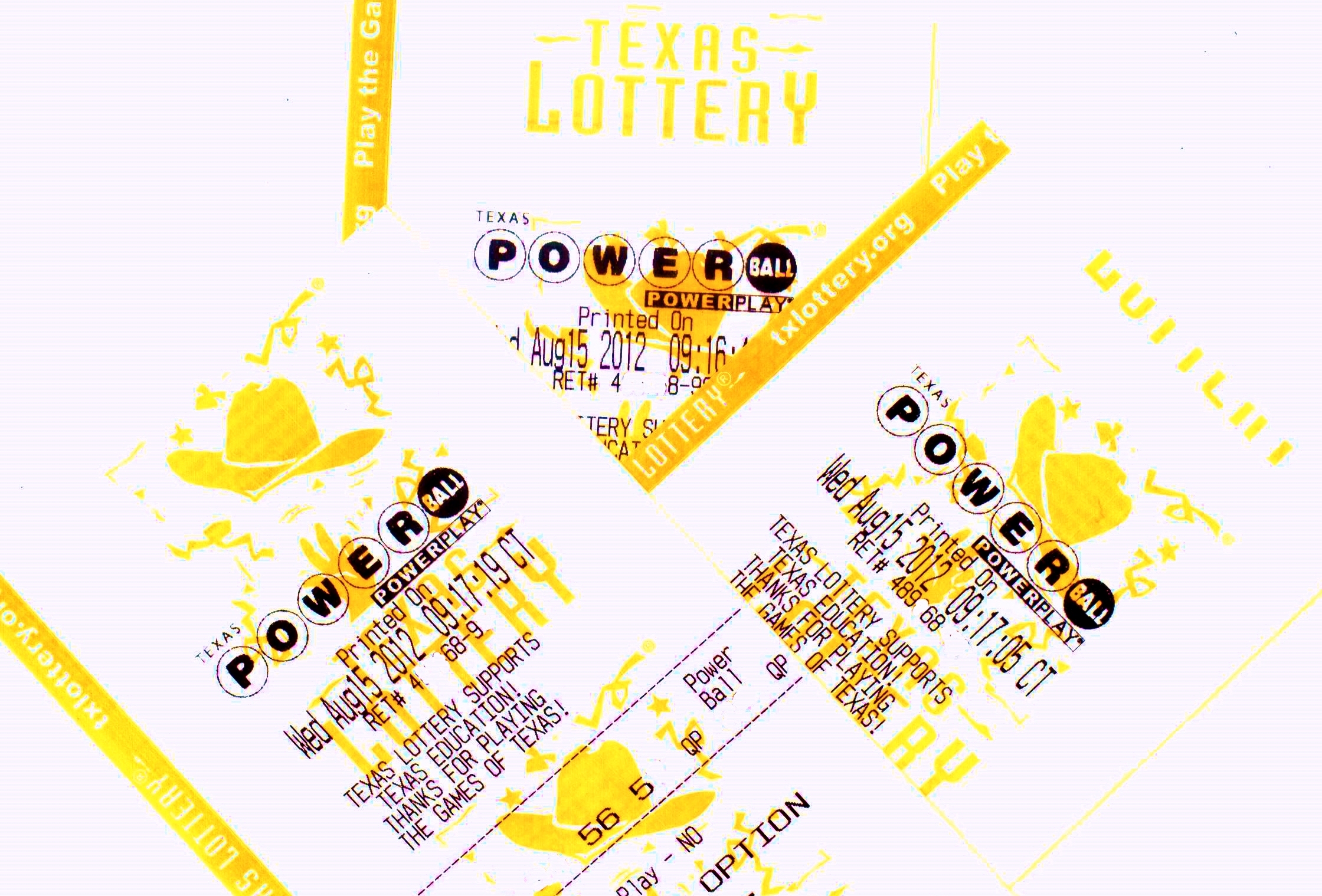
Being able to use even 90 percent of our losing wagers against more meager winnings will help most of us casual gamblers who drop a few dollars on lottery tickets or other games of chance.
The key, as with all things tax and regardless of amounts involved, is to keep track of your gambling wins and losses throughout the year.
I hope you one day are lucky enough to need to use these six tips. Long-time readers of the ol’ blog know that I, too, spring for a lottery ticket or two when the jackpots are like the current Powerball and Mega Millions amounts, so I hope I get to use them, too!
I know, it’s a waste of money. But you can’t blame a gal for dreaming, even against long odds.
And speaking of odds, even though the jackpots will increase, the chances of winning the top prizes have not. It’s still about 1 in 292 million that you (or I) will be the next lottery millionaire.
You also might find these items of interest:
- Gamblers lose part of their tax break in OBBB
- Tennessee betting gambling tax change will pay off
- Las Vegas lawmaker seeks higher slot machine tax reporting threshold
Advertisements
🌟 Search Amazon Tax Products 🌟
The text link above is an affiliate ad. If you click through and then buy a product, I receive a commission.