
Getty Images for Unsplash+
…
Most married taxpayers file joint returns. Not only is it typically easier (just one Form 1040 to mess with), joint filing usually produces the best tax result for the pair.
That’s because the tax code generally encourages married couples to file jointly. Some tax breaks are disallowed or relevant income limits are a challenge for married filers who file separate returns.
But in some cases, wedded couples are wise to send the Internal Revenue Service two returns.
Too often, though, where a spouse is abused, that mistreatment can find its way into their annual tax filing. Abused taxpayers don’t want to engage in another battle, either emotional or physical (or both), so they just go along, submitting to the demanded filing method as a way to placate their insistent spouse.
When the abused spouse is able to move away from the threatening partner, if they aren’t legally divorced, they still must choose filing jointly or separately. Either option means they must contact the person they’ve left. The reconnection also could be dangerous in some cases.
Four U.S. Senators want to give abused taxpayers more tax filing freedom. The lawmakers have crossed the political aisle and introduced the bipartisan Survivor Assistance for Fear-free and Easy (SAFE) Tax Filing Act.
Democratic Sens. John Fetterman or Pennsylvania and Catherine Cortez Masto of Nevada, and Republicans John Cornyn of Texas and Joni Ernst of Iowa say their bill, S. 2129, will help stop economic coercion in abusive marriages by making it easier for spousal abuse or abandonment survivors to file their taxes.
That step will, in turn, help abused taxpayers rebuild their lives financially.
Couples’ current tax filing rules: Tax law now requires married couples, regardless of the emotional states of their relationship, to choose either married filing jointly or married filing separately status when they submit their annual tax return(s).
Again, a separate filing often puts at least one of the spouses, usually the lower earner, at a tax disadvantage that could reduce the solo taxpayer’s refund.
The SAFE Tax Filing Act would allow spousal abuse survivors to file their taxes as if they are unmarried. It also would give them access to tax benefits, such as credits and deductions, and end the need to be being financially tied to their abusive or absent spouse.
It also would end the requirement that survivors must contact their abusers to get the biggest tax refund they’re eligible for to support themselves and their families.
Complete costs of financial abuse: The current filing status limits on married taxpayers is just example of how financial domestic abuse can find its way into our federal tax filing system.
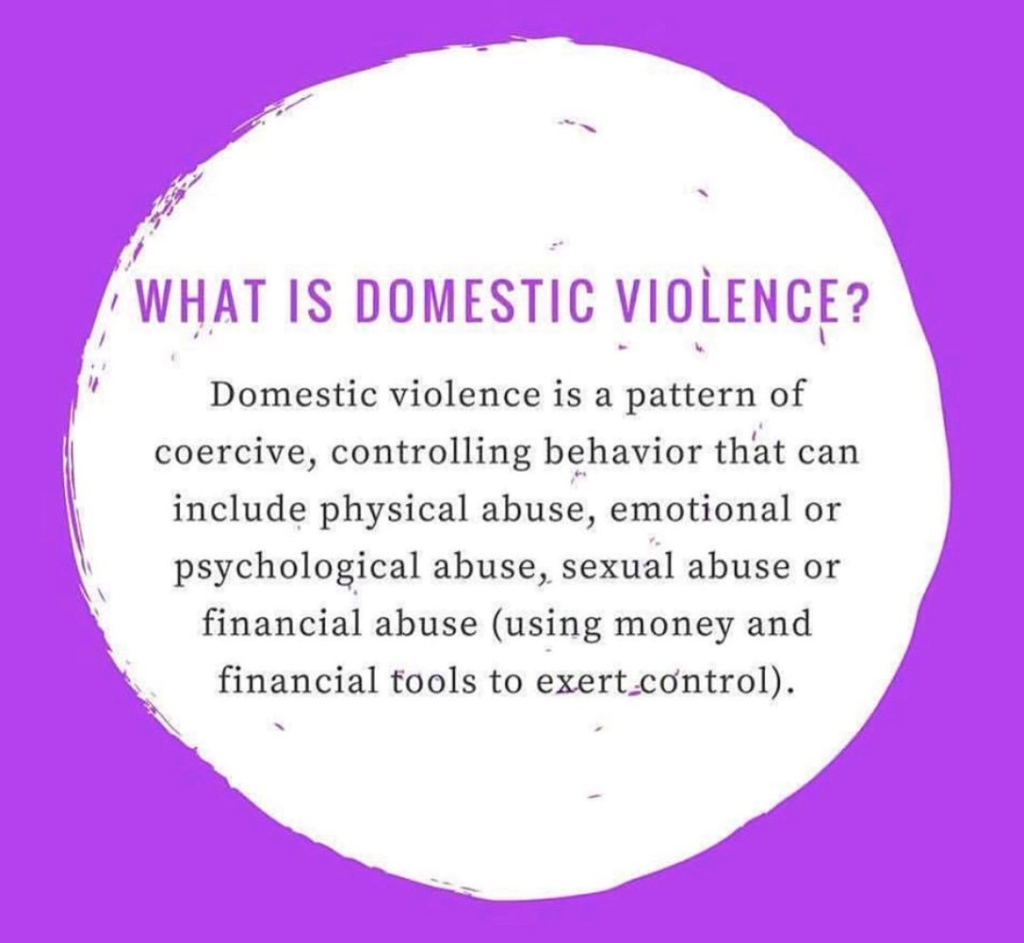
The spouse who makes the most money often uses that advantage to further trap the victim partner. An abuser often limits the victim’s access to money, doling out just enough so that the abused partner can barely make do in daily life.
The lack of financial resources is a major reason why domestic abuse survivors stay with a violent partner or return to the dangerous relationship.
The financial advantages of filing a joint return, even when one spouse wants out but cannot afford to leave, is one way that financial abuse finds its way in the federal tax system.
Supporters of the SAFE Tax Filing Act say that if it is enacted, it essentially would provide abuse survivors more independence over their tax filings, and provide affected taxpayers more tax fairness and equality.
SAFE Act support beyond Capitol Hill: The bill has been endorsed by the National Resource Center on Domestic Violence, Pennsylvania Coalition Against Domestic Violence, the National Domestic Violence Hotline, the National Network to End Domestic Violence, the Center for Survivor Agency and Justice, Futures Without Violence, and Just Solutions.
Professional tax preparers also are backing the bipartisan bill.
The National Association of Enrolled Agents (NAEA), with more than 66,000 enrolled agent (EA) members, commended the SAFE Tax Filing Act sponsors and the relief it would provide abused and abandoned taxpayers who are still legally married, and therefore limited in their tax filing choices.
“EAs specialize in tax preparation and representation, and we believe this bill will provide welcome relief to certain spouses who have experienced abuse, especially in community property states where the states presume that married couples jointly own assets and debts acquired during their marriage,” said NAEA President Jennifer MacMillian.
To underscore its support of the legislation, the American Institute of CPAs (AICPA) made public a letter it sent to lead sponsor Fetterman.
“Many tax practitioners have one or more clients to which this legislation is applicable in some form and they are restrained due to current law in how to best help these clients. This legislation addresses a critical gap in the U.S. tax system that affects survivors of domestic abuse or spousal abandonment,” said Daniel Hauffe, Senior Manager of Tax Policy & Advocacy for the AICPA in a statement issued in conjunction with the posting of the letter.
Hauffe called the SAFE Tax Filing Act “a practical step toward tax equity and survivor protection, ensuring that the tax system does not unintentionally perpetuate harm or dependency in abusive situations,” and urged other members of Congress to support the legislation.
In addition to declaring its “strong support” of the measure, the AICPA letter also noted that the tax practitioners would like “the Department of the Treasury and the Internal Revenue Service to develop regulations that implement the SAFE Tax Filing Act without adding unnecessary complexity, carefully balance the needs of survivors with the risks of misusing this provision, develop internal processes addressing conflict between the tax returns of the survivors and abusers, and offer adequate protections for preparers exercising due diligence.”
You also might find these items of interest:
- Spousal abuse and taxes in trying times
- When taxes get tangled up in spousal abuse
- Spousal abuse: physical, financial, and tax-related
- Taxes need to a part of your divorce considerations
Advertisements
🌟 Search Amazon Tax Products 🌟
The text link above is an affiliate ad. If you click through and then buy a product, I receive a commission.