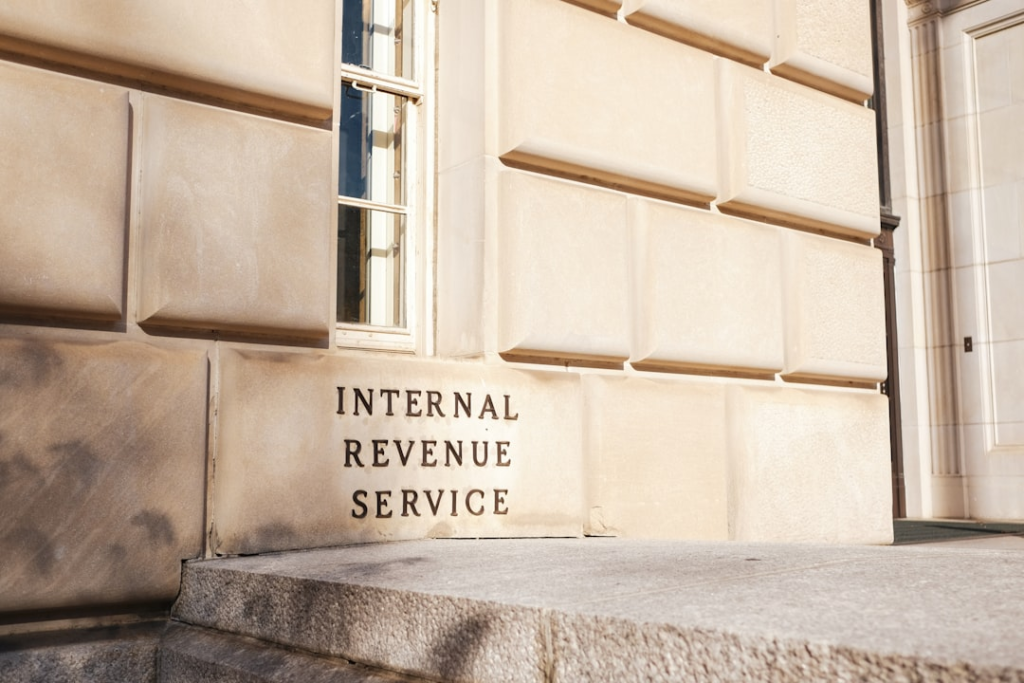
The Republican-led Congress insists it is making progress on Donald J. Trump's "one big beautiful bill." But party leaders are facing challenges.
In addition to including expiring Tax Cuts and Jobs Act provisions into a combined budget reconciliation package, they must find a way to shoehorn in Trump’s campaign trail promises of no taxes on tips, overtime pay, and Social Security benefits.
A House Ways and Means Committee member believes she has a solution to the federal retiree taxation payment issue.
Rep. Nicole Malliotakis (R-New York) has introduced H.R. 1129, also known as the Tax Relief Unleashed for Seniors by Trump (TRUST) Act, which would increase the amount of seniors’ income that is tax exempt. It also would index the income threshold to inflation.
Malliotakis, along with colleagues Reps. Mike Carey (R-Ohio) and Jimmy Panetta (D-California), also introduced a tax deduction bill that would ease the tax burden of all older taxpayers.
H.R. 1130, dubbed The Bonus Tax Relief for America’s Seniors Act, would further increase the current additional standard deduction amount for taxpayers age 65 or older.
Seniors’ currently taxable income threshold: The TRUST Act addresses an issue that at best infuriates senior citizens who took to heart the admonition that Social Security should not be your only source of retirement money. They saved and/or invested over the years to build a nice nest egg that also is a part of their post-work financial support system.
But now, they are paying for their planning. And in some cases, the pain is more than just emotional. They must deal with real fiscal and tax costs.
This situation arises when retirees have other taxable income, in addition to Social Security. This includes wages and earnings (including from self-employment), taxable pensions, interest, and dividends, along with any tax-exempt interest income.
When these additional nest egg amounts exceed a certain level, retired savers must pay tax on their annual Social Security benefits.
The tax, which was enacted in 1984, is levied at two tiers.
The base amount that triggers at least some taxation of Social Security benefits is $25,000 for individual taxpayers and $32,000 for married filing jointly taxpayers. If your combined income for your filing status exceeds these base amounts, you’ll owe tax on 50 percent of your Social Security benefits.
Individual taxpayers whose combined income exceeds $34,000 will owe tax on up to 85 percent of their Social Security payments. The 85 percent of benefits income tax trigger for married couples filing a joint is more than $44,000.
These earnings levels are fixed. They are not adjusted for inflation.
Increasing Social Security taxation triggers: The TRUST Act would increase the amount of retirees’ income that is tax exempt. It also would and index the thresholds that trigger taxation of Social Security to inflation.
Malliotakis noted that the income thresholds for taxation of benefits have been the same for 41 years.
When Social Security benefits were first taxed more than four decades ago, less than 10 percent of beneficiaries were affected. But inflation has produced a dramatic increase in senior filers who pay tax on half or more of their federal retirement benefits.
A Social Security Administration (SSA) microsimulation model projects that an annual average of about 56 percent of beneficiary families will owe federal income tax on part of their benefit income from 2015 through 2050. The median percentage of benefit income owed as income tax by beneficiary families will rise from 1 percent to 5 percent over that period.
If Congress does not adjusts income tax brackets upward to approximate the historical ratio of taxes to national income, the proportion of benefit income owed as income tax will exceed these projections, notes the SSA.
The TRUST Act would double current exempt income for taxpayers age 65 and older from $25,000 to $50,000 for single filers, and from $32,000 to $64,000 for married couples.
Malliotakis said that she was prompted to introduce the bill after her father, who is her “number one most demanding constituent,” asked her, “Why do we pay taxes on our Social Security?”
Current larger deduction for older filers: The other bill introduced by Malliotakis, Carey, and Panetta would increase by even more the existing additional standard deduction amount that older taxpayers can claim when they file their returns. The current larger amount applies not only to older filers, but also to those who are legally blind.
For tax returns filed next year, the Internal Revenue Service’s 2025 inflation adjustments would let eligible taxpayers add $1,600 for each qualifying circumstance, either age 65 or older or visually impaired, to the standard deduction available to younger filers.
The additional standard deduction amount in age/vision situations is increased next year to $2,000 if the individual is also unmarried and not a surviving spouse. That’s a $50 increase of the $1,950 maximum allowed in 2024.
Each added standard deduction amount option is separate for each filer, meaning that an older married couple could check up to four boxes on their joint return. The total number of boxes checked then is used to determine the filer(s) standard deduction amount.
Or, if you don't want to do the math (or want to double check the addition of your tax software), page 4 of IRS Form 1040-SR, the return created especially for senior citizens, details the amounts. Below are the 2024 numbers.
Since we’re talking about Social Security retiree benefits, which are paid to individuals in their 60s or older, let’s look just at the age add-on amounts. For the 2025 tax year, a single taxpayer age 65 or older would tack $2,000 onto the regular standard deduction amount of $15,000 and claim a larger $17,000 standard deduction when they file next year.
A married filing jointly couple where both spouses are at least age 65 would get to add $3,200 ($1,600 x 2) to the jointly filing standard deduction amount in 2025 of $30,000 to get a larger standard claim of $33,200.
Even bigger bump for seniors: The Bonus Tax Relief for America’s Seniors Act would up the additional standard amount for single taxpayers age 65 and older to $5,000.
It would go to $10,000 for married, jointly filing couples if the bill becomes law, either on its own or as part of the budget reconciliation tax package.
“Many of our seniors have been crushed by inflation, and are being forced to stretch their retirement savings further than ever before,” said Malliotakis in announcing the bill. “The bills I'm introducing today would reduce the tax burden on our seniors, keep more money in their pockets and allow them to retire with greater financial security.”
On average, she noted, the legislation would reduce federal taxes by $2,100 for married couples filing jointly earning $85,000 per year.
Carey said the proposals would give senior citizens some much-needed budgeting breathing room. Panetta said their bills would enable older Americans to “retire with the financial security and dignity they deserve.”
You also might find these items of interest:
- Standard deduction amounts increase for 2025 tax year
- 9 states join Uncle Sam in taxing at least some Social Security benefits
- The current federal tax on Social Security benefits and efforts to end it
Advertisements
🌟 Search Amazon Tax Products 🌟
The text link above is an affiliate ad. If you click through and then buy a product, I receive a commission.