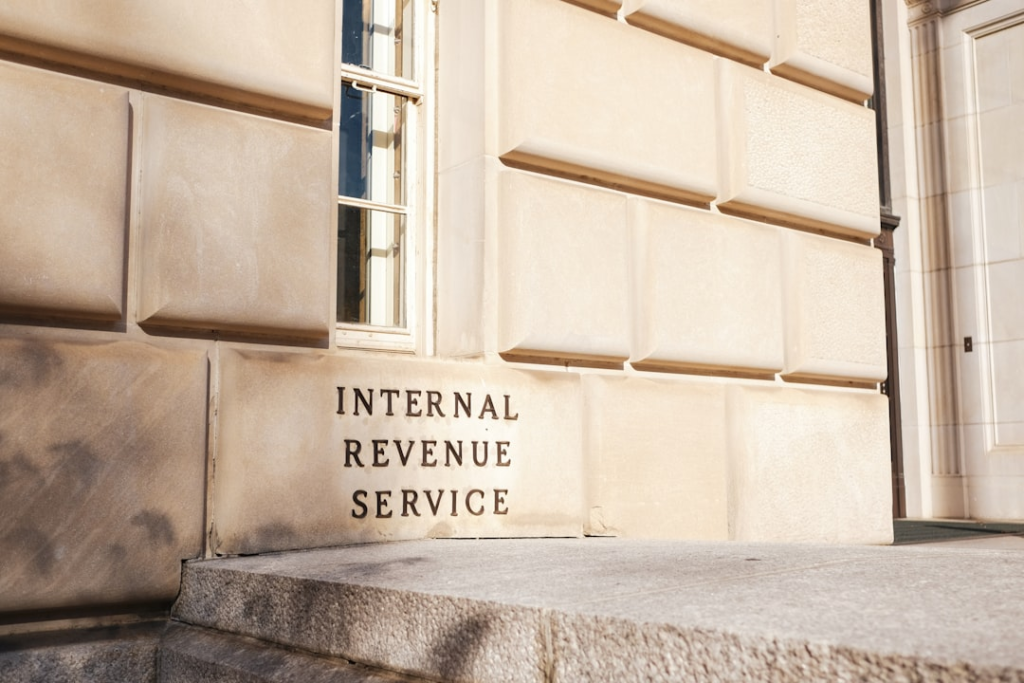
The third estimated tax payment deadline was Monday, Sept. 16, but today the Internal Revenue Service eased the minds of some Pennsylvanians who missed it.
The IRS announced that taxpayers in areas of the Keystone State that were deluged by Tropical Storm Debby as it moved up the country’s east coast are eligible for a variety of tax relief.
They’ve been given until Feb. 3, 2025, to meet a variety of tax filing and payment deadlines, including this week’s estimated tax due date.
You can read more about the tax relief for storm-affected Pennsylvania individual and business taxpayers in my post on the states included in Hurricane Debby disaster and tax relief. They are among the taxpayers in 20 states and 2 territories getting similar tax relief.
But for the rest of us not granted more time to pay our estimated tax amount this week, here’s a look at what you can expect — and should do — if you missed the deadline.
Added penalty and interest charges: If you miss any tax deadline and owe the IRS money, penalty and interest charges start adding up from that date until you pay your tax amount. With estimated taxes, that's a chance for four separate accrual periods.
Since our tax system is pay-as-you-earn, you could owe these added charges even if your eventual, final tax bill when you file by the usual April 15 Tax Day is zero or you get a refund.
The IRS arrives at the penalty amount on any missed payment, or as the agency calls it an underpayment, in an estimated tax period using a specific formula.
It starts by looking at the tax shown on your original return or on a more recent return that you filed on or before the due date. Then it calculates the penalty based on —
- The amount of the underpayment,
- The period when the underpayment was due and underpaid, and
- The interest rate for underpayments that are adjusted quarterly. The current interest rate is 8 percent.
Once a due date has passed, the IRS will typically assess 0.5 percent of the entire amount owed. That’s charged for each month that you don't pay, and can ultimately add up to 25 percent of the unpaid tax.
As noted earlier, that penalty will still apply to unpaid estimated taxes for the missed quarter, even if you end up covering your full year’s tax bill. You are penalized for not paying the due tax for the period in which the taxable income was earned.
Pay all or as much as possible: If the due date just slipped your mind, the easiest way to stop or reduce penalty and interest charges is to pay your missed 1040-ES amount as soon as possible. The longer you wait, the more you’ll owe.
You might be tempted to just add the missed estimated payment to the next pay period’s filing. Don’t. Remember the penalty is for the specific estimated tax payment period missed, so simply paying later won’t stop them or the interest accrual.
If you can’t pay your full estimated tax amount, pay as much as you can, again as soon as you can. This will reduce the penalty and interest charges. It also will let the IRS know that you’re not just ignoring your tax obligation, and that you are working on meeting it.
Or provide a good reason: What if you missed your estimated tax payment because of an emergency? If you provide the IRS with a good reason, it may waive or reduce the penalty amount.
This is not automatic. You’ve got to have a really good reason, like the aforementioned major disasters, for this relief.
But the Internal Revenue Code does give the IRS the option to waive the underpayment penalty if the underpayment if its due to an unusual circumstance and the imposition of the penalty would be inequitable and against good conscience.
The IRS also can waive the penalty if you retired after reaching age 62 or became disabled during the tax year or in the preceding tax year for which you should have made estimated payments, and the underpayment was due to reasonable cause and not willful neglect.
Applying for penalty waiver: To apply for a penalty waiver, complete and file Form 2210, Underpayment of Estimated Tax by Individuals, Estates, and Trusts.
The form allows you to request a full waiver, by checking Box A in Part II at the end of the form’s first page, or a partial waiver, Box B in that same section.
Then, write a statement explaining why you were unable to make your estimated payment on time, and attach it when you submit Form 2210.
If you’re requesting a waiver due to a casualty, disaster that’s not a federally declared one, or another unusual circumstance, attach documentation such as copies of police and insurance company reports.
If you’re requesting a waiver due to retirement or disability, attach documentation that shows your retirement date, and your age on that date, or the date you became disabled.
The IRS will review the information you provide and decide whether to grant your request for a waiver.
Yes, the calculations on Form 2210 are intimidating. And to be honest, the instructions aren’t much clearer.
If you have tax software, it might include Form 2210. It’s popped up for me when my tax bill indicated that my estimated payments came up short. Using the electronic prompts could make filling out the form easier.
Or you might want to get some help from a tax professional.
Even if you get the penalty waived, you’ll still owe interest, so you should go ahead, with or without any waiver request, pay it or as much as you can now.
You also might find these items of interest:
- A quick estimated tax Q&A
- Estimated taxes: Why, when, and how to pay them
- Safe harbors and other ways to avoid estimated tax penalties
Advertisements
🌟 Explore Prime for Young Adults 🌟
The text link above is an affiliate ad. If you click through and then buy a product, I receive a commission.