The 2024 National Football Season has started. So far, I’m 0-and-2 for the games played before the regular Sunday kickoffs. I’m hoping my Cowboys don’t make it a disappointing threefer.
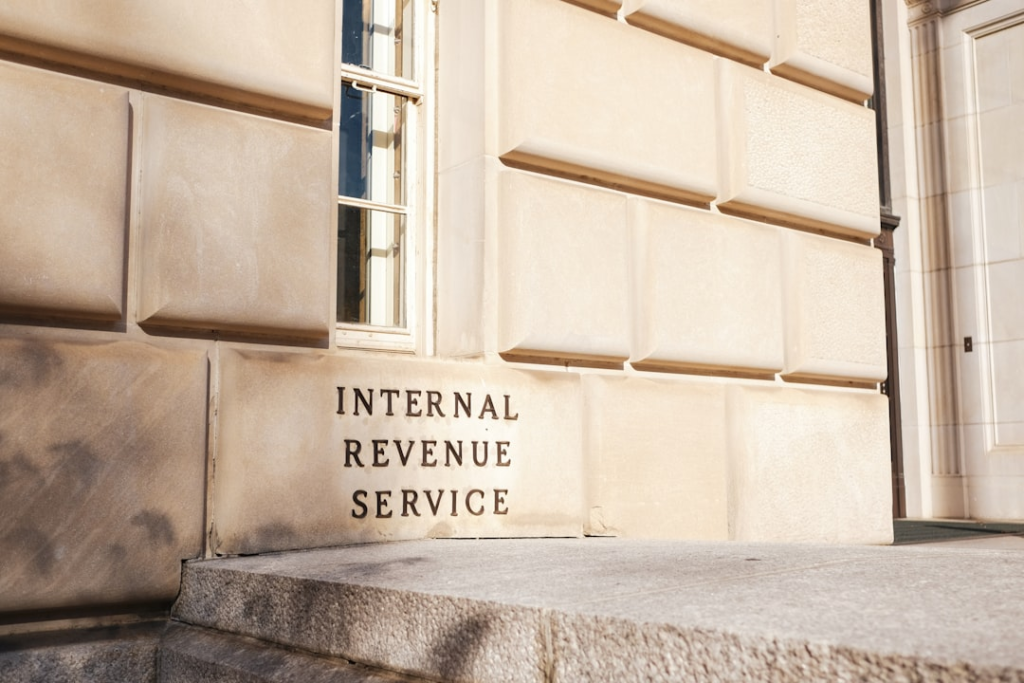
The NFL is the most popular sport in the United States. It’s also a favorite of tax collectors, both the Internal Revenue Service and at the state level.
Uncle Sam obviously gets a nice cut of the exorbitant salaries professional football players make. If the team is based in a state that collects individual income tax, so does that state's tax department.
But there’s a third tax collection winner, the states with income taxes where the NFL teams come to play. These tax jurisdictions also get a portion of players' — and all the teams’ coaches and other staff who join the road trip — earnings thanks to the jock tax.
Jock tax complications for athletes: I’ve blogged about the jock tax many times over the years. In short, it’s a decades old tax that city and state tax departments levy on visiting athletes and other nonresident entertainers who play or perform within the taxing jurisdictions’ boundaries. It’s a relatively easy tax to collect and adds money the local coffers.
It got the moniker jock tax because the practice received widespread attention when it was aimed at visiting pro athletes, notably when Michael Jordan’s Chicago Bulls dethroned the Los Angeles Lakers for the National Basketball Championship in 1991.
California tax officials informed Jordan that he would owe state taxes for the days he spent in Los Angeles. In a tax tit for tat, Illinois announced that it would levy a jock tax on athletes from any state that imposed the tax on their athletes. Now, almost every state and many large municipalities have a jock tax.
So, with football season’s arrival, it seemed a good Saturday Shout Out topic.
First, there’s the Tax Foundation piece on Caitlin Clark’s Other Audience: State Tax Departments.
Jared Walczak, Vice President of State Projects at the Washington, D.C.-based tax policy nonprofit, points out that application of a jock tax without considering athletes’ disparate salaries produces notably unequal tax results for the player.
Clark, the rookie star of the Women’s National Basketball Association (WNBA), makes around $75,000 a year. NBA champ Steph Curry of the Lakers makes around $52 million annually. Applying the more stringent nonresident jock tax rules to athletes with $75,000 salaries is more tendentious, writes Walczak.
There also are a couple of articles on a recent city jock tax that’s embroiled in litigation.
- Pa. Supreme Court grants limited appeal of ruling striking down Pittsburgh’s ‘jock tax’ by Peter Hall for the Pennsylvania Star Capital.
- Pennsylvania High Court to Consider Case on Pittsburgh’s ‘Jock Tax’ by Hallie Lauer, Pittsburgh Post-Gazette (reprinted at CPA Practice Adviser).
College jocks and taxes, too: I’m not a college football fan. My excuse used to be that I felt bad about shouting (OK, cursing) at college kids playing a game.
But since the National Collegiate Athletic Association (NCAA) decided in 2021 that student athletes in all college sports can capitalize on income related to their name, image, or likeness (NIL), just like their professional counterparts, that rationale is out the window.
Some college athletes are already making millions from NIL opportunities. Some will rake in more as college stars than some lower-level professional athletes will earn.
So, I’m rethinking my college sports watching and associated screaming at the TV.
I’m also shouting out to a couple of college NIL and taxes pieces, since, as with any income, college athletes’ NIL self-employment earnings are subject to federal, state, and local taxes. Depending on where the NIL-related moneymaking activity occurs, the young taxpayers also may be subject to the jock tax.
As noted in the following shout outs, student athletes need an NIL game plan.
- Taxes, financial aid, budgeting: The NIL syllabus is considerable by Gene Todd and Richard Pianoforte for Sports Business Journal.
- What Student Athletes Need to Know About Their NIL Income by Charles R. Johnson and Richard Pianoforte for Kiplinger magazine.
- Athletes and Taxes by George F. Bearup, Senior Legal Trust Advisor for Greenleaf Trust.
I know the point of these shout outs is for y’all to read them at your leisure, and give me more leisure time on weekends, but I did want to highlight this potentially new recruiting observation from Bearup:
Will Texas, Florida, and Tennessee now have even more of a recruiting advantage (more than just warm weather) since those states do not have an income tax? Is the taxation of NIL compensation a reason why there are so many student athletes who transfer to other out-of-state southern universities these days?
A schedule for birding football fans: Before I go, I’ll leave you with a non-tax college football tidbit that, as a birder, delighted me. This weekend the West Point football team kicked off a three-game stretch in with they will play teams with owl mascots.
Today’s Black Knights’ opponent is the Florida Atlantic University Owls. Army’s next game on Sept. 14 is against the Rice University Owls. They close out this ornithological stretch by facing the Temple University Owls in Philadelphia.
A fun quasi-ornithological college football item. Army's football team today starts a 3-consecutive-game stretch against teams whose mascot is an owl. First the West Point Black Knights face Florida Atlantic, then Rice on 9/14, and Temple on 9/21. What a hoot! Sorry, not sorry😉 pic.twitter.com/K1IwU1wWpm
— Kay Bell (@taxtweet) September 7, 2024
OK, now off to watch some Major League Baseball games, whose players (and coaches and trainers and other traveling staff) face the most potential jock taxes due to their 81 road games (or more if they make the post-season) a year.
You also might find these items of interest:
- 3 tax takes on the Olympics
- E-sports join NFL, other traditional games as jock tax target
- Johnny Football's Texas residency can cut his NFL income tax
- MLB superstar Ohtani’s former translator agrees to bank and tax fraud guilty plea deal
Advertisements
🌟 Explore Prime for Young Adults 🌟
The text link above is an affiliate ad. If you click through and then buy a product, I receive a commission.