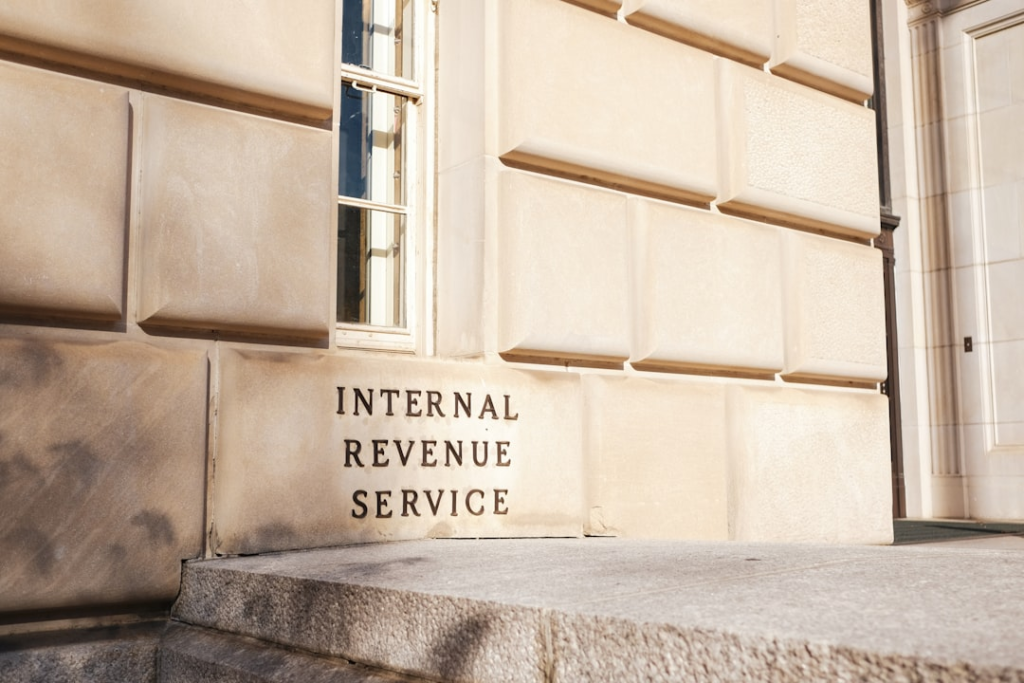
The tax robot overlords look to be making a good argument for their existence.
A fraud detection system utilizing artificial intelligence (AI) helped Treasury recover $375 million in fiscal year 2023.
Treasury's Office of Payment Integrity (OPI) began using the AI process at the Oct. 1, 2022, start of that fiscal year to deal with check fraud that increased dramatically during the COVID-19 pandemic.
Catching increased check fraud: As the pandemic's effects started to be widely felt in 2021, FinCEN received more than 350,000 Suspicious Activity Reports (SARs) from financial institutions in connection with potential check fraud.
That was a 23 percent increase over the number of check fraud-related SARs filed in 2020.
The upward trend continued into 2022. Check fraud SARs nearly doubled from the previous year, hitting more than 680,000.
Overall, fraud in connection with the traditional paper payment option increased nationwide by 385 percent since the coronavirus hit the United States.
AI algorithm advances: Generally, AI fraud detection is a technology-based approach that employs machine learning to identify fraudulent activities within large datasets, says technology company and cloud service provider DigitalOcean.
The process involves training algorithms to recognize patterns and anomalies that signal possible fraud. By continuously learning from new data, the machine learning models become increasingly adept, improve their predictive accuracy, and adapt to evolving fraudulent tactics.
OPI process success: Treasury says OPI's AI-enhanced fraud detector strengthened and expedited processes to recover potentially fraudulent payments from financial institutions. Part of that success, noted Treasury, was the process' ability to mitigate check fraud in near real-time.
"We are using the latest technological advances to enhance our fraud detection process, and AI has allowed us to expedite the detection of fraud and recovery of tax dollars," said Deputy Secretary of the Treasury Wally Adeyemo.
The end result helps guarantee the U.S. government is "paying the right person, in the right amount, at the right time, and ensuring that Social Security payments, tax refunds, and other types of checks, and people who are receiving them, are safe from fraud," added Adeyemo.
Criminal actions, too: In addition to bringing in more revenue, Treasury noted that the enhanced AI fraud detection and OPI's partnership with federal law enforcement agencies have led to multiple active financial criminal cases and arrests.
OPI's check fraud detection is just one of Treasury's increased usage of AI. You can read about AI efforts at the Internal Revenue Service in these posts:
- Is AI ready to tackle taxes? Sort of
- AI can help the IRS do its job. Are we ready for that?
- IRS AI bots now helping taxpayers set up payment plans
- New IRS bots available to help resolve tax payment notices
- Voice and chat bots now part of IRS telephone tax help lines
Advertisements
🌟 Search Amazon Electronics 🌟
The text link above is an affiliate ad. If you click through and then buy a product, I receive a commission.