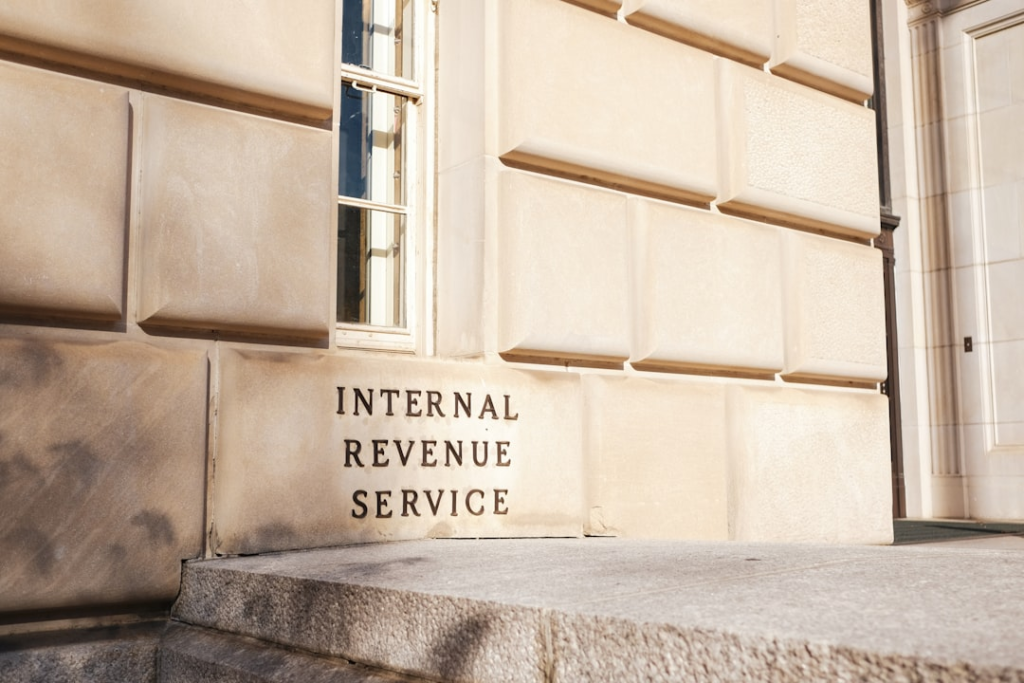
The Sept. 15 deadline for paying the third installment of 2023's estimated taxes is just days away.
Make sure you meet it. Also make sure you pay the correct amount.
If when all is said and filed at tax time, you owe the U.S. Treasury $1,000 or more, you could face a penalty for underpaying your taxes.
And where that taxable money was from sources not subject to withholding, you also could face late-payment fines for not remitting it during the proper estimated tax quarters.
Estimated tax safe harbors: Most of us who must pay estimated taxes calculate that expected bill, divide it by four, and make each of the payments on the 1040-ES due dates. Those are the 15th of April, June, September, and the next January.
So that the hubby and I won't face a penalty for underpaying our estimated taxes, we follow one of the Internal Revenue Service's general safe harbor tax payment guidelines.
One is that you pay at least 90 percent of the tax you will ultimately owe for the current tax year. In this case, you have to do some pretty good guesstimating about your future tax bill.
We typically get some end-of-year income that fluctuates from year-to-year, so we opt for the second safe harbor. It says estimated taxpayers can avoid an underpayment penalty if they pay 100 percent of the tax owed the previous tax year.
If you're considered a higher-income earner — that's someone with an adjusted gross income (AGI) of more than $150,000 (or $75,000 if your filing status is married filing separately) on your previous year's return as a single filer — the safe harbor is slightly different. These wealthier taxpayers must pay the lower of 90 percent of the tax shown on the current year's return or 110 percent of the prior year's tax liability.
IRS Publication 505, Tax Withholding and Estimated Tax, has a couple of worksheets to help you figure your estimated tax amounts. If you use tax software, it will do the calculating for you. And, of course, if you have a tax pro who takes care of your annual and estimated taxes, that preparer will do all the calculating.
Annualized payment option: The four equal payments method is the easiest way to meet your estimated tax responsibilities. It's also the option the IRS prefers taxpayers use.
But it's not required. Some earners income that's subject to estimated tax fluctuates during the year. This is the case, for example, for landscapers who make most of their money int e spring and summer.
When income is less in the other season, paying the equally divided estimated tax amount can be a burden, often creating a cashflow problem.
For these folks, the annualized income option is a good move. It does require accurate record keeping and filing another form, but you end up paying a larger estimated tax amount in the earning period that you actually made more money.
Withholding also can help: There's also the paycheck withholding option.
Many who make estimated tax payments do so because they are totally self-employed. But some 1040-ES filers have salaried jobs, with the estimated tax applying to their side job income that's not subject to withholding.
If that's you, getting a paycheck where tax was withheld and getting side hustle money that's subject to estimate tax payments, you can bump up your job's withholding to help cover at least some, if not all, the amount of estimated tax you'll owe.
Your spouse also could help out here if y'all file a joint return.
Since your income and the tax you paid throughout the year via withholding and estimated payments will be combined on one Form 1040, increased withholding on your better half's wages could help ensure you don't face an underpayment penalty.
You also might find these items of interest:
- The scoop on paying estimated taxes
- Estimated taxes: Why, when, and how to pay them
- A quick estimated tax Q&A in advance of the deadline
Advertisements
🌟 Search Amazon Business and Money Books 🌟
The text link above and image links below are affiliate ads. If you click through and then buy a product, I receive a commission.