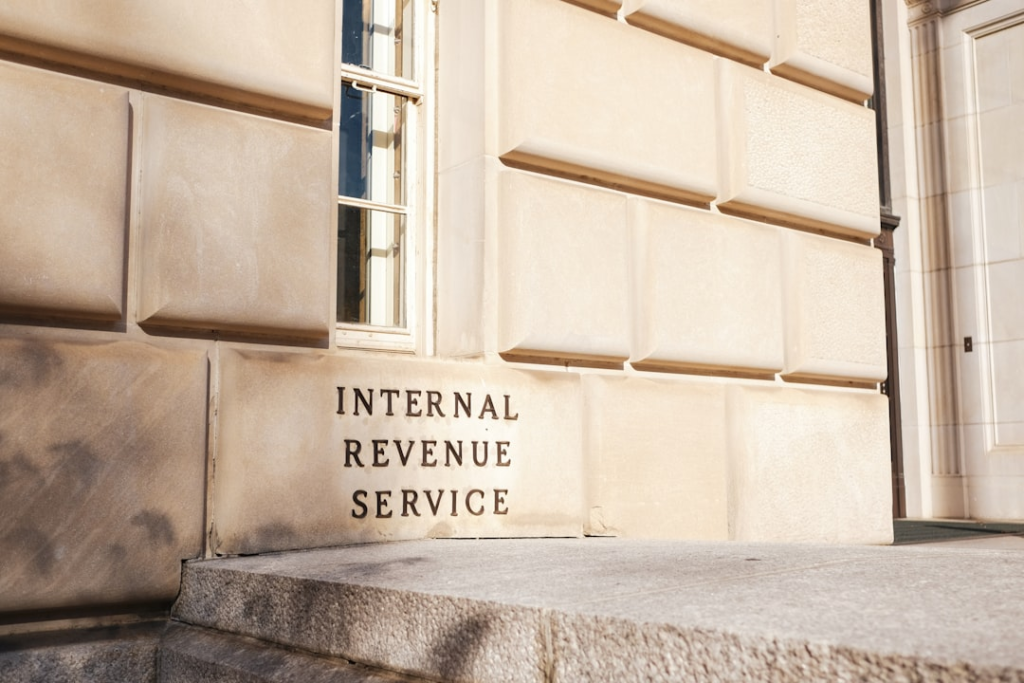
Did you totally miss Tax Day?
If so, and you owe the Internal Revenue Service a now overdue payment, the agency says it's not too late.
In fact, if you pay up soon, specifically by next Tuesday, June 14, you'll avoid a larger noncompliance charge.
Normal tax penalties: Under normal non-filing and non-payment calculations, the IRS assess two penalties.
The late-filing penalty is 5 percent of the unpaid tax for each month or part of a month that an annual tax return is late. If the taxpayer tardiness drags on, this failure to file penalty can amount to an eventual maximum of 25 percent of unpaid tax.
There's also a failure to pay penalty that calculated separately when you don't pay a tax bill by the due date. When that's in connection with your annual return filing, the deadline again is the annual Tax Day. The late-payment penalty is 0.5 percent unpaid taxes for each month or part of a month the tax remains unpaid. It also maxes out at 25 percent of your unpaid taxes.
If you miss both the filing of your forms and paying what you owe, both filing and payment failure penalties are applied. But in these cases, the IRS reduces your late filing penalty by the amount of your late payment penalty assessed that month.
That means, for example, instead of a 5 percent failure to file penalty for the month, the IRS applies a 4.5 percent failure to file penalty and a 0.5 percent failure to pay penalty, giving you a combined 5 percent assessment.
Interest also is added. The current rate is 4 percent per year, compounded daily. Adjustments are made quarterly, based on the federal short-term rate. Since the Federal Reserve Board bumped up rates, the IRS interest rate charge will increase to 5 percent on July 1.
How the June 14 penalty works: In addition to the regular late filing and payment penalties, there's another assessment when a tax return is more than 60 days late.
In these cases, the minimum penalty is either $435 or 100 percent of the unpaid tax, whichever is less.
So the taxpayer's penalty will equal the tax due if $435 or less is owed. If more than $435 is overdue, then the minimum penalty will be at least $435.
The IRS says delinquent filers who miss the June 14 cutoff normally will face the $435 minimum penalty a minimum penalty.
Paying will stop or reduce the charges: In all cases where a taxpayer owes and has not filed, getting the forms and money to the IRS will stop the added penalty charges.
First, finish that return you neglected back on April 18. As noted, failing to file a return carries a stiffer penalty than failing to pay any tax you owe.
Then pay your tax bill. If you can't pay it all, pay as much as you can.
You also might want to look into ways to pay your tax bill over time. The IRS offers a couple of extended pay options.
Installment agreements for tax bills: An installment agreement, or payment plan, can be applied for online if you owe $50,000 or less in combined tax, penalties, and interest. Get the details at IRS.gov's online payment agreements page.
You also might qualify for a short-term payment plan of up to 180 days. This payment arrangement is available to taxpayers whose balance is less than $100,000. Once established, you pay directly from a checking or savings account, through the Electronic Federal Tax Payment System (EFTPS), by using a debit or credit card, or by sending the IRS a check or money order made payable to U.S. Treasury.
There's not set-up fee for the 180-day short term payment plan. Other payment plans, however, do charge, with the amounts based on your payment method, as shown in the table below.
|
Payment Method |
Applicable Fee |
|
|
Using the online |
Not using the online |
|
|
Direct debit |
$31* |
$107* |
|
Check, money order, |
$149** |
$225** |
|
*Low-income taxpayers may qualify waiver or reimbursement of fees. |
||
The instructions for Form 9465, Installment Agreement Request, has details on the various fees and relief for certain taxpayers.
You also might find these items of interest:
- 7 ways to pay your tax bill
- 5 post-filing tax tasks to take care of now
- Options if you can't pay your tax bill in full
- A review of tax penalties & their inflation-related hikes in 2022
Advertisements
🌟 Search Amazon Business and Money Books 🌟
The text link above and image links below are affiliate ads. If you click through and then buy a product, I receive a commission.