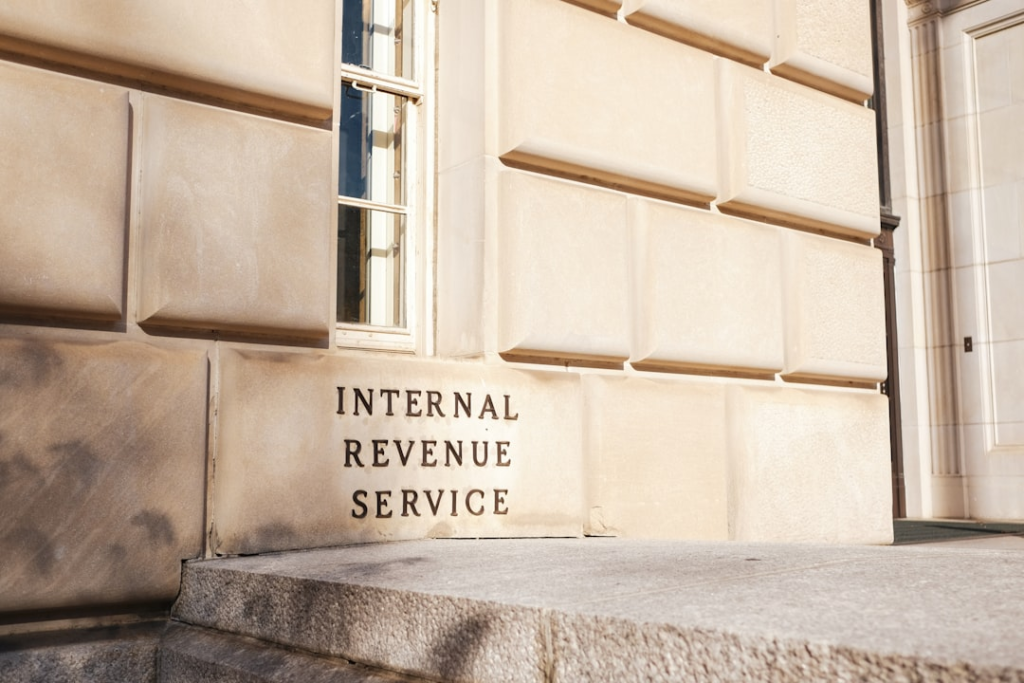
It’s been a busy year for the Internal Revenue Service.
The agency continues to feel the reverberations from COVID-19. Throughout 2021, the IRS has been distributing coronavirus-relief-related tax money, including Advance Child Tax Credit payments and refunds based on unemployment benefits adjustments.
Meanwhile, there was its main tax job. Through Oct. 22, the IRS had received almost 168 million tax returns.
The good news for the tax agency is that most of those returns — almost 152 million — arrived as e-filings, meaning the processing, at least theoretically, is easier and, again theoretically, faster.
Most taxpayers who received refunds — and yes, I know a whole lot of y’all are still waiting for your money from Uncle Sam — also got them electronically. Of the more than 128 million refunds the IRS issued by late October, more than 112 million, or just more than 87 percent, were directly deposited.
Options for unbanked: Again, delivering refunds this way is easier and faster for the IRS and taxpayers. But not every person has a bank account to which the IRS can directly deliver tax refunds.
How America Banks, the Federal Deposit Insurance Corporation’s (FDIC) latest survey of household use of banking and financial services issued in June, found that while nearly 95 percent of U.S. households had a bank or credit union account, more than 7 million households were unbanked.
That’s why the agency is recommending that folks without accounts look into getting one before the 2022 tax filing season.
Yes, I know, most banks don’t make it easy to open and maintain an account. There are way too many fees that eat into what money you let the financial institution hold.
But you might be able to find an acceptable one, and one where your tax refund could go next year when your file your 2021 tax return, by using some online tools.
Finding an account online: The FDIC’s Get Banked program offers an online guide to opening an account at one of its insured banks.
Checkless accounts are among the options, where a debit card replaces the paper checks that old fogeys (guilty!) like me use. Many FDIC-insured bank accounts also offer access via a mobile app.
The FDIC suggests you review this checklist before using its online search tool BankFind. You also can check out the lists of banks that offer accounts that can be opened online from:
If you prefer a credit union, the National Credit Union Administration website has its own credit union locator tool. You can search for a credit union by address or name, then pick one (or more) from the results to view more information.
The info will include the credit union’s charter number. Plug that into the Credit Union Locator’s companion online tool, the Research a Credit Union , for more specifics on that branch.
And if you’re a military veteran, check out the Veterans Benefits Banking Program (VBBP). This partnership between the U.S. Department of Veterans Affairs (VA) Veterans Benefits Administration (VBA) and Association of Military Banks of America (AMBA) helps veterans and their families find account options at participating banks and credit unions.
Set up your account before you file your return. Then all you have to do is enter the account and routing information on your Form 1040 and wait for your refund to be deposited, usually much sooner than snail mailed Treasury checks.
You also might find these items of interest:
- Digital IRS is costing those who can least afford it
- No bank account? Prepare to wait for COVID-19 cash
- IRS ‘Future State’ plans and service, security concerns
Advertisements