With the Delta variant fueling a resurgence of COVID-19 cases, focus has fallen on folks who are choosing not to get jabbed.
Vaccine resistors offer many reasons for not getting the shot (J&J) or shots (Pfizer and Moderna). One of them is that they can't afford to take time off work.
Uncle Sam is encouraging employers to cut their job-focused unvaccinated workers some slack. Eligible businesses who let their employees have paid time off to get the vaccine will get a tax break.
And he just expanded the situations to which the business tax credit applies.
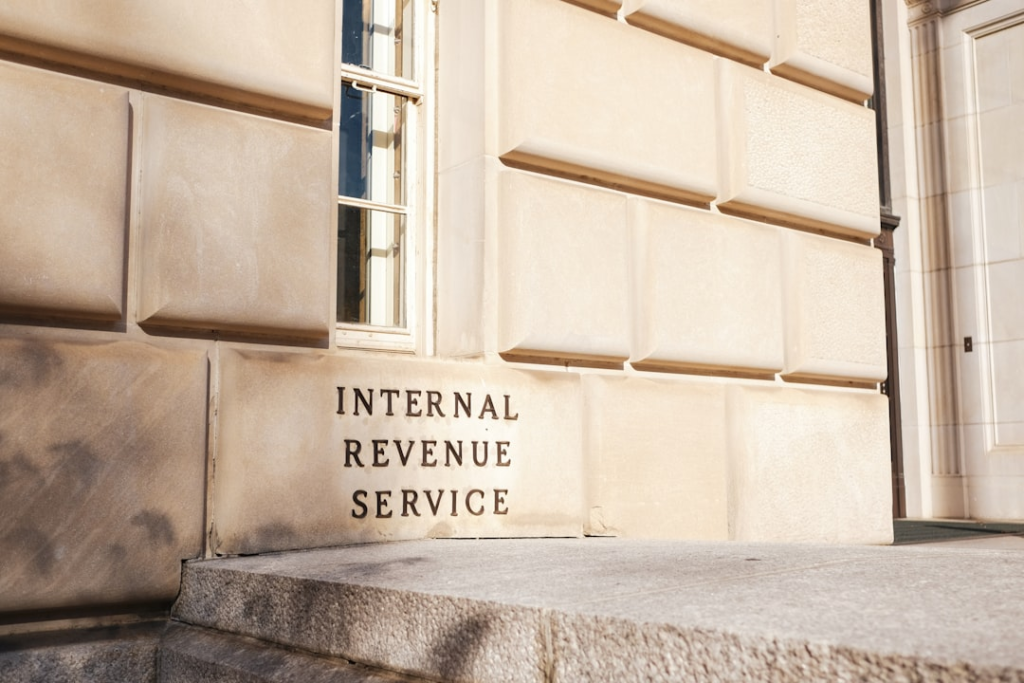
Paid COVID care related leave: The benefit first appeared in March when the American Rescue Plan Act (ARPA) became law. Now the Treasury Department and Internal Revenue Service have expanded the tax break for employers who also give workers paid time off to get their families vaccinated, too.
The original ARPA tax break rules remain. The paid leave tax credit can help offset the employer's share of payroll Social Security and Medicare taxes imposed on the qualified leave wages paid between April 1 and Sept. 30, 2021.
But now, with the new joint Treasury and IRS guidance, the time-off tax benefit applies to wider preventative measures.
The business credit also applies to workers who need to clock out to help family, household members or certain other individuals get vaccinated.
More valuable tax credit: Making the benefit a tax credit instead of a deduction is a better deal for the businesses that offer their staff paid time off for eligible COVID-related instances.
A tax credit is a dollar-for-dollar reduction of tax owed, and in this case, it's a refundable credit. Like it sounds, that means the business, after covering its tax liabilities with the credit, could get any credit excess as a refund.
So just how much of a credit might a COVID caring company get? Here's what the IRS says, along with an example:
The credits are equal to 100 percent of up to two weeks (to a maximum of 80 hours) of the qualified sick leave wages and up to 12 weeks of the qualified family leave wages (including certain collectively bargained contributions), plus allocable qualified health plan expenses, and the employer's allocable share of social security and Medicare taxes imposed on the qualified leave wages) that an Eligible Employer pays with respect to leave taken by employees beginning on April 1, 2021, through September 30, 2021.
Example: An Eligible Employer pays $10,000 in qualified sick leave wages and qualified family leave wages with respect to leave taken by an employee during the second quarter of 2021 (that is, April 1, 2021, through June 30, 2021). The Eligible Employer must withhold the employee's share of social security and Medicare taxes imposed on the $10,000 in qualified leave wages and it owes the employer's share of social security tax and Medicare tax imposed on the $10,000. The Eligible Employer is entitled to a credit equal to $10,765, which includes the $10,000 in qualified leave wages plus $620 for the employer's share of social security tax, plus $145 for the employer's share of Medicare tax. (This example does not include any allocable qualified health plan expenses or certain collectively bargained contributions.) When the Eligible Employer files its federal employment tax return for the second quarter of 2021, this amount may be applied first against the Eligible Employer's share of Medicare tax on any wages paid in the second quarter of 2021. Any credit amount in excess of the Eligible Employer's share of Medicare tax is refundable.
More credit and corona vax info: If you're a boss interested in offering the paid COVID-related leave and collecting the tax credit, you really are a Boss. Kudos and make sure you get the tax benefits.
Check out the Treasury's snapshot document of the paid leave tax break.
You also can get additional details at the IRS' special ARPA paid leave frequently asked questions page.
And if you're interested in getting a vaccine, the Centers for Disease Control (CDC) and Prevention's online search tool can help you find a vaccination location near you.
You also might find these items of interest:
- 6 small business tax breaks in current COVID relief law
- COVID tax credits highlighted by IRS during National Small Business Week
- Why tax credits rule (from Kay Bell's book "The Truth About Paying Taxes")
| Coronavirus Caveat & More Information In 2021, we all still are dealing with extraordinary circumstances, both in our daily lives and when it comes to our taxes. The COVID-19 pandemic and efforts to reduce its transmission and protect ourselves and our families means that, for the most part, we're focusing on just getting through these trying days. But life as we knew it before the coronavirus will return, along with our mundane tax matters. Here's hoping that happens soon! In the meantime, you can find more on the virus and its effects on our taxes by clicking Coronavirus (COVID-19) and Taxes. |
Advertisements