Medical concerns are top of mind for most of us right now because COVID-19. But as doctors are quick to point out, you shouldn’t let pandemic fears keep you from seeking medical help, either for less-severe ailments or regular treatments of a chronic illness.
In addition to paying attention to your and your family’s health, you also need to keep track of your medical flexible spending account (FSA).
This popular tax-advantaged workplace healthcare benefit can help pay some of your out-of-pocket medical expenses.
And your FSA focus is especially important if you’re facing an impending deadline to use the money.
Tax savings with time limits: The regular amounts that go from your paychecks to your FSA are taken out before taxes are figured, saving you a few dollars.
Then you either turn in your allowable medical receipts and get reimbursed or use the FSA card you were issued to buy the items. That’s the second tax benefit, using untaxed money to pay for the health-related products.
There is, however, a major downside to health FSAs. If you don’t use all the money by the end of your benefits year, which in most cases is Dec. 31, you lose it.
Easing access to FSAs: Luckily for FSA owners, the use-it-or-lose-it drawback has been eased a couple of ways.
One way is for companies to let employees roll over some unused FSA money into the next benefits year. The inflation-adjusted FSA carry forward amount for the 2021 tax/benefits year is $550.
Or companies can give their employees with FSAs a 2½ month grace period to use any of the account’s funds that weren’t spent by the end of the regular benefits’ year. That’s March 15 if you’re looking to mark your calendar.
Maybe March 15, maybe later: Or it may be later because, you got it, COVID-19.
The coronavirus pandemic, however, has upended FSA usage, too. But in the case of workers with FSAs, this time it’s a good disruption.
The Consolidated Appropriations Act that was signed into law on Dec. 27, 2020, included among its many coronavirus-related provisions the option for companies to extend the medical FSA grace period beyond the usual March 15 deadline.
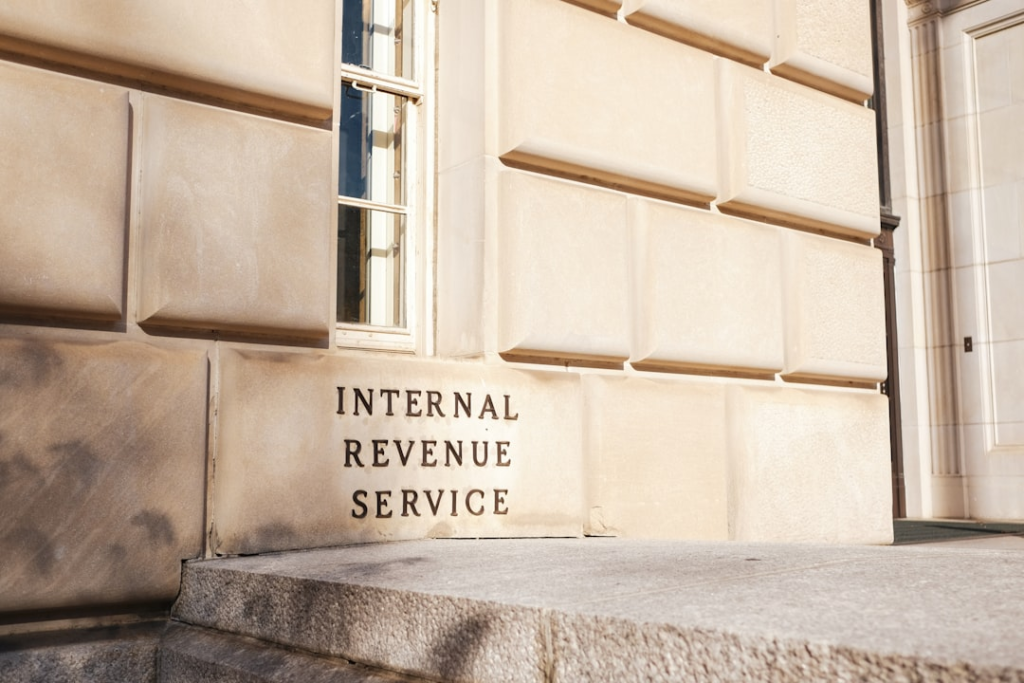
The Internal Revenue Service last month issued guidance to companies on how to make such FSA (and other benefits) changes.
The key takeaway for workers with FSAs is to check with your employer about your FSA options.
You first want to make sure that you’ve been given a grace period to spend unused 2020 medical account funds. Then you need to know exactly when that grace period ends.
If it’s still March 15, then you have time to spend unused FSA money so that it doesn’t go back into your company’s account.
Here are six easy ways to use FSA money even without a spending deadline looming.
1. Stock up on over-the-counter (OTC) medications: When the Affordable Care Act (ACA), still popularly known as Obamacare, was enacted, so was a provision to help cover its new costs. It said, starting in 2011, that medical FSA money could be used to buy over-the-counter medications only if a doctor issued a prescription for the product.
Yep, you have to get an Rx before you be reimbursed by your FSA for buying cold medications. That prescription restriction was eliminated in the Coronavirus Aid, Relief and Economic Security (CARES) Act that took effect on March 27, 2020. Now you can once again use the tax-free medical account money to cover OTC treatment costs without having to first consult your doctor.
2. Buy baby products: If your family has expanded with a new bundle of joy, your FSA can help you offset some of the many, many new costs you’ve also encountered. Baby monitors, diapers and potty-training garments and baby thermometers are among items that generally qualify for FSA reimbursement. So do items for new mothers, like breast pumps and nursing supplies. And for all women of child-bearing age, the CARES Act provision that reinstated OTC eligibility for FSA use also expanded that category to cover menstrual products.
3. Pick up a first aid kit: Since we’ve been self-isolating in our residences, many of us have come to more fully understand that old saying that most accidents happen at home. So that you can take care of those minor scrapes, use your FSA funds to purchase a well-stocked first aid kit.
4. Take care of tooth trouble: If you’ve received a COVID-19 vaccine and are comfortable going to the dentist — OK, comfortable might not be the precise word, but you get where I’m going here — then make use of your FSA here. Dental procedures are a common FSA allowance. You can use the funds for dental co-pays or out-of-pocket expenses associated with everything from basic cleanings to common procedures like filings and crowns to more elaborate dental work such as root canals and gum surgery.
5. Examine eye care options: A few workplace medical benefits include vision coverage. Many, however, do not. But you can use your FSA money to pay for basic vision needs. This includes paying for prescription contacts, eyeglasses or even sunglasses.
Note the prescription requirement. You can’t just pick up a pair of cheap shades off-the-drugstore-display so that you look as cool as that Little Ol’ Band from s ZZ Top.
6. Get a check-up: Again, as the doctors advise, even in a global pandemic, you need to take care of yourself even. In fact, it’s probably more important to do so in these trying times. So if you missed your regular annual physical due to COVID-19 self-isolation, consider seeing your doctor or specialist now. Your FSA money will help you meet any copays or new prescriptions your exam might necessitate.
Don’t give back your FSA money: The main thing is to act and before your FSA usage deadline passes.
Whatever that grace period end date, if you don’t spend your FSA funds by then on allowable items, your boss gets to keep your money.
You already give enough of yourself to your job. You definitely don’t want it getting your FSA money, too.
You also might find these items of interest:
- 10 unusual but allowable FSA expenditures
- 8 ways to use medical FSA money by Dec. 31
- 10 ways FSA/HSA funds can help you cope with COVID-19
| Coronavirus Caveat & More Information In 2021, we all still are dealing with extraordinary circumstances, both in our daily lives and when it comes to our taxes. The COVID-19 pandemic and efforts to reduce its transmission and protect ourselves and our families means that, for the most part, we’re focusing on just getting through these trying days. But life as we knew it before the coronavirus will return, along with our mundane tax matters. Here’s hoping that happens soon! In the meantime, you can find more on the virus and its effects on our taxes by clicking Coronavirus (COVID-19) and Taxes. |
Advertisements