

Small businesses always face a lot of challenges. This year, with the coronavirus pandemic posing myriad new operational and financial problems, things are even more difficult.
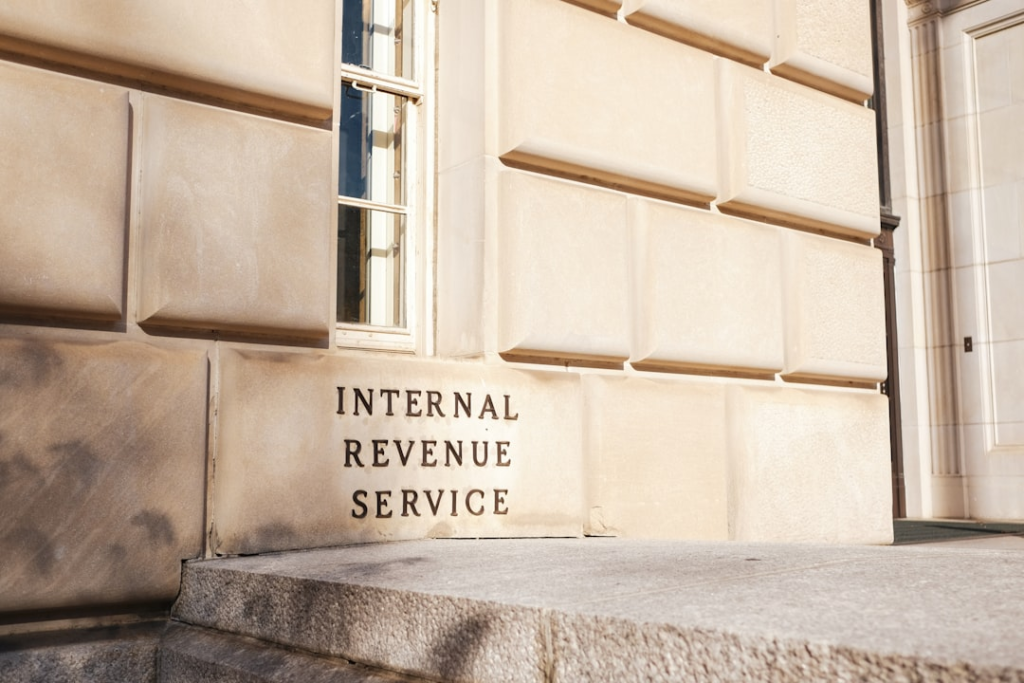
During the Small Business Administration’s (SBA’s) celebration of this year’s National Small Business Week, which runs through Sept. 26, the Internal Revenue Service has been highlighting some tax breaks for these companies.
Key among those breaks are credits that can help smaller employers. Tax credits are particularly welcome because they provide dollar-for-dollar tax savings.
As part of this week’s recognition of small businesses, the IRS is reminding owners and self-employed individuals of several employer tax credits that were specially created to help them cope during this time of extraordinary COVID-19 demands.
Here’s a quick look at the Employee Retention and Paid Sick and Family Leave tax credits.
Employee Retention Credit
The Employee Retention Credit is designed to encourage businesses to keep employees on their payroll.
This refundable tax credit, which means it could produce a tax refund if there’s more credit than tax liability, is 50 percent of up to $10,000 in wages paid by an eligible employer whose business has been financially impacted by COVID-19.
The credit is available to all employers regardless of size, including tax-exempt organizations.
The only two entities that don’t qualify for the Employee Retention Credit are state and local governments and their instrumentalities and small businesses who take small business loans.
Qualifying for the employee retention credit: To qualify for this tax credit, an employer must fall into one of two categories:
- The employer’s business is fully or partially suspended by government order due to COVID-19 during the calendar quarter.
- The employer’s gross receipts are below 50 percent of the comparable quarter in 2019. Once the employer’s gross receipts go above 80 percent of a comparable quarter in 2019, they no longer qualify after the end of that quarter.
Employers will calculate these measures each calendar quarter.
Paid Sick Leave Credit and Family Leave Credit
The Paid Sick Leave Credit is designed to allow business to get a credit for an employee who is unable to work because of a coronavirus quarantine or self-quarantine or because the employee has virus symptoms and is seeking a medical diagnosis. This also covers teleworkers.
Qualified employees are entitled to paid sick leave for up to 10 days (up to 80 hours) at the employee’s regular rate of pay up to $511 per day and $5,110 in total.
An employer also can receive the credit for employees who are unable to work due to caring for someone with coronavirus. This care provision al so applies to workers who can’t work because they are caring for a child because the child’s school or place of care is closed or the paid childcare provider is unavailable due to the coronavirus.
These employees who are dealing with caregiver issues are entitled to paid sick leave for up to two weeks (up to 80 hours) at two-thirds of their regular rates of pay or, up to $200 per day and $2,000 in total.
Employees are also entitled to paid family and medical leave equal to two-thirds of the employee’s regular pay, up to $200 per day and $10,000 in total. Up to 10 weeks of qualifying leave can be counted towards the Family Leave Credit.
Claiming the sick leave/family care credit: The refundable leave and/or care credit is applied against certain employment taxes on wages paid to all employees.
Employers can be immediately reimbursed for the credit by reducing their required deposits of payroll taxes that have been withheld from employees’ wages by the amount of the credit.
Eligible employers also are entitled to immediately receive a credit in the full amount of the required sick leave and family leave, plus related health plan expenses and the employer’s share of Medicare tax on the leave, for the period from April 1 through Dec. 31 of this year.
The qualifying wages and the related health insurance costs for each quarter should be reported by the employer on quarterly employment tax returns or Form 941 beginning with the second quarter.
If the employer’s employment tax deposits are not sufficient to cover the credit, the employer may receive an advance payment from the IRS by submitting Form 7200, Advance Payment of Employer Credits Due to COVID-19. Eligible employers also can request an advance of the Employee Retention Credit by submitting Form 7200.
You can find more on the these two small business tax COVID-19 credits at the IRS’ online Employee Retention Credit FAQs and Paid Family Leave and Sick Leave FAQs web pages.
You also might find these items of interest:
- Drought-stricken ranchers & farmers get livestock forced-sale tax relief
- No 1099-C for forgiven PPP loans, but this tax form still issued in other taxable canceled debt cases
- Home office tax deduction still available, just not for COVID-displaced employees working from home
| Coronavirus Caveat & More Information In 2020, we’re all dealing with extraordinary circumstances, both in our daily lives and when it comes to our taxes. The COVID-19 pandemic and efforts to reduce its transmission and protect ourselves and our families means that, for the most part, we’re focusing on just getting through these trying days. But life as we knew it before the coronavirus will return, along with our mundane tax matters. Here’s hoping that happens soon! In the meantime, you can find more on the virus and its effects on our taxes by clicking Coronavirus (COVID-19) and Taxes. |
Advertisements
🌟 Search Amazon Business and Money Books 🌟
The text link above is an affiliate ad. If you click through and then buy a product, I receive a commission.
Brogan McLauchlan
I like reading your article. I like the way you have explained everything. thanks for sharing great information with us. keep sharing.
enviro globe radiation protection
Comments are closed.