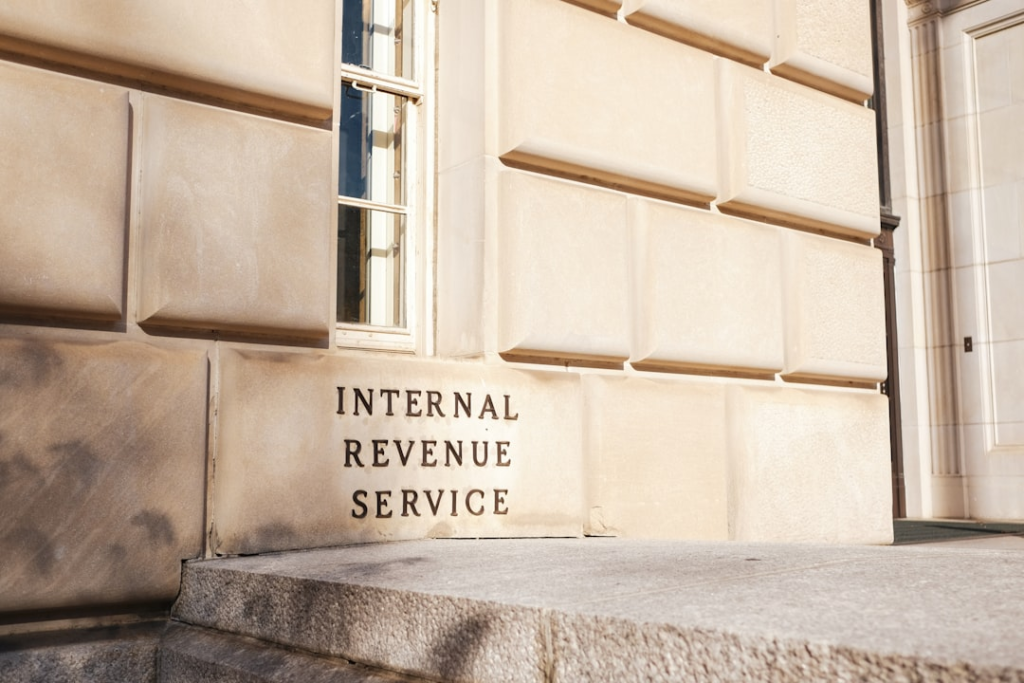
Looking for some weekend or beyond tax reading? Then check out the latest Internal Revenue Service Research Bulletin.
Notice that I didn't say light tax reading.
This collection of papers presented last June at the 9th Annual Joint Research Conference on Tax Administration, an event cosponsored by the IRS and the Urban-Brookings Tax Policy Center, is 252 pages. And some of the topics can be dense.
The presenters and attendees at the 2019 conference, both in persona and online, included researchers from many areas of the IRS, officials from other government agencies and academic and private sector experts on tax policy, tax administration and tax compliance.
Essentially, a tax geek's heaven.
Among the conference features were sessions on tax administration and compliance, the influence of external factors on compliance, ways to improve the digital taxpayer experience and understanding the drivers of taxpayer behavior.
Positive audit burdens: In the compliance area, one thing that definitely affects taxpayer behavior is a tax audit.
That's why the paper that immediately caught my eye was the one by Amy Hageman of Kansas State University, Ethan LaMothe of the University of South Carolina and Mary Marshall of Louisiana Tech University.
The analysis of the paper aside, this trio has mastered the art of attention-grabbing titling. Their presentation is "The Positive and Negative Effects of Burdensome Audits."
Admit it. You want to read it, too, to find out just what constitutes a positive effect of a burdensome audit.
Here's a preview (cites omitted):
Prior research suggests experiencing an audit influences subsequent compliance behavior and higher penalty rates should lead to higher levels of compliance. As a result, a higher level of audit burden may be viewed as beneficial to the extent it reinforces the perceived costs of noncompliance.
However, audit burden is not a penalty for noncompliance per se because it is experienced by all audited taxpayers, irrespective of their chosen compliance level. Whereas only noncompliant individuals (hereafter "evaders") incur penalties for noncompliance, both compliant individuals (hereafter "compliers") and evaders can experience audit burden. Prior research indicates not all individuals who undergo an audit are evaders. In fact, Internal Revenue Service (IRS) data suggest at least 13–15 percent of audited taxpayers made appropriate compliance choices or even overpaid their tax liability. Audit burden may therefore have unintended effects on the choices of compliers after an audit.
Other data-driven works: If audits aren't your thing, there are 10 other papers you can peruse in the Research Bulletin, which is officially IRS Publication 1500, and is this week's early Friday-instead-of-Saturday Shout Out.
You also can see the papers and go directly to the ones you want to read (and other related material) at the IRS' special web page on the conference.
Happy weekend and beyond reading!
You also might find these items of interest:
- Tax audits drop, according to latest IRS data
- Wealthier taxpayers are new IRS in-person audit targets
- IRS conducting in-person tax compliance visits in 3 states
Advertisements