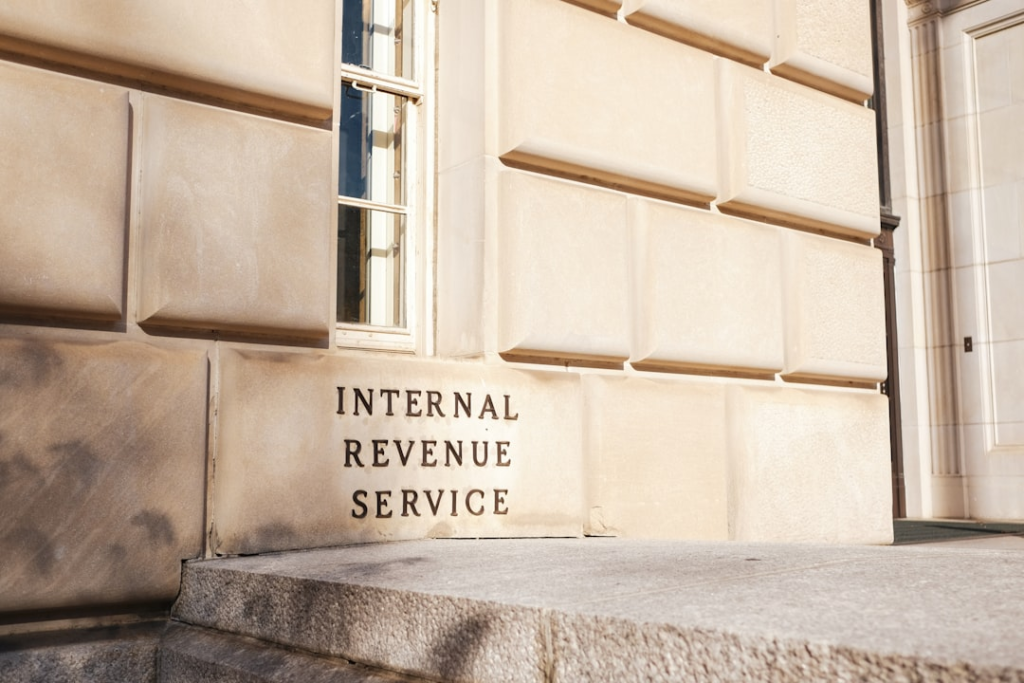
The COVID-19 economic relief payment checks really are in the mail.
That means a whole new slew of coronavirus scams also are showing up via phone calls, as well as in people's mail boxes, both electronic and real-life curbside ones.
Since millions of actual paper COVID-19 relief checks are being snail mailed, the U.S. Postal Inspection Service (USPIS) is involved in the scam-fighting efforts. These law enforcement officers are joining other federal officials in tracking down and stopping pandemic-related economic relief payment scams.
That's why the Post Office and its inspectors are Sunday Shout Out #1 on this weekend's look at warning about coronavirus check (and other) scams.
Postal precautions: Andrea Avery, a Postal Inspector and National Public Information Office for the agency, tells us more in the video below about COVID-19 payment scams and how to avoid them.
Here are four common coronavirus scams that Avery and the Postal Service are seeing:
- Your check is waiting. Here crooks say they'll send you your coronavirus money. All you have to do is, you guessed it, provide some personal info.
- Here's your stimulus check. Scammers are sending out bogus checks. Hello, mail fraud. These fake financial documents and the related schemes take many forms. In one version of this rip-off, crooks issue a check that pays an odd amount and tell the recipient to call a number or verify personal and bank information online in order to cash it.
There are ways to be sure
your COVID-19 economic relief
Treasury check is legit. Check them out
in my (shameless Sunday Shout Out #2) blog post
on special features on the coronavirus check.In another version, the crooks tell the people to whom they send fake checks to cash them. Then the con artists inform their targets that the check amount is too much. The recipients, the crooks say, need to send the overpaid portion back.
Don't. Don't cash the check. Don't send money to the con artists. Don't fall for any of the Federal Trade Commission's (FTC) fake check scam variations (Sunday Shout Out #3) that might be used in connection with the COVID-19 payments.
- Treasury or other government officials offer to help. Just like the pervasive fake Internal Revenue Service agent phone call con, these crooked coronavirus payment impersonators pretend to be from the Treasury Department or IRS or Social Security Administration. They say they can help you get a bigger check or get you your relief payment more quickly.
They can't because they are not real government officials. Don't give them any personal information. Definitely do not send them any money for their purported help. You don't have to pay a processing fee (or even any taxes) in order to obtain the COVID-19 relief stimulus payment.
If you receive a call asking for personal information or for money to obtain the stimulus, hang up. In fact, don't talk to these con artist callers at all. Hang up. Ignore any messages left in your voice mail box.
- Click here to get your stimulus check. No. Do not click anything. Those URLs provided in unsolicited phishing emails go to fake websites. Yes, the web pages often do look remarkably legit, but they really are criminal gateways to your personal and financial life. And they are cropping up like weeds now that the COVID-19 economic relief payments are being distributed.
Checkphish by Bolster, which tracks web fraud and offers services to deal with it, has created (Sunday Shout Out #4) a COVID-19 (Coronavirus) Phishing Scam Tracker Global Online Dashboard. As of today (April 25, 2020), the company has recorded what it categorizes as 193,994 confirmed coronavirus-related scams. If you click on any of them, all you'll get is malware.
Months of scams ahead: Since the COVID-19 economic relief payments will continue through the end of this year, expect these coronavirus stimulus scams to be around that long, too.
Also expect new ones to appear, since COVID-19 con artists, like tax and other scammers, are constantly adapting their techniques to entrap as many victims as possible.
Don't become one of them.
It's easy to be accepting of money you know is on the way, especially when health and economic conditions that have converged in the coronavirus crisis have created financial hardship for so many. But be careful.
Also be skeptical. The adage "If something appears too good to be true, it probably is" definitely applies here. If you have any doubts about a payment, go directly to the source, which in the case of coronavirus relief payments is the IRS, the federal agency tasked with distributing the money.
Finally, stay alert. The Postal Inspection Service's special web page on Coronavirus/COVID-19 Related Scams can help you stay up to date on the criminal cons related to this health and financial crisis.
And keep checking the ol' blog. I'll let you know when new tax and coronavirus scams appear. It probably will be soon.
You also might find these items of interest:
- 6 ways to avoid being a tax scam victim
- TIGTA joins chorus warning of COVID-19 payment scams
- COVID payments are on the way. So are related tax scams
| Coronavirus Caveat & More Information In 2020, we're all dealing with extraordinary circumstances, both in our daily lives and when it comes to our taxes. The COVID-19 pandemic and efforts to reduce its transmission and protect ourselves and our families means that, for the most part, we're focusing on just getting through these trying days. But life as we knew it before the coronavirus will return, along with our mundane tax matters. Here's hoping that happens soon! In the meantime, you can find more on the virus and its effects on our taxes by clicking Coronavirus (COVID-19) and Taxes. |
Advertisements