

It's back and, for many, it's better than ever.
It is the Internal Revenue Service's Get My Payment online search tool. And technically, it never went away. It just seemed nonexistent to those who weren't able to make it work.
But now, says the IRS, it has improved its online tool designed to help individuals find out whether they would be getting a COVID-19 economic relief payment.
Plus, if the IRS didn't have your bank data, it now should be easier for folks to use Get My Payment to provide that information.
Early access roadblocks: That's great news for folks eager for information about the government relief authorized under the Coronavirus Aid, Relief and Economic Security (CARES) Act.
The payments — up to $1,200 per individual and $500 for each qualifying dependent child — are to help the millions of folks who lost their jobs when their employers closed businesses as a pandemic precaution.
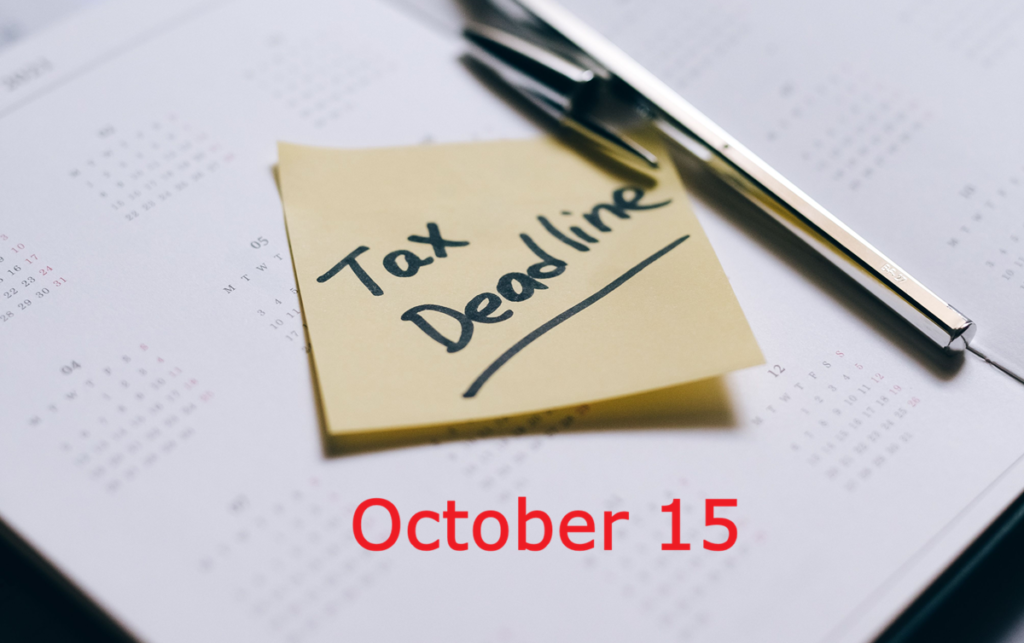
Unfortunately for many of us, the Get My Payment version that debuted on April 15 (the traditional Tax Day that's now pushed to July 15), was, shall we say, a bit buggy.
Initially, a lot of folks, me included, couldn't get squat from Get My Payment.
If were able to make it a bit deeper into the tool, it wouldn't let us provide bank account information so that our payment would be delivered in the quicker and safer direct deposit form.
Understandable issues: I know I was, shall we say, cranky, about Get My Payment's problems. But I admit the IRS was doing the best it could under extraordinary conditions.
The COVID-19 economic relief payment distribution job was dropped on the IRS out of the blue and in the midst of a tax season in which the illness has disrupted the way it, like other government and private enterprises nationwide, usually does business.
Then there are the sheer numbers. The IRS was dealing with around a 150 million tax returns for each of the 2018 and 2019 tax years that are being used to calculate coronavirus payment amounts.
As we all know, tax filings are unique to everyone's financial and personal circumstances. That means there are about 149 million individual considerations. It's hard to come up with an online app to handle such variables, at least on such a fast development track.
After a brief interlude of denial (I'll leave you to your own speculation on what or who prompted the "it's working fine" announcement), the agency started tweaking Get My Payment.
New and improved: On Sunday, the IRS announced that it had completed "significant enhancements" to the online coronavirus payment tool that now should "deliver an improved and smoother experience for Americans eligible to receive Economic Impact Payments."
"These further enhancements will help even more taxpayers," noted IRS Commissioner Chuck Rettig in announcing the updates and lauding his staff for "work[ing] long hours to deliver Get My Payment in record time."
The commish also urged people who haven't received a payment date yet to give the online tool another chance. Specifically, Rettig wants more of us to take advantage of direct deposit of the payments by entering that information into Get My Payment.
Personal COVID tracking success: I personally took Rettig's remarks to heart this morning and, despite being stymied in my earlier Get My Payment attempts, am pleased to tell you that my latest try was successful.
Get My Payment knew that the hubby and I are due a payment, but the agency apparently hasn't processed our 2019 return. It required that I use our 2018 filing data before it acknowledged we'll get some coronavirus cash.
And although we got a direct deposit tax refund that year, Get My Payment didn't remember that. It prompted me to enter our bank's routing and our personal account numbers. Done. So at least we're in that automatic payment, instead of paper check, queue.
Eva Rosenberg, an Enrolled Agent known by her fans on #TaxTwitter as @TaxMama, reports that she, too, also finally had Get My Payment success. She also shared these tips (via her email newsletter) on using the online COVID-19 stimulus tool:
- Don't enter your address EXACTLY as it appears on your tax return. We use a P.O. Box – should have entered it without the periods, as PO Box. That worked.
- All you responsible taxpayers who applied your 2018 refund to 2019, so you don’t have a bank account listed – enter ZERO as your refund.
If you had Get My Payment problems earlier, I join Commissioner Rettig in suggesting you try it again. It does look like that, as the commish said, the recent upgrades will help even more taxpayers. Many should be able, like I did, to add direct deposit information so that they, too, get payments more quickly.
You can read more about my frustrating first Get My Payment attempts in my post detailing the tracker's out-of-the-gate troubles. I'm not suggesting you go there just to read my sad story, but also because it offers a step-by-step look at the tool (found on IRS.gov) and what you need to have in hand before you use it.
Good luck. I'm keeping my fingers crossed for you!
You also might find these items of interest:
- 6 ways to know your COVID-19 check is real
- Don't fall for these 4 common COVID-19 payment scams
- 88.1 million have received COVID-19 payments, says IRS
| Coronavirus Caveat & More Information In 2020, we're all dealing with extraordinary circumstances, both in our daily lives and when it comes to our taxes. The COVID-19 pandemic and efforts to reduce its transmission and protect ourselves and our families means that, for the most part, we're focusing on just getting through these trying days. But life as we knew it before the coronavirus will return, along with our mundane tax matters. Here's hoping that happens soon! In the meantime, you can find more on the virus and its effects on our taxes by clicking Coronavirus (COVID-19) and Taxes. |
Advertisements
Rosalyn Price
What happens if you’ve changed accounts since first stimulus payment?