One of my previous jobs was an office manager. I was in charge of reviewing expenditures before they were approved and then making sure they were paid once the services were provided.
Every month or so I'd get an invoice for some office supplies. Every month I threw it in the trash.
It was from a scam company that tried to sneak the paperwork into my to-pay file. Occasionally, people representing these "suppliers" would call about the allegedly overdue bill. When I told them I had forwarded the bill to our legal department, they quickly hung up.
That was 30 years ago. This scam of sending unvoices — a portmanteau word for invoices of unordered goods — is still going on.
The Federal Trade Commission (FTC), however, has made a dent in the latest batch of unvoices.
Refund checks for scam victims: Late last month, the FTC starting mailing 29,333 refund checks totaling more than $11.6 million to small businesses and other organizations that were defrauded by a Maryland-based office supply operation.
The average check amount is $396.
The checks are the final step in the U.S. District Court for the District of Maryland's judgment, handed down in the summer of 2016 and resulting the next year in settlement or default orders against all the defendants on the FTC fraud charges.
The checks are issued by Epiq, the refund administrator for this matter.
If you do get one of the refunds, the FTC says you need cash it within 60 days, as indicated on the check. Also, notes the agency, the FTC never requires consumers to pay money or provide information to cash refund checks.
If you have any questions about the mailing, you can 1-855-424-2580.
Similar scamming techniques: The specifics of this latest iteration of unvoices in my old Maryland stomping grounds brought back memories of the scheme I encountered decades ago.
The FTC says the scam operation, which used names such as Midway Industries and Standard Industries, tricked companies and nonprofits into paying for light bulbs and cleaning supplies they never ordered. scam.
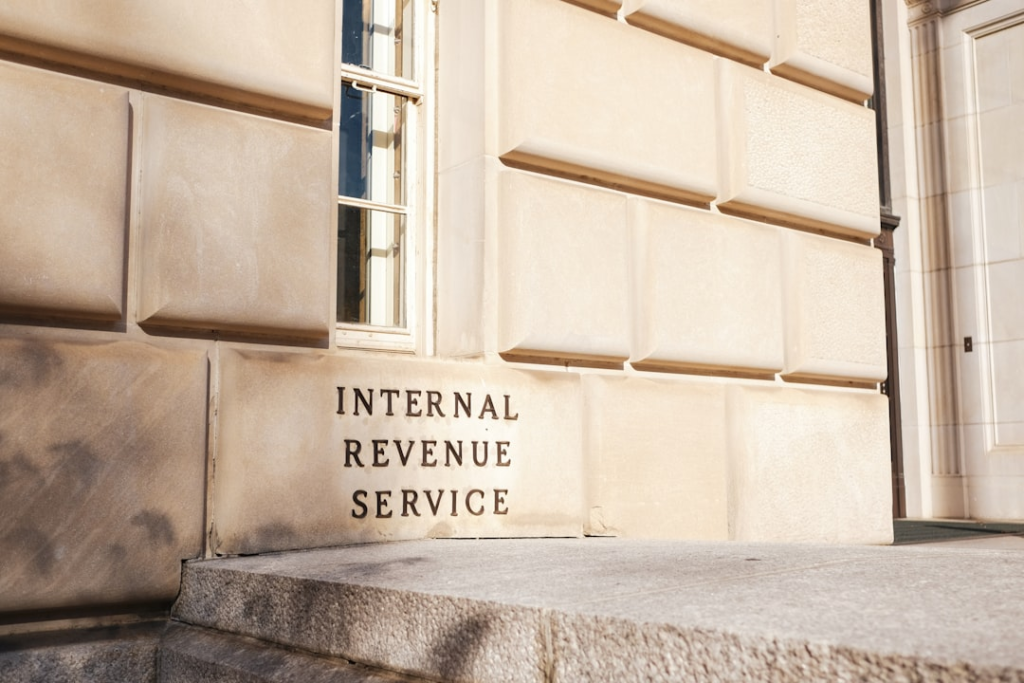
The FTC points out that the false company names are similar to those of legitimate businesses. That's a technique that all types of scammers use (note the Internal Revenue Service impersonators' tax scams), hoping that their targeted victims have heard the real names and assume it's a call from genuine sellers.
In the scams, however, folks representing the fake companies called small businesses, government agencies and charities.
They schmoozed the answering victims, usually telling the unsuspecting employee who picked up the phone that they'd done business with the company before. Then they would say things like "We just need to confirm your address," "We're following up on a previous order" or "We'd like to offer you a free sample (or catalog or gift)."
The scammers also often asked for the employee's name and contact information so they could use that info later in the scheme.
Issuing the fake invoice: The next scam step was issuing the unvoice itself.
This fake billing document, typically seeking payment for products businesses tend to use regularly such as light bulbs or cleaning products, would list the name of the employee who had spoken to the scammers as the one who placed the order.
Seeing the familiar name, the person responsible for paying the bills would typically send a check, unaware that the merchandise was unordered.
When the scam worked, the FTC notes that the scammers used a lather-rinse-repeat approach to target the conned company again and again, sometimes hitting the same target using different names.
In cases where companies balked at paying for the unordered products, the scammers would claim to have an audio verifying the order, although they wouldn't play it for the victimized company's representative.
As a different tack, the scammers would offer exasperated business owners the option to pay a discounted amount just to put an end to the annoying episode.
Preventing B2B scams: Similar business-to-business (B2B) have resulted in multimillion-dollar judgments, millions paid back to defrauded businesses, lifetime telemarketing bans and even jail time for certain kingpins, says the FTC.
These B2B scams also underscore the need for every company to be on guard against such schemes.
One of the best ways is to keep good business records.
Long-time readers of the ol' blog already know that solid and separate business record keeping is critical to ensuring you don't overpay your annual tax bill.
Such attention to company expenditures also will protect you from scams like the unvoice one.
The FTC also has a brochure Scams and Your Small Business (also available in Spanish) that suggests steps you can take to keep your guard up.
Take a look and make sure your all your employees, not just those with bill paying responsibilities, know what to watch out for, too.
You also might find these items of interest:
- 4 tax tips for new businesses
- Dealing with deadbeat clients
- 5 tax record keeping questions … and answers!
Advertisements