Federal judge Brett Kavanaugh was tapped last night (July 9) by Donald J. Trump to replace retiring Justice Anthony Kennedy on the Supreme Court Supreme Court of the United States (SCOTUS)
Kavanaugh, 53, has served on the D.C. Circuit Court of Appeals since 2006, a position for which he was nominated by the last Republican Oval Office occupant, President George W. Bush.
Like Trump's prior Supreme Court justice nominee, Neil Gorsuch, Kavanaugh clerked for Kennedy.
Much already has been written about Kavanaugh's long history on the bench, as well as his role as a senior official in President George W. Bush's administration.
But what of his legal take on taxes?
Tax pros' proponent: Joseph Bishop-Henchman has a nice overview of Kavanaugh's tax (and more) positions as part of a pre-nomination post at the Tax Foundation's blog.
One case that did not make that list, however, is near and dear to many tax preparers' hearts.
In 2013, Kavanaugh became a hero to many independent tax preparers.
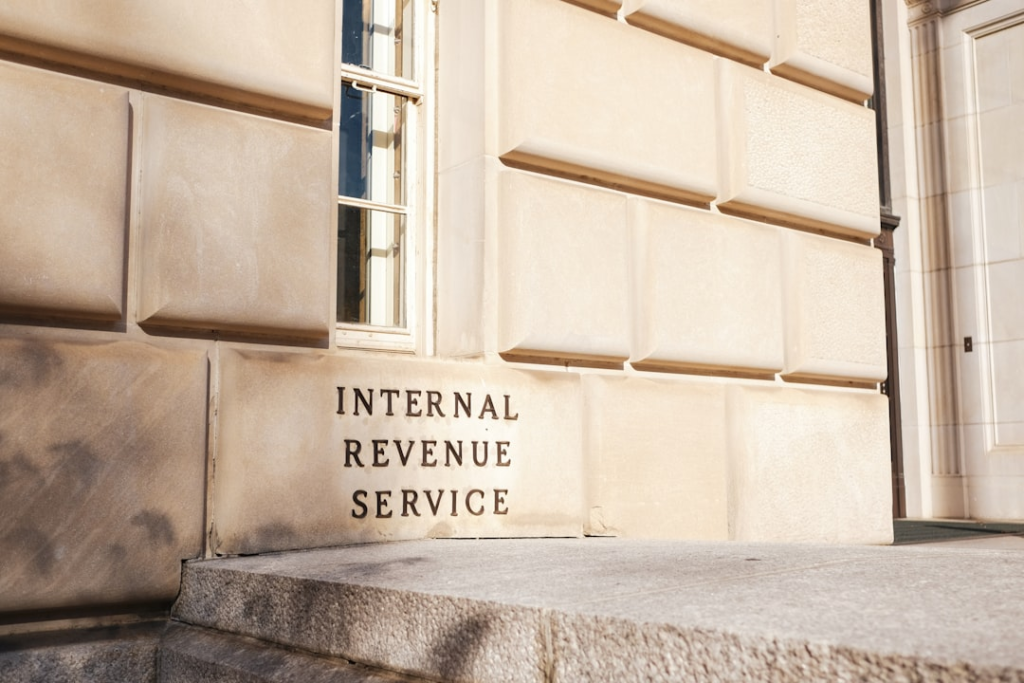
In Loving v. IRS, the D.C. court on which Kavanaugh serves ruled that the Internal Revenue Service exceeded its statutory authority when it attempted to regulate tax preparers.
"It might be that allowing the IRS to regulate tax return preparers more stringently would be wise as a policy matter," Kavanaugh wrote in his majority opinion in Loving. "But that is a decision for Congress and the President to make if they wish by enacting new legislation."
The Loving decision was instrumental in stalling the IRS long-sought goal of creating a comprehensive oversight system of paid tax professionals. Instead, it revised its regulatory efforts to a voluntary system, which is still in place.
And, as Kavanaugh suggested, the IRS since has been trying to drum up enough Capitol Hill support to get the court-cited requisite Congressional authority to regulate tax pros.
The Trump Administration seems to agree with the IRS here. As part of its Fiscal Year 2019 budget proposal, it asked for funds for increased oversight of paid tax preparers.
The budget proposal recycled IRS arguments, noting that since taxpayers are increasingly turning to paid tax return preparers, regulations would ensure that these preparers understand the tax code and provide high quality service. Plus, noted the proposal, such regulation would prevent unscrupulous tax preparers from exploiting the system and vulnerable taxpayers.
Early and key ACA decision: The legal, and tangentially tax, issue for which Kavanaugh is getting most attention, however, is his role in a challenge to the minimal essential coverage (MEC) component of the Affordable Care Act, still referred to by many as Obamacare.
The MEC provision, which also is known as the individual mandate and which is still in effect, requires individuals to have at least a specified level of medical insurance or pay for any lack thereof when they file their tax returns.
In Seven-Sky v. Holder, opponents of the MEC requirement argued that, under the Constitution's Commerce Clause, Congress did not have the authority to force such actions of individuals. They also contended that the requirement was a burden on their religious rights under the Religious Freedom Restoration Act (RFRA).
The ACA provision was upheld in lower court and affirmed by the D.C. appeals court on which Kavanaugh sits.
Kavanaugh, however, also wrote separately that the court could not even hear the case until someone paid the individual mandate and then sued for a refund. Kavanaugh's concurring opinion has been characterized by some as the new SCOTUS nominee agreeing to the constitutionality of the ACA.
Josh Blackman, however, says not so.
ACA constitutionality prognosticator: Blackman, a constitutional law specialist and associate professor of law at the South Texas College of Law in Houston, says Kavanaugh's opinion "involved a fairly intricate application of the Tax Anti-Injunction Act."
More importantly, Blackman writes on his blog, Kavanaugh's opinion underscores his view on, in the judge's own words, "courts of judicial restraint. It's a delicate act to declare an Act of Congress unconstitutional."
Kavanaugh also noted in that opinion that a "minor tweak to the current statutory language would definitively establish the law's constitutionality under the Taxing Clause (and thereby moot any need to consider the Commerce Clause)."
Coincidentally, or not, that observation was part of the argument the Obama Administration used in successfully defending its health care tax-not-tax argument before the Supreme Court.
Not a slam-dunk confirmation: So a pick by a Republican president of a judge who previously worked closely with another GOP commander in chief should make Kavanaugh a sure thing for confirmation by a majority Republican Senate, giving the country's highest court a presumably solid 5-4 conservative majority, right? Maybe.
The White House is touting the support Kavanaugh is getting from GOP House and Senate members. But before the announcement, Senate Republican leadership reportedly expressed some concern about Kavanaugh's experience.
With such a deep documented history, both on the bench (he authored more than 300 opinions on the D.C. appellate court alone) and as a senior official in Bush 43's White House, there's some trepidation about the ammunition there that opponents could use to drag out his confirmation (or beyond in political election battles).
And the concern is bipartisan.
Democrats will focus on Kavanaugh's abortion and healthcare rulings. But some of the more-conservative members of the GOP don't believe he's far right enough. They point to not only Kavanaugh's role in letting the ACA remain in place, but also his close ties to the establishment wing of their party.
Trump potential legal troubles: Then there's Kavanaugh's 2009 Minnesota Law Review article in which he argued that criminal investigations against the president should be deferred while the commander in chief is in office.
"The indictment and trial of a sitting President, moreover, would cripple the federal government, rendering it unable to function with credibility in either the international or domestic arenas," Kavanaugh wrote. "Such an outcome would ill serve the public interest, especially in times of financial or national security crisis."
Some of the more cynical political wonks and legal eagles see Kavanaugh's selection as much a personal and political ploy as a jurisprudence decision. They say he will help make the High Court more favorable for Trump should anything come from the ongoing investigations by Special Counsel Robert Mueller.
Judge announces independence: Kavanaugh, however, said during his public introduction as the possible next Supreme Court justice that he's going to follow his mother's advice.
"My mom was trail-blazer. When I was 10, she went to law school and became a prosecutor. My introduction to the law came at our dinner table when she practiced her closing arguments. Her trademark line was 'Use your common sense. What rings true; what rings false.' That’s good advice for a juror and a son," he said.
"My judicial philosophy is straightforward," added Kavanaugh. "A judge must be independent and must interpret the law and not make the law. A judge must interpret statutes as written. A judge must interpret the Constitution as written, informed by history and tradition and precedent."
You also might find these items of interest:
- Supreme Court's second OK of Obamacare ends legal, not political fights
- SCOTUS kills Quill, giving states more leeway to collect sales tax on online purchases
- Supreme Court's sports gambling ruling expected to lead to more nationwide betting & tax collection