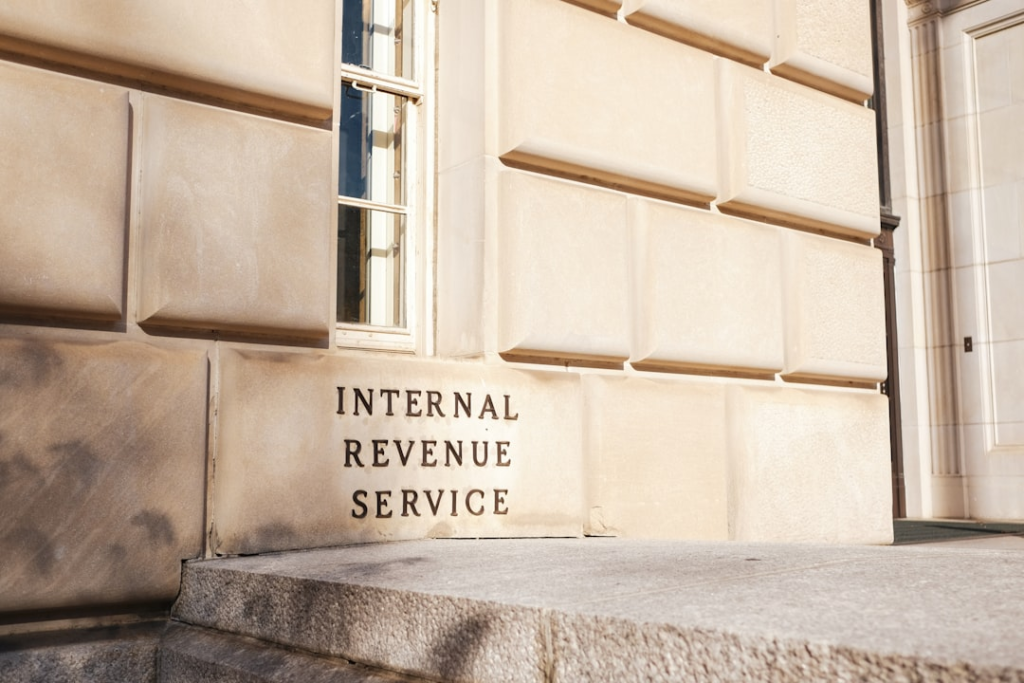
The annual tax filing due date is the big day each April. Instead of falling on the usual April 15, the deadline for getting your taxes to the Internal Revenue Service this year (2017) is April 18.
But some older taxpayers, specifically that first big batch of Baby Boomers who turned 70½ last year, are facing a key April 1 tax deadline.
UPDATE, Nov. 9, 2020: A provision of the Setting Every Community Up for Retirement Enhancement Act of 2019, or SECURE Act, changed the age that triggers RMDs. Instead of at age 70½, you can wait to take money from your tax-deferred retirement accounts until you turn 72. Also, due to the economic distress caused by the COVID-19 pandemic, the RMD for 2020 was waived.
The SECURE Act, however, still gives you the option to delay your first RMD until April 1 of the year following the year in which you celebrated your 72nd birthday. No kidding. Note that this initial RMD delay is an option, not a requirement.
If you miss the April deadline (or any subsequent year-end deadline), you'll face a substantial penalty. You'll owe a 50 percent tax on the amount you should have taken out of your affected accounts. Plus, you'll still have to pull that money out and pay the regular tax you owe and late charges for not doing so by April 1. Again, no kidding.
And remember, if you didn't take your RMD by last Dec. 31, in addition to the postponed withdrawal you must make in the next few days, you'll also have to take your 2017 RMD by the end of this year.
This April RMD is for last year and the next one is for this year. Miss the second RMD and you'll face the same 50 percent penalty on that money.
Beyond the basics of RMDs, many older taxpayers have lots of questions. Here are five commonly asked required withdrawal queries.
1. What types of retirement plans require minimum distributions?
You generally have to start taking withdrawals when you reach age 70½ from your traditional IRA and other IRA-based plans such as SEPs, SARSEPs and SIMPLE IRAs. The RMD rules also apply to all tax-deferred employer sponsored retirement plans, including profit-sharing plans, 401(k) plans including Roth 401(k)s, 403(b) plans and 457(b) plans. Note, however, that Roth IRAs do not require withdrawals until after the death of the owner.
2. How is the amount of the required minimum distribution calculated?
Generally, a RMD is determined for each account by dividing the prior Dec. 31 balance of that IRA or retirement plan account by a life expectancy factor that Internal Revenue Service publishes in three tables in Publication 590-B, Distributions from Individual Retirement Arrangements (IRAs).
- Joint and Last Survivor Table is used if the sole beneficiary of the account is your spouse and your spouse is more than 10 years younger than you.
- Single Life Expectancy Table is used if you are a beneficiary of an account, e.g., an inherited IRA.
- Uniform Lifetime Table is used if your spouse is not your sole beneficiary or your spouse is not more than 10 years younger than you.
You use the table that applies to your situation. The most commonly used table is the Uniform Lifetime Table. Click on over to the ol' blog's reproduction of the current Uniform Lifetime Table to see how it works. That calculation tool will change in 2022, as noted in my post on the updating of these tables, which also has some additional RMD information.
And remember that this is the minimum amount you must take out. You can always withdraw more if you need or want the money.
3. Can an account owner just take a RMD from one account instead of separately from each account?
You must calculate the RMD separately for each IRA that you own. However, you can withdraw the total amount due from just one of the affected IRAs. Similarly, a 403(b) contract owner must calculate the RMD separately for each 403(b) contract that he or she owns, but can take the total amount from one or more of the 403(b) contracts. But if you have other types of retirement accounts, such as 401(k) and 457(b) plans, these RMDs must be taken separately from each of those plans.
4. How are RMDs taxed?
Your retirement money is in an investment vehicle, so you'd think that your withdrawals would be taxed at the lower capital gains tax rates. You'd be wrong. Your RMDs are taxed at your regular income tax rate. The good news is that it's probably a lower tax rate than when you were working and starting stashing money into retirement plans.
5. If you take out more than your RMD, can you apply the excess to the RMD for a future year?
No. But if you don't need all the money that you must take out of your account in a particular year to live on, you can put it into another, non-retirement savings account. Or, as today's Daily Tax Tip explains, you can donate your RMD to your favorite charity.
So now that you're up to speed on your RMD responsibilities, if you're facing the April 1 deadline, make sure you don't miss it. It's firm.
There's no next-business-day calendar shift when the foolish due date falls on a weekend or federal holiday.
You also might find these items of interest:
- 7 tax breaks for older filers
- When early retirement plan withdrawals are penalty free
- Social Security recipients to get bigger benefits in 2021, but some retiree money could be taxable