This post was reviewed and updated Thursday, July 9, 2026.
Summer’s here, meaning it’s time again for the annual batch of state sales tax holidays. They’re bad tax policy, and really don’t provide that much savings, but shoppers love them, so state officials keep renewing or adding to them. These shopping tips can help if you head out to any of the 19 sales tax holidays scheduled for July and August 2026.

A young man double checks and checks off school supplies from his back-to-school shopping list. That’s a great way to make the most of your state’s sales tax holiday. (Photo by Daniel X. O’Neil via Flickr Creative Commons)
…
Most seasonal tax holidays are aimed at back-to-school shoppers. However, in most cases, the special shopping periods mean items that appeal to all ages, students and those well out of school, can enjoy some tax savings.
Regardless of what is or isn’t tax-free — and the delineations by some states can be annoying and frustrating for shoppers and amusing to those of us who aren’t affected — you need to be a smart consumer to maximize your tax holiday savings.
Here are 6 sales tax shopping tips.
1. Get the dates straight.
Tax holidays are a bit like tax return filing. Deadlines matter. Every state’s sales tax holiday has a specific time frame during which the tax-exempt items are on sale. Get there too early or too late, then you’re out of luck. So double check exactly when your state’s tax-free shopping days are. Some are advertised as weekend events, but start on Friday and end on Saturday, not Sunday. The only thing worse than missing out on tax savings is missing out because you went shopping on the wrong day.
2. Find out exactly what is and isn’t tax-free.
Clothing is a broad category. Some states get specific on what apparel is tax-exempt during its holiday period. During our sales tax holiday here in Texas, for example, you can buy a belt without owing tax, but if you don’t like its buckle and want to pick up another one to replace it, you’ll owe tax on that buckle. The same is true for computers and accessories. Some devices remain taxable in some states. So check your state’s website (or, shameless plug, the links in this year’s post on the back-to-school tax holidays) for the detailed lists of what’s tax free or not.
3. Know what savings you’ll get.
In most cases, local sales taxes are waived, too. But not all. Some states allow cities and other taxing districts to opt out of the holiday period. That means you’ll still owe that smaller local tax on your items that are exempt from the state sales tax. So don’t fight with the register clerk over those charges. It’s not his or her call.
4. Shop online instead.
Do you even need to head out to the mall or shopping center? Maybe not. Most states with sales tax holidays extend the savings to qualifying purchases made online or by phone as long as the products are delivered during the tax holiday period or are ordered and paid for during the holiday even if delivery is made after the tax-free event ends. So if you don’t feel like fighting the crowds for a tax-free bargain, check your local stores’ websites and shop tax-free there, too.
Amazon has been in on the tax-collecting act for a while. Since April 1, 2017, (no, wasn’t an April Fools’ Day joke), the online retail giant has been collecting tax in states with such levies (that’s now all 45 that have sales taxes, plus the District of Columbia and some U.S. territories). That also means, according to the company’s website, that it, too, participates in tax holidays. Look for other remote sellers to follow sales tax and tax holiday rules in the wake of the Supreme Court ruling that allows expansion of sales taxes on remote sales.And if you’re still leery of COVID-19 (yes, it’s still out there, endemic instead of pandemic), or just don’t want to deal with the in-store crowds, check with the participating tax holiday retailers about curbside pickup or home delivery of your tax-free items.
5. Make a list.
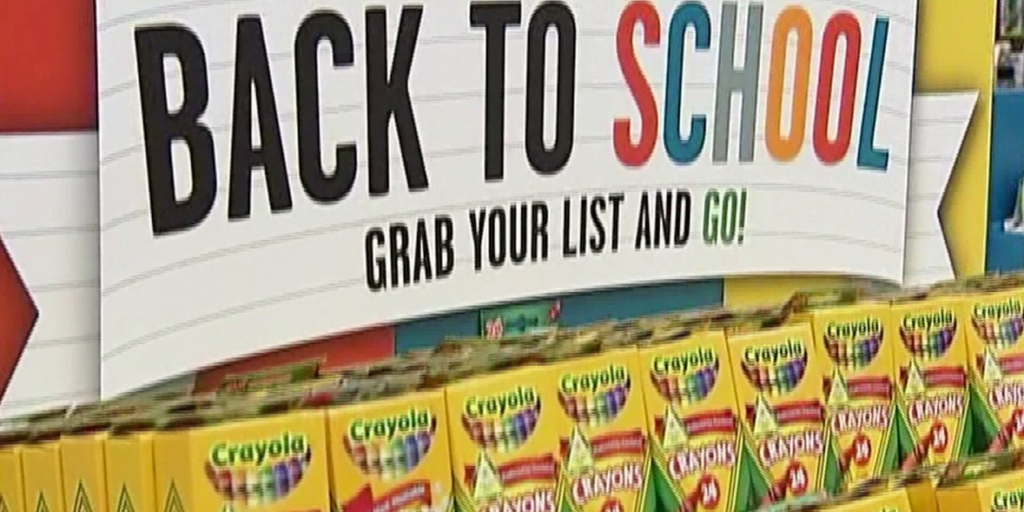
OK, you like shopping and when you followed tip #2’s recommendation to review eligible tax-free items, you found some things you want or need. Write those down. Your list will ensure that you don’t forget anything you could pick up tax-free.
…
…
6. Stick to your list.
Retailers are smart. They’re going to prominently display a lot of products that aren’t tax-exempt during the tax holiday period. But you don’t have to take the taxable bait. Follow your tax-free list. If you give in to impulse purchases, you’ll quickly blow your sales tax savings.
I hope all y’all in states with tax holidays have lots of tax-free fun this summer. And I hope these tips will help you make the most of your tax holiday.
Happy tax-free bargain hunting!
You also might find these items of interest:
- Tax holidays: bonanzas or bogus?
- How does your state’s sales tax compare?
- 5 sales-tax-free states are perfect places to enjoy National Ice Cream Day
Advertisements
🌟 Search Amazon Electronics 🌟
The text link above is an affiliate ad. If you click through and then buy a product, I receive a commission.