The debate on the use offshore tax havens has been heating up.
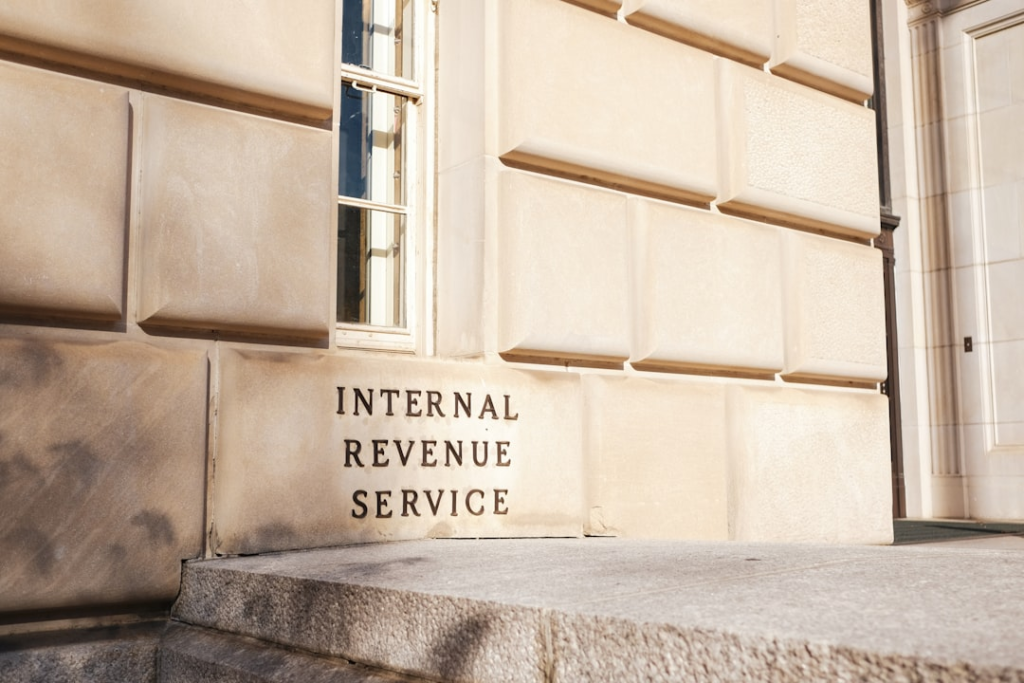
On the individual side, the Internal Revenue Service on July 1 got a new tool, the Foreign Account Tax Compliance Act (FATCA), to track down international accounts the tax man says are used to avoid paying Uncle Sam his due.
On the corporate side, the conversation about offshore tax havens went off the charts when the iconic, 114-year-old pharmacy chain Walgreens — the inventor of the malted milkshake, for heaven's sake! — announced it was considering moving its headquarters from Deerfield, Illinois, to Switzerland to lower its tax bill.
If Walgreens does relocate its main office abroad, it would have lots of a corporate inversion, also often referred to as tax inversion, company.
Tax inversions are accomplished by a corporation acquiring an overseas operation and then changing the paperwork to show that offshore location as its headquarters.
"From New York to Silicon Valley, more and more large American corporations are reducing their tax bill by buying a foreign company and effectively renouncing their United States citizenship," noted the New York Times' DealB%k column back in October.
Legal but controversial: The trend, which is legal under the current Internal Revenue Code, has become so popular, or at least more reported, that it has generated not only a recent Senate Finance Committee hearing, creatively titled "The U.S. Tax Code: Love It, Leave It or Reform It!," but also the president's ire.
In a speech July 24 at Los Angeles Trade-Technical College, President Obama called for "economic patriotism" among U.S. multinationals. The global companies, the president said should pay their fair share and not resort to tax avoidance maneuvers unavailable to individuals and most American businesses.
Obama reiterated his call for an end to "gaming the system" in an interview with cable business news network CNBC, saying the firms are "basically taking advantage of tax provisions that are technically legal but … [they] are really not doing right by the country, by the American people."
Pending, political legislation: Two bills have been introduced in Congress to deal with tax inversions as set forth in the president's fiscal year 2015 budget.
Ways and Means Ranking Minority Member Rep. Sander Levin (D-Mich.) is the sponsor of H.R. 4679, Stop Corporate Inversions Act of 2014, in the House. The companion Senate legislation, S. 2360, Stop Corporate Inversions Act, was introduced by Sen. Carl Levin (D-Mich.).
Nothing will happen this year with either bill. But look for the topic to come up as the November midterm elections near.
Should you invert? OK, individuals technically can't perform a tax inversion. But we can expatriate and move abroad for tax and other reasons.
But should we?
If you're unsure, check out the Washington Post's interactive guide to legal tax arbitrage. The flowchart asks some basic questions and then offers a yea or nay.
Remember, of course, that the newspaper's expatriation/inversion advice should in no way take the place of a more thorough consultation with an international tax expert.
Until that meeting, though, have fun!
You also might find these items of interest: