


Larger families do get more from the Earned Income Tax Credit. But this valuable tax break also is available to eligible single taxpayers. If you qualify, claim the EITC!

Nobody likes filing a tax return, so why should someone who isn’t legally required to file go ahead and send the IRS a Form 1040? The #1 reason is because it might get you a tax refund. Check it and five other situations where filing, even if you don’t have to, can pay off.

Do you have to file a tax return? Probably. Not much is out of IRS’ reach. But in some cases, Uncle Sam lets folks off the tax-filing hook. Here’s a look at what determines whether you must file a Form 1040.

Taking your time often is a good idea when it comes to tax filing. A slower, more deliberate approach to your 1040 can help ensure it is completed and filed correctly.
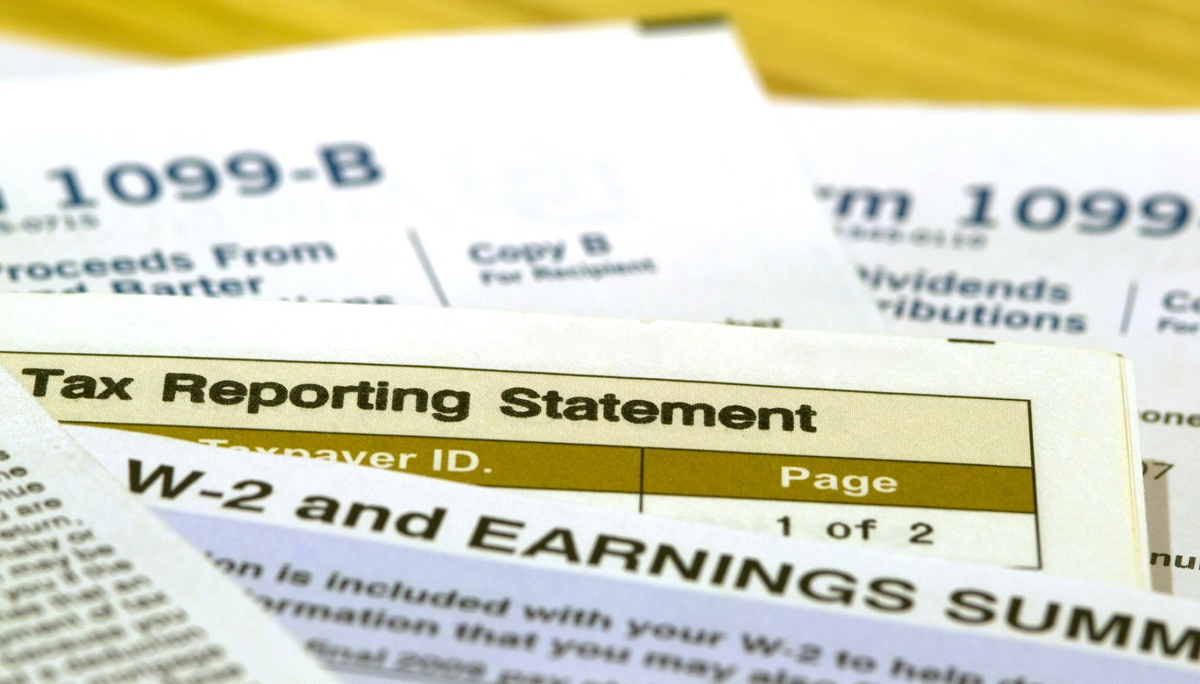
You’re ready to file your Form 1040, but don’t do it until you’ve received all your official tax statements. Here’s a look at the myriad tax documents, most of which you should receive by the end of January, that will help you file a complete and accurate return.

You don’t have to be a fortune teller to know that sometimes the best tax move is to file your return early. Here are 7 reasons why it’s good to get your Form 1040 to the IRS as soon as possible.

Take a close look at your 2025 tax return. New tax laws created by the One Big Beautiful Bill could provide you with added savings this filing season. Here are 8 to check out.
If you get income that’s not subject to withholding, you must cover the tax due by making estimated tax payments. The last one for the 2025 tax year is due Jan. 15, 2026. Yes, that is Thursday.

If you used IRS’ Free File last year to complete your federal taxes, then it’s tax déjà vu time. The same eight tax software companies are back for the 2026 tax season. You can use Free File if your 2025 income was $89,000 or less.

The 2026 tax filing season begins Jan. 9 for Free File eligible taxpayers. The full start is Jan. 29, the day the IRS will start processing our 2025 tax year returns.

These snow-obscured signs aren’t much help, but the ol’ blog, basking unseasonably warm January temperatures here in Central Texas, has some tax guideposts to help to help welcome the new 2026 tax year. (Photo by Christina & Peter)

Happy New 2026, a year that brings us more than one, and in some cases not so beautiful, retroactive changes to our 2025 taxes. Plus, some of the those tax breaks that politicians hope will popular are temporary. So, buckle up. It’s time again for taxes!

Millions of taxpayers already are filling out their 2024 tax returns. Now they just need to know when the Internal Revenue Service will start processing them.
Happy New 2024 Tax Year! Yes, you heard this upbeat welcome before, like just last year. But things in the tax world finally seem to be getting back to normal, such as that was, is, or will be. Welcome to a brand, spanking new year. In 2023, the Internal Revenue Service finally got even more of its operations back on track. Now, with additional funding, hopes are high that 2024 will be a turning point filing season. More good news: there are no, end-of-year tax laws to deal with. The bad news: Congress let some tax provisions that many were…
January
The More Tax Posts tab at the top of this page will take you to, well, more tax posts. You also can search below for a tax topic.

November 4, 2026
Thanks to Nov. 3 midterm election wins Democrats will control both the House and Senate…
TO WRAP UP 2026
It’s over! With October’s extended filing deadline behind us, it is now time to focus on year-end moves to reduce your 2026 tax bill.
You’ll find ways to do just that on the Tax Tips page (see the More Tax Posts drop-down menu at the top of the blog), as well as the separate tax tip pages for each month, notably October through December. If you’re on the Tax Tips page, you’ll find a monthly list at the end of this column. If you’re on another blog page, you can head straight to the October tips; at the bottom of that tips page you’ll find links to all the other 11 months’ collections of tax advice.
Not to spoil what you’ll find in that tax advice, but it does cover such things as tax deductions for charitable donations, investment moves that could reduce tax due, and ways to max out your tax-favored retirement savings.
Finally, as the year winds down, things get hectic. There are lots of other things to occupy our time, like the much more fun upcoming holidays. But don’t lose sight of taxes, since timing is key. To be of use, most tax moves must be made by the end of the tax year. That’s Thursday, Dec. 31, which also is the last business day of the year.
So that you don’t miss that final tax year deadline, also keep an eye on the countdown clock below. It will keep you on top of just how much time is left to make important, tax-saving moves. (Note: I’m in the Central Time Zone, so adjust accordingly for where you live.)