Attention parents who rely on government program payments to help care for your families.
If you missed out on the extra $500 per dependent child coronavirus economic impact payment (EIP), the Internal Revenue Service is giving you one last chance to get this supplemental money this year.
The tax agency announced this afternoon that it is reopening registration for the added COVID-19 stimulus amounts.
The IRS' online Non-Filers tool , which debuted back in mid-April, again will be available starting tomorrow, Saturday, Aug. 15. It will be open through Sept. 30 to allow affected individuals to enter their qualifying children's information.
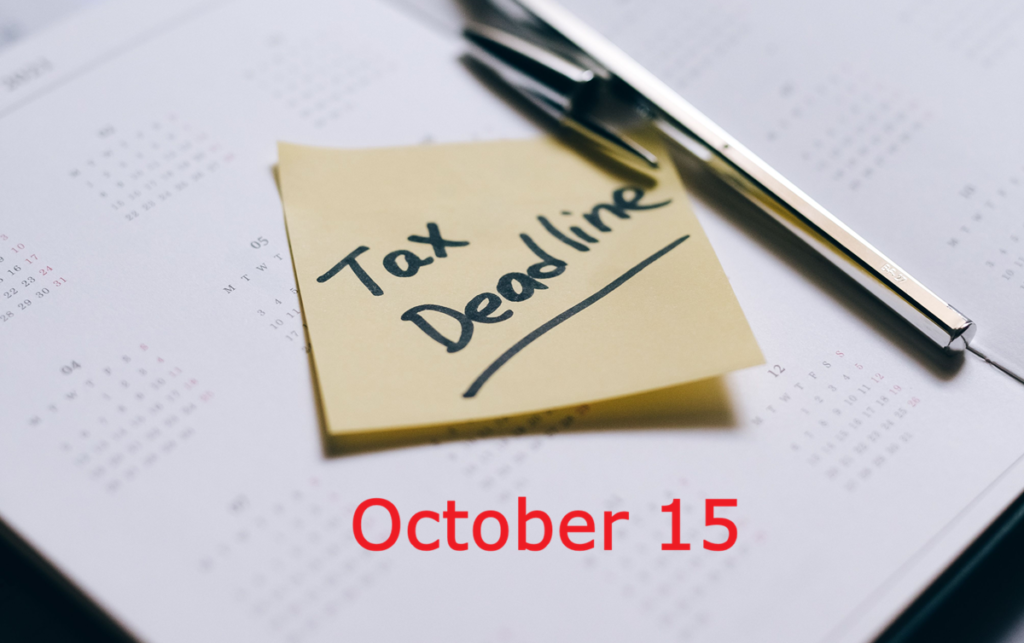
The IRS expects to issue additional child-related coronavirus payments generated by this new data by mid-October.
Beneficiaries with dependents: This renewed IRS EIP initiative is aimed at individuals who receive Social Security retirement, survivor or disability benefits; Supplemental Security Income (SSI) payments; Railroad Retirement benefits; or Veterans Affairs Compensation and Pension (C&P) benefits.
Many of those folks didn't have to file a 2018 or 2019 tax return, which were used to calculate the EIP amount authorized by the Coronavirus Aid, Relief and Economic Security (CARES) Act earlier this year. However, they automatically got their $1,200-per-taxpayer stimulus amounts because they were in Uncle Sam's delivery system.
However, if they also care for youngsters, but didn't let the IRS know, then they didn't get the added $500 for each minor dependent stimulus amount.
Family update redux: In the spring, the IRS essentially issued the same call to these individuals, encouraging them then to use the Non-Filer online tool to update their family situations.
The IRS is repeating that May message now.
Go to the Non-Filer tool and let the IRS know of the youngsters age 16 or younger for whom you are caring. That's the only way to get the money this year, a time when many are facing added financial concerns because of the pandemic.
These extraordinary circumstances were noted by IRS Commissioner Chuck Rettig in announcing his agency's latest dependent EIP outreach.
"IRS employees have been working non-stop to deliver more than 160 million Economic Impact Payments in record time," said Rettig. "To help with this, we are allocating additional IRS resources to ensure eligible recipients receive their full payments during this challenging time."
Earlier users don't need to act: If you're a government program beneficiary and previously let the IRS know how many in your family are eligible for the extra $500 COVID-19 relief amounts, you don't need to do anything else.
If you haven't already received the added dependent payment amount, the IRS says it will automatically issue your extra EIP money in October.
However, if you did miss out on that earlier opportunity, take advantage of this do-over. Go to the Non-Filer tool and update your family dependent data so that you can get your money this year.
And definitely don't miss the Sept. 30 deadline. The IRS says this will be it for 2020.
If you don't update your dependent information by that deadline, you'll have to wait until next year to claim the extra $500 per child as a credit on your 2020 federal income tax return.
You also might find these items of interest:
- Considering more COVID-19 payments on Parents' Day
- IRS now sending some erroneously denied COVID-19 dependent relief payments
- Still waiting for your COVID payment? IRS has answers on what to do to get or track your money
| Coronavirus Caveat & More Information In 2020, we're all dealing with extraordinary circumstances, both in our daily lives and when it comes to our taxes. The COVID-19 pandemic and efforts to reduce its transmission and protect ourselves and our families means that, for the most part, we're focusing on just getting through these trying days. But life as we knew it before the coronavirus will return, along with our mundane tax matters. Here's hoping that happens soon! In the meantime, you can find more on the virus and its effects on our taxes by clicking Coronavirus (COVID-19) and Taxes. |
Advertisements