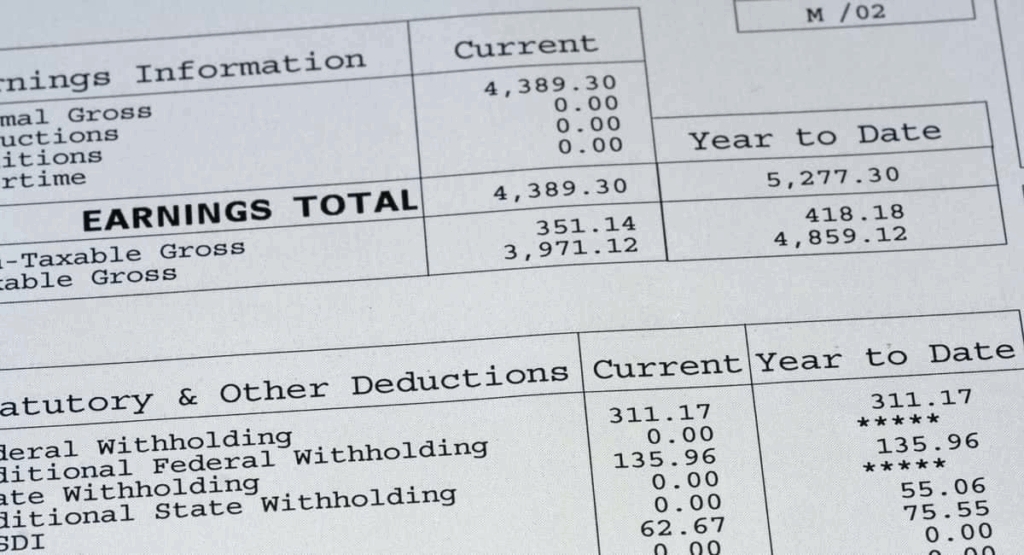
I know. You read that headline and said, what the … ?
That's exactly the reaction that Zach had. So he dropped me an e-mail message.
I'm a recent graduate just starting out and I have two jobs, which I receive W2s from, and I work freelance as well. I make about 2/3 of my income from the W2 jobs and the rest from freelance work.
This year, I got a "1099-G" for the first time. It says that I got $364 refund from the state in 2008, which I did, but I didn't know that you had to pay taxes on a refund.
Is this a mistake, or is this actually the case? And if this is appropriate, am I completely crazy for thinking that paying taxes on a refund is absolutely insane?
Had I known I'd need to put 25% of my refund away to pay taxes on it later, I would have. It's not a matter of paying it, I guess it's just the principle of paying taxes on a refund from your taxes that doesn't sit well with me.
Well, Zach. you're not alone in being simultaneously puzzled and a bit P.O.'ed.
And the answer to your question about whether you owe Uncle Sam money on your state tax refund is the one that applies to a lot of tax questions: It depends.
When your refund is taxable: Whether your state tax refund is taxable depends on whether last year you claimed the standard deduction or itemized and used your state income taxes as a deduction to help reduce your federal tax bill.
If you itemized last year and claimed state (and local) income tax payments on your Schedule A, then that $364 refund, or at least a part of it, is taxable federal income. You need to include it on your 2008 return.
If, however, you used the standard deduction last year, your state tax refund is not taxable.
And if you itemized and claimed state and local sales taxes instead of state and local income taxes, your state refund is not taxable.
The Form 1040 instructions (or your tax software) has a worksheet to help you figure out how much of the refund is taxable, Basically, what you're doing is comparing the itemized deductions you claimed to the standard deduction you could have taken and the difference is the maximum taxable portion of your state refund.
Essentially, Uncle Sam just wants to make sure that you're not "over deducting" your state income tax. When you claimed it on last year's return, you claimed the full amount you paid to your state tax collector, usually via payroll withholding.
But if you got a refund after you filed your state tax return, then you actually didn't pay all the state taxes that you claimed on your federal return. So what you did last year is deducted more state income taxes on your federal return than you should have.
And Uncle Sam wants you to straighten out that over deduction by reporting your refund (or the part of it that's taxable after you do the worksheet or software calculation) as taxable income. It goes on line 10 of your Form 1040. And yes, you'll have to use the long form if you do have a taxable state income tax refund amount to report.
As for that 1099-G you got from your state tax department, those
folks don't know whether you itemized or claimed the standard deduction
on your federal return, so they send those statements out to everyone
who gets a state refund just in case.
So while it does at first sound counter intuitive and just plain wrong to report as income state tax refund money, the IRS is not trying to get more than it should … this time!