

Here we go again. I wish I was talking about the great Ray Charles’ version of that classic song, but alas this post’s focus is, again, on a possible federal government shutdown.
That could happen, at least partially, if Congress and the White House don’t agree on a funding measure beyond this fiscal year, which ends Sept. 30. Without money, Uncle Sam would have to close his doors on Oct. 1, which is this weekend’s By the Numbers figure.
But rather that just take care of business within the requirement time frame, something each of us with a job does every day, federal lawmakers are again using a potential closure as a political cudgel.
Funding stops and, hopefully, restarts: The most recent example is House Speaker Mike Johnson’s attempt to tack a politically-motivated voting measure onto a six-month stopgap funding bill. The Louisiana Republican finally had to admit defeat after opposition from members of his own party.
Capitol Hill will try again next week. Reports from Washington, D.C., indicate that members are working this weekend to finalize a bipartisan stopgap funding package that generally would extend current funding levels through Dec. 20. (Oh, joy. Congressional money fights just before Christmas. Do these people have no families with whom they want to spend the holidays?!)
As a back-up, last week Senate Majority Leader Charles E. Schumer (D-New York) said he has a separate legislative vehicle ready in that chamber that could be used to move the funding forward if there are any passage problems in the House.
It sounds like we might actually make it to Oct. 1 without any federal office closures.
But just in case — I’m keeping my fingers crossed, but learned decades ago not to count on Congress until all the votes are counted. — here’s a look at what would happen at the Internal Revenue Service if a funding bill fails.
IRS closure plans: While it was thought (hoped) that the added Inflation Reduction Act funds would allow the tax agency to continue as usual, it’s more likely that the IRS would operate under the Treasury-prepared shutdown contingency plan.
Regardless of when a government shutdown might occur, the IRS plan calls for only essential workers to report. But the number of personnel deemed essential depends on whether it's tax filing season or not.
Since Oct. 1 through the end of the year technically is a non-filing period, despite the Oct. 15 deadline for extended annual tax returns, about one-third, or 28,268 IRS employees, out of its total nearly 90,000 total head count would be expected to continue working. The remaining IRS staff whose jobs are deemed not critical, would be furloughed, the governmental version of injury added to insult.
The IRS personnel that would continue work fall into three categories. The designations and the number of employees (as of Sept. 19, 2023) affected during a non-filing period are —
- 14,136 employees whose pay comes from a resource other than annual federal appropriations;
- 1,835 employees who are needed to perform activities necessarily implied by law; and
- 12,283 employees whose functions are necessary to protect life and property.
The remaining 14 essential employees at work would spend half a day performing shutdown activities.
IRS work that will continue: What would these essential IRS employees be doing? Among the contingency plan’s "significant agency activities" that would continue are —
- Services necessary to the Social Security Administration’s carrying out certain functions that would continue despite a lapse in appropriations;
- Completing and testing of the upcoming filing year programs, as well as work on upcoming tax year forms design and printing;
- Processing remittances (including those by mail) and disaster relief transcripts;
- Continuing the IRS’ computer operations to prevent the loss of data;
- Performing actions necessary for the protection of statute expiration, bankruptcy, liens, and seizure cases.
And, oh yes, criminal law enforcement and undercover operations would continue.
IRS work that will stop: What about actions the IRS will stop doing on Oct. 1 without full funding? The plan says it will discontinue operations in such areas as —
- All audit functions and examination of returns;
- Processing non-disaster relief transcripts;
- Non-automated collections; and
- Information systems functions, except as necessary to prevent loss of data in process and revenue collections.
And, oh yes, you won’t have to listen to hold music if you call the IRS with a question because its call sites will be closed.
What won't change for taxpayers: These are just some of the IRS operations that will or won’t continue if Congress can’t agree on funding by Sept. 30. The contingency plan has all the details.
But here’s hoping we won’t have to worry about it being implemented.
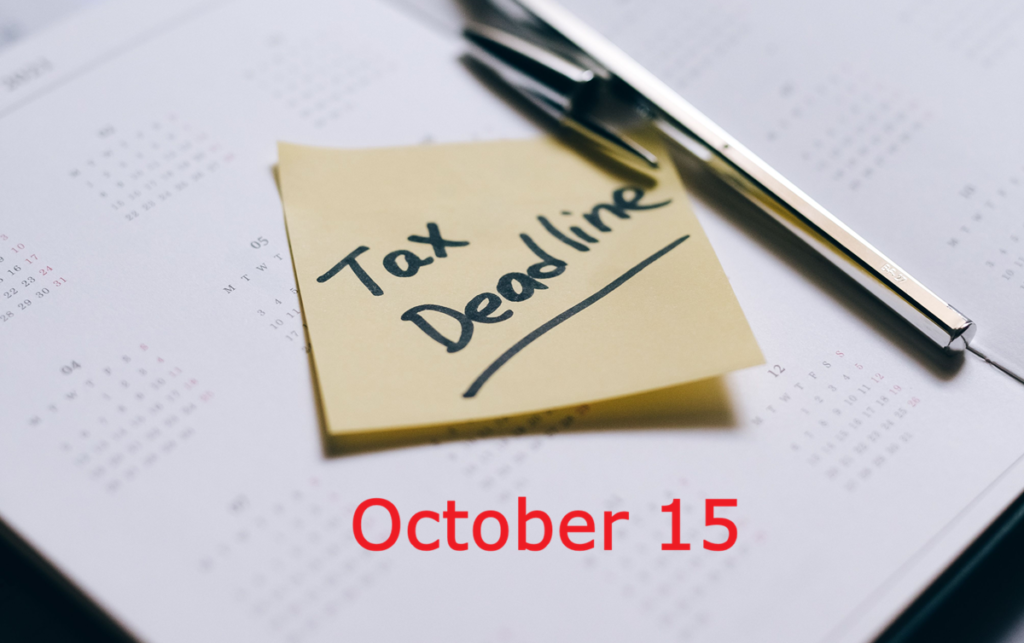
And remember that extension you got earlier this year to file your tax year 2023 Form 1040? Go ahead and complete it and get it to the IRS by Oct. 15.
Even if the IRS is mostly understaffed due to lack of funding, we taxpayers still must comply with tax law. That definitely includes meeting filing deadlines.
You also might find these items of interest:
- Tax cheats get audit break during government shutdown
- After 35 days, the longest U.S. government shutdown ever finally ends
- What unpaid IRS employees will and won't do during a government shutdown
Advertisements
🌟 Explore Prime for Young Adults 🌟
The text link above is an affiliate ad. If you click through and then buy a product, I receive a commission.
Kenneth Athon
This sentence in the original report strikes me as particularly funny: The remaining 14 essential employees ….