IRS privacy protections look pretty darn good

June 17, 2007

Back in April, a convicted identity thief told a Congressional panel that the U.S. tax system was riddled with security holes.

But now comes a news item that makes the IRS look airtight when compared to Swedish tax record keeping.

"Swedes have unfettered access to almost all records that the state
keeps on the population,"
according to an Associated Press story published in today’s New York Times. "Only some 10,000 people who live under some
form of threat, are excluded from the public records."

Previously, nosy Swedes had to visit the local tax office to ask about their friends’ and neighbors’ finances. Then came Ratsit.se.

Ratsit_logo_2_2
Back in November, according to the AP, the Swedish Web site started publishing
financial details, free of charge, from the national tax authority. The
site’s 610,000 registered users, out of a total population of 9 million, have accounted for an average of 50,000 online credit checks a day.

Usually, credit check companies must notify individuals when their records are pulled. But with Ratsit access, notes the story, anonymous snoops could uncover financial information
simply by typing in a name and clicking ”search.”

That’s come to an end … sort of.

Sweden dearly values its transparency laws its freedom of information act dates to 1766 so Ratsit searches will continue. But now, snoops must pay.

Ratsit and similar sites still make personal income and debt information available, but starting last week that data costs $21 for 10 requests a week, and $3.60 for each additional request.

And anyone whose finances are viewed will now be notified by mail and told who asked.

”I do think our service is justified because things like wages should
be transparent,” Ratsit’s chief executive, Anders Johansson, told the AP. Employers use the service check whether potential hires are in debt, he said, and ”a lot of people use it to negotiate their pay.”

In additional to privacy concerns, the National Tax Board took action to stem fears that such online openness makes it much too easy for identity thieves.

You think?
Share:

The More Tax Posts tab at the top of this page will take you to, well, more tax posts. You also can search below for a tax topic. 

Latest Posts
6 tax moves to consider this June

June 3, 2026

Definitely take a break this June. But taxes don’t take vacations. So, you also should…

Read More
Tax Season 2026 Continues!

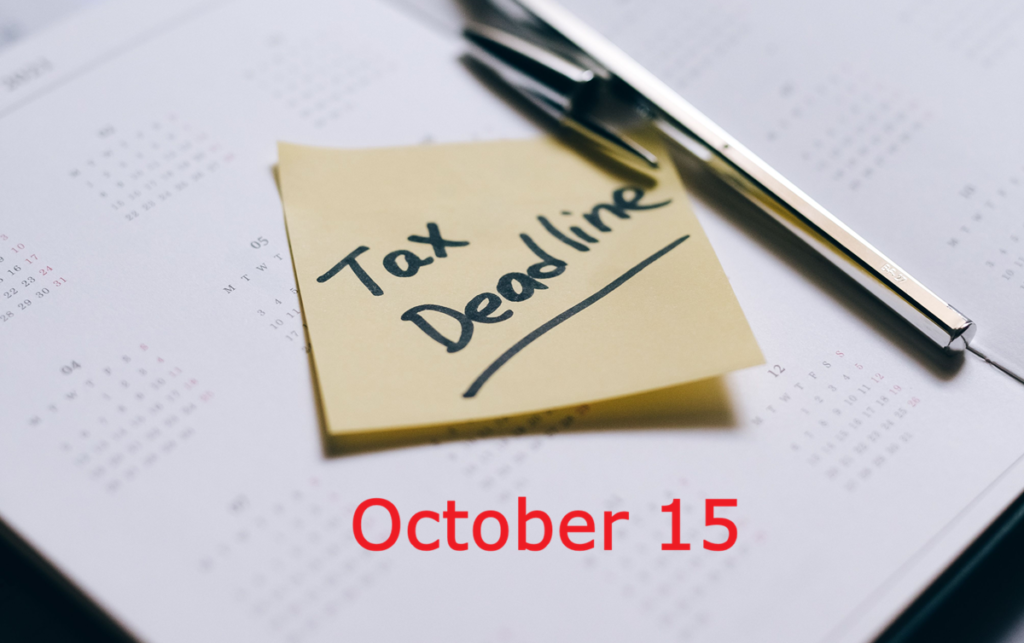
We made it. Tax Day 2025 is finally over. For most of us. When the filing season started on Jan. 26, millions who were expecting refunds filed immediately. Most of us got our returns to the Internal Revenue Service by April 15. But plenty of taxpayers also got extensions. They are looking at an Oct. 15 filing deadline.

Those procrastinating filers aren’t a problem. In fact, the IRS appreciates taxpayers who take time to fill out their 1040 forms correctly. It also is grateful that tax submissions are spread out a bit, especially now that the IRS is a leaner agency. Processing returns is easier when they arrive throughout the year instead of in massive bunches.

But enough about Uncle Sam’s tax collection issues. The focus now is on all y’all who filed for extensions, giving you another six months to complete your return. Since your new mid-October due date will be here before you know it, let’s get started now on meeting it.

The ol’ blog is here to help you finish up your extended Form 1040. You can start with January’s tax tips page, which has links to the rest of the year’s tips by-month collections. You also can peruse various tax categories for more tailored advice by clicking on the More Tax Posts drop-down menu at the top of this (and every) page.

And to make sure you don’t miss your new filing deadline, the count-down clock below will let you know just how much time you to file by Oct. 15. At the latest.e. (Note: I’m in the Central Time Zone, so adjust accordingly for where you live.)

Comments