

One of the worst cases of adding insult to injury is that unemployment benefits are taxable income. Actually, I guess that makes this tax law a case of adding injury to injury.
But there's one tiny bright tax spot on 2009 returns if you got government help while out of work.
Up to $2,400 in unemployment benefits are tax free. If both you and your spouse lost your jobs, you each can claim the $2,400 for a total of $4,800 in untaxed unemployment earnings in 2009.
As for the remainder of benefits you received last year, though, you'll owe the IRS on that money.
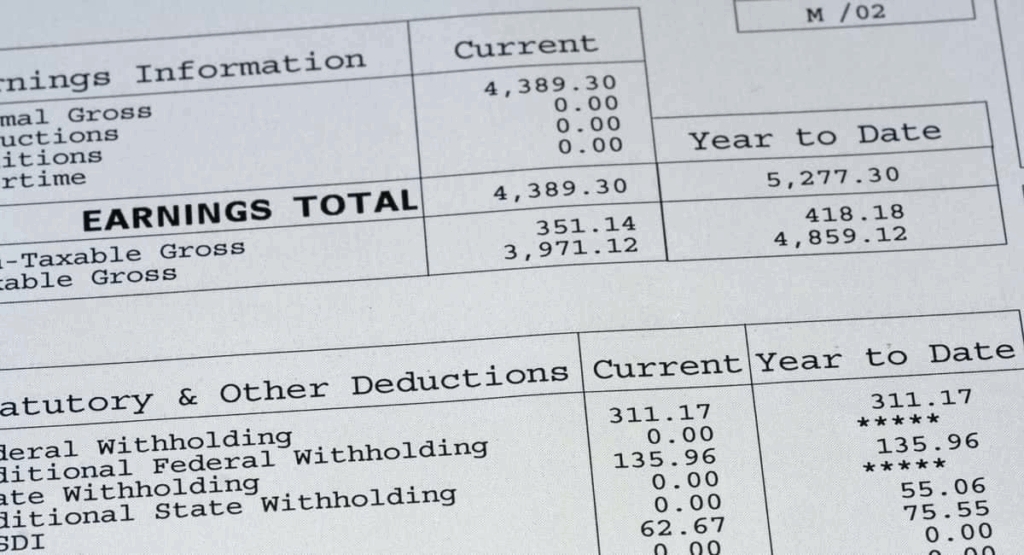
Since the amount was less than what you were making you probably opted not to have taxes withheld from your unemployment checks. That's understandable.
But without that withholding or estimated tax payments on the benefits (nah, I didn't expect you to come up with that money either), be prepared to deal with the tax-due consequences when you file your 1040.
Deducting job hunting expenses: Now to the business of finding work. In this situation, you could get a bit of a tax break.
Job-search costs such as printing resumes, mailing them out, traveling to job interviews and even career counseling could be tax deductible.

Before you go off to track down receipts, keep reading.
Remember I said "a bit of a tax break"? That's because there are some requirements to meet before you can write off your job search expenses.
Adding up itemized expenses: First, you'll have to itemize. So unless you have other expenses to list on Schedule A, such as mortgage interest or charitable donations or, god forbid, disaster or theft losses, you might be better off taking the standard deduction.
For 2009 returns the standard amounts are $5,700 for single filers; $8,350 for heads of households; and $11,400 for married couples filing jointly.
OK. Itemizing works for you. Now you've got to do some more math.
Job hunting costs are miscellaneous deductions and what you can write off here is limited to the amount that exceeds 2 percent of your adjusted gross income (AGI). That means if you made $30,000 then your miscellaneous costs, job search and otherwise, must exceed $600.
I repeat "exceed." If you have $610 in miscellaneous costs, then only $10 is deductible.
Meeting that more-than-2-percent income threshold might be easier since your AGI dropped when you lost your job. I realize that's small comfort, but when you're looking for tax breaks, especially at the same time your searching for a job, every little bit helps.
Related
posts:
Want to tell your friends about this blog post?
Click the Tweet
This or Digg This buttons
below or use the Share This icon to
spread the word via e-mail, Facebook and other popular
applications. Thanks!
Wes Masters
Kay – somewhat related to your first point – we get a lot of customers asking us if they should file a tax extension if they are unemployed. Their logic is that they didn’t really make any money for the year so they don’t need to file their taxes. I expect we’ll be hearing a lot of that again this year.