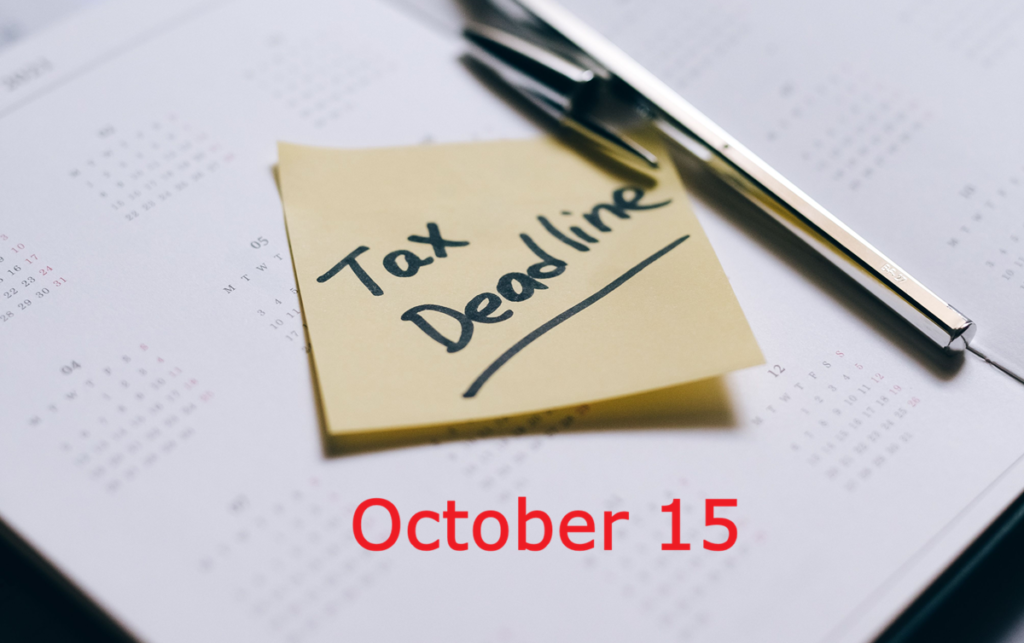
It's Tax Day for most procrastinators who earlier this year got six more months to file their 2021 tax returns.
But not for all.
Due to extraordinary circumstances, taxpayers across (and outside) the United States have more time to complete and submit their 2021 tax year forms.
Some of these affected filers (and nonfilers) need to mark Nov. 15, Nov. 17, or Feb. 14, 2023, on their calendars as the absolutely final day to submit last year's tax return.
Disasters, danger, and more: If you're spending today struggling to fill out your Form 1040 and associated schedules, you might be tempted to be jealous of these folks getting more time. Don't be.
In many cases, the reasons for the postponed filing time are not what any of us would want.
Some taxpayers have more time to file because their homes and/or businesses were hit by major natural disasters, including two deadly hurricanes this year.
Others were or are serving Uncle Sam in dangerous parts of the world.
And around 9 million need to file a return even though they aren't legally required to do so in order to claim some special tax benefits that ended at the end of 2021.
Here are the locations, new tax filing due dates, and reasons for the later Tax Days for these affected taxpayers.
Nov. 15, 2022, is Tax Day for —
- Arizona taxpayers, specifically members of the Tribal Nation of the Salt River Pima Maricopa Indian Community, who were hit by severe storms;
- Missouri taxpayers where severe storms created flooding;
- Kentucky taxpayers who were in the same path of severe, flood-producing storms as their Missouri neighbors; and
- St. Croix, U.S. Virgin Islands, taxpayers who encountered a water shortage from unprecedented sargassum seagrass influx.
Feb. 15, 2023, is Tax Day for —
- Florida taxpayers who are still dealing with the aftermath of deadly Hurricane Ian;
- South Carolina taxpayers who are still dealing with Ian's second landfall;
- North Carolina taxpayers who are still dealing with Ian's move inland;
- Puerto Rico taxpayers who endured Hurricane Fiona;
- Mississippi taxpayers of Hinds County, who suffered a municipal water system failure caused by flooding; and
- Alaska taxpayers who dealt with disruptions from storms and flooding.
Combat postings' floating filing effect: U.S. military service personnel also get more time to file their return if they are in a combat zone. The exact due date is based on the timing of the troops' (and civilian employees') postings.
Armed forces taxpayers typically have 180 days after they leave a combat zone to file returns and pay any taxes due.
You can get more information at the IRS web page on combat zone service extended deadlines and IRS Publication 3, Armed Forces Guide to Taxes.
New COVID benefits, and filing issues: Last year, Congress and the White House approved new tax breaks to help offset the continuing coronavirus pandemic economic hardships.
The IRS automatically distributed most of these benefits, notably the third round of COVID-19 economic impact payments and enhanced advance Child Tax Credit amounts, to taxpayers it determined were eligible based on their prior tax return data.
However, millions of individuals and families who didn't make enough money to legally require they file a Form 1040 missed out since they weren't in the IRS' system.
Nonfilers' November filing deadlines: Many of these nonfilers submitted their information to the IRS via online simplified filing options, or submitted a 2021 tax return earlier this year. But, again, not all.
The IRS says around 9 million families still are missing out on the various COVID relief amounts, as well as other potential tax breaks for which they might qualify. The agency is sending them letters urging them to file a return this year so they can collect.
To make those claims easier, the IRS is keeping Free File operating through Nov. 17 so eligible nonfilers can submit a Form 1040 electronically and, as the name says, at no cost. Free File is available to anyone whose adjusted gross income is $73,000 or less. This year eight tax software options are available.
Those who make much less than the Free File income cap — either less than $12,500 as a single taxpayer or less than $25,000 as a married couple filing jointly — and who prefer an easier claim option can use GetCTC.org's online option. The GetCTC simplified filing tool is available to eligible nonfilers through Nov. 15.
Mark your extended calendars: If any of these added delayed filing circumstances apply to you, mark your calendars and don't miss them.
Taxpayers who must file 2021 tax year returns could face nonfiling penalties if they don't meet their later Tax Days.
And taxpayers who missed out on COVID relief could further delay getting money they could use now if they overlook their extended deadline.
You also might find these items of interest:
- 4 tax moves to make this October
- Considerations in making a major disaster tax claim
- Nov. 15 is deadline for nonfilers to claim enhanced credits at GetCTC.org
- IRS Free File to stay open until Nov. 17 to help nonfilers claim missed tax credits
Advertisements