

Oleg Ivanov for Unsplash+
If you owe taxes, paying Uncle Sam electronically is a fast and easy way to go. Most who e-pay the Internal Revenue Service do so via credit or debit card. But there are other electronic ways to pay your tax bill. Here are six options.
Most people get refunds when they file their annual federal tax return.
But most is not all. Some taxpayers find each April 15 that they owe taxes.
When your tax liability is too large to pay in one lump sum, you can turn to payment plans.
If, however, you can cover a complete tax bill, the Internal Revenue Service recommends you pay it electronically. It’s generally the easiest and most efficient way, for both taxpayers and the IRS, to settle tax bills.
Here is a quick review of six e-payment options available this 2026 tax filing, and paying, season.
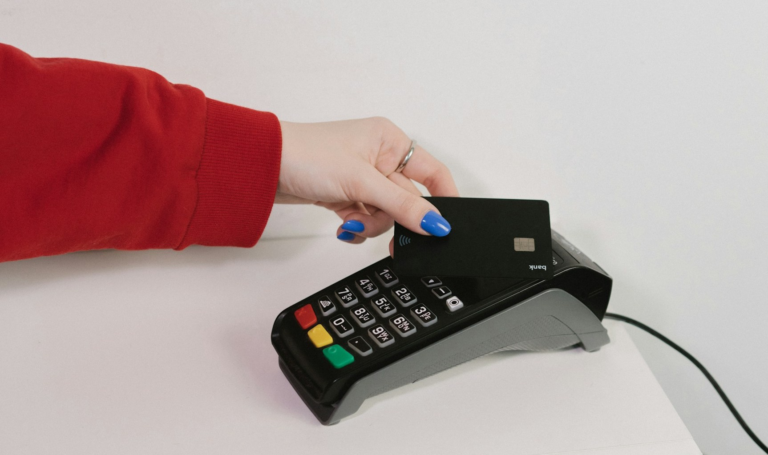
1. Credit or debit card or digital wallet: Paying by plastic is one of the oldest and most popular tax e-pay methods, so Uncle Sam happily accepts our credit or debit cards. As more of us have come to rely on mobile devices, the IRS also has added digital wallet payments.
The payments are made through IRS-authorized processors. As with all plastic transactions, there’s a service charge. With taxes, however, we taxpayers cover this cost instead of the retailer, or in this case, the IRS.
Also, if your tax bill is big, specifically $100,000 or more, special requirements may apply.
This filing season, the IRS has approved the two companies, Pay1040 and ACI Payments, to process individual taxpayers’ credit or debit tax payments. The two processing agents’ fees vary depending on whether the tax payment is made with a personal or commercial credit or debit card. The companies also handle business tax payments.
Pay1040 can be reached at pay1040.com, or by phone at 888-PAY-1040TM (888-729-1040). It’s processing fees start at 1.75% of amount paid or $2.15 minimum, depending on the payment type.
ACI Payments, Inc. can be found at fed.acipayonline.com, or by phone at 888-UPAY-TAXTM (888-872-9829). It’s fees range from 1.85% of amount paid or $2.10 minimum, depending on the payment type.
Each company also accepts a variety of payment methods that affect their processing fees.
Pay1040 accepts credit or debit card payments made by Visa, Mastercard, Discover, American Express, Diners Club International, China Union Pay, JCB, STAR, Pulse, NYCE, Accel, AFFN, Cirrus, Interlink, Jeanie, Shazam, and Maestro.
Pay1040 also handles digital wallet transactions via Click to Pay and PayPal.
ACI Payments accepts credit or debit card payments made by Visa, Mastercard, American Express, STAR, Pulse, and NYCE.
ACI also handles digital wallet transactions via PayPal, Click to Pay, and Venmo.
Both payment processors also will take cash tax payments made via VanillaDirect.
As mentioned, paying by credit or debit card is familiar and easy. Depending on the type of card you use, this tax payment method also can literally pay off if you earn points or other rewards for all your charges.
But note that, depending on the amount you owe, the fees can add up. And then there’s interest. If you don’t pay off your monthly card balance in full or as quickly as you can, that amount could become as big a burden as your tax liability.
2. IRS individual taxpayer online account: The IRS has been hyping its online taxpayer accounts. It’s part of Uncle Sam’s plan to get as many of us on various federal digital platforms.
When it comes to taxes, your IRS.gov online account will give access to your federal tax information, including the amount you owe. You also have the option there to e-pay that, as well as other taxes, such as estimated taxes. (Quick note: The first estimated tax payment for the 2026 tax year also is due on April 15.)
You can make tax payments via your online account using the debit card, credit card or digital wallet methods discussed in payment option #1. You also can use pay directly from your bank account, and even schedule payments up to a year in advance. (Personal note: I’ve set up all my 2026 estimated tax payments, this week’s first payment through the last one due on Jan. 15, 2027, at my IRS online account.)
And speaking of online tax options, the IRS’ mobile app IRS2Go also gives you access to credit and debit card payment options, as well as to Direct Pay, discussed a bit later in this post.
3. Electronic Funds Withdrawal (EFW): With EFW, you file your return and pay electronically from your selected bank account when e-file your return. As the name indicates, your tax payment is taken directly from your selected account. There’s no IRS fee to use EFW, but your bank might charge, so check before using it.
Also, again note that the EFW option is available only when you electronically file a tax return, either yourself using software or when your tax preparer e-files for you.
4. Direct Pay: This e-pay way is similar to EFW, but you push the payment out to the IRS rather than having it pulled from your account. You decide which account, for example, checking or savings, you want to use.
Direct Pay also is free (as long as your bank doesn’t charge anything), doesn’t require any preregistration. When you send your due taxes via Direct Pay, you’ll get immediate confirmation.
You also can use Direct Pay to scheduled payments up to 365 days (yep, a year for all y’all very long-planning taxpayers) in advance.
If you do set up a payment for months ahead, I suggest you set a personal reminder so you’ll get an alert before the money is moved. That way you can make sure you have enough cash in the account. Bank insufficient funds fees are almost as bad as tax penalties.
5. Electronic Federal Tax Payment System (EFTPS): This is an electronic payment system that’s been around for decades. I know, because until this year when I shifted to the IRS online taxpayer account, I was a dedicated EFTPS (pronounced eff-tips if you’re ever at tax nerd gathering and want to name drop) adherent.
If you, too, have an EFTPS account, you can use it to pay your tax bill this week. But note that the IRS is planning to end this payment option later this year.
The IRS hasn’t released any details on the eventual elimination of EFTPS, but you might want to join me and other as online taxpayer account owners sooner rather than later.
6. Cash: The IRS offers two cash options. One, paid directly to an IRS facility, does accept paper dollars handed over at an IRS Taxpayer Assistance Center (TAC). The other cash method also involves actual currency, but really is a hybrid e-payment option that uses the services of a participating retail partner and an online payment processor.
If you want to take the TAC route, you need to make sure the one near you accepts cash payments. Not all do. Start by calling the IRS toll-free at (844) 545-5640. The line is open Monday through Friday, 7 a.m. to 7 p.m. local time (Hawaii and Alaska follow Pacific time zone). An IRS rep will help you find a time and location that works for you.
Also note that you need to schedule your appointment 30 to 60 days in advance of the day you want to pay. The IRS can only schedule TAC appointments within 60 days of your call. You can find more on paying your tax bill in cash at a TAC at this IRS.gov webpage.
You might find it easier to look for a retailer that will accept your tax cash payment. This filing season they are Dollar General, Family Dollar, CVS Pharmacy, Walgreens, Pilot Travel Centers, 7-Eleven, Speedway, Kum & Go, Royal Farms, Go Mart, Rite Aid, Stripes LLC, TAA Operating LLC, Walmart, The Kroger Co, Circle K and Kwik Trip stores. This interactive map can help your find a cash tax payment retailer near you.
But wait a sec. It’s not as simple as heading to the convenience store down the block with your wad of cash for a tax payment. And this process is why paying your taxes with cash is part of an electronic tax payment post.
First you must go through a verification process that starts by going to Pay1040 ACI Payment websites (yes, the same ones noted in this post’s very first e-payment option) and following the instructions to make a cash payment using VanillaDirect. This involves several emails and IRS validation before you get a payment code you use at the store accepting the tax cash payment.
Because of the process, you needed to start early enough to ensure your tax payment is posted in a timely manner. You don’t want to go through all these steps and still end up making a late payment. And, yes, I apologize for not posting this sooner.
There also are payment limits, notably up to $500 per payment, although there are no daily limits on payments. Both processors charge a $1.50 fee for each cash payment.
OK, you’re ready to e-pay now, right? Or maybe not.
That’s fine. Take your time to look into which of these electronic payment options best suits your financial and tax situation. You still have time before the April 15 tax payment deadline to choose one of the ways that works for you and the IRS.
You also might find these items of interest:
- April 15 is more than just the individual tax return deadline
- IRS will give you more time to file your taxes, but you must pay what you owe
- IRS expands TAC weekday hours through April 30, and on select Saturdays through June 27
Advertisements
🌟 Search Amazon Tax Products 🌟
The text link above is an affiliate ad. If you click through and then buy a product, I receive a commission.

