

Photo by Olga DeLawrence on Unsplash
.
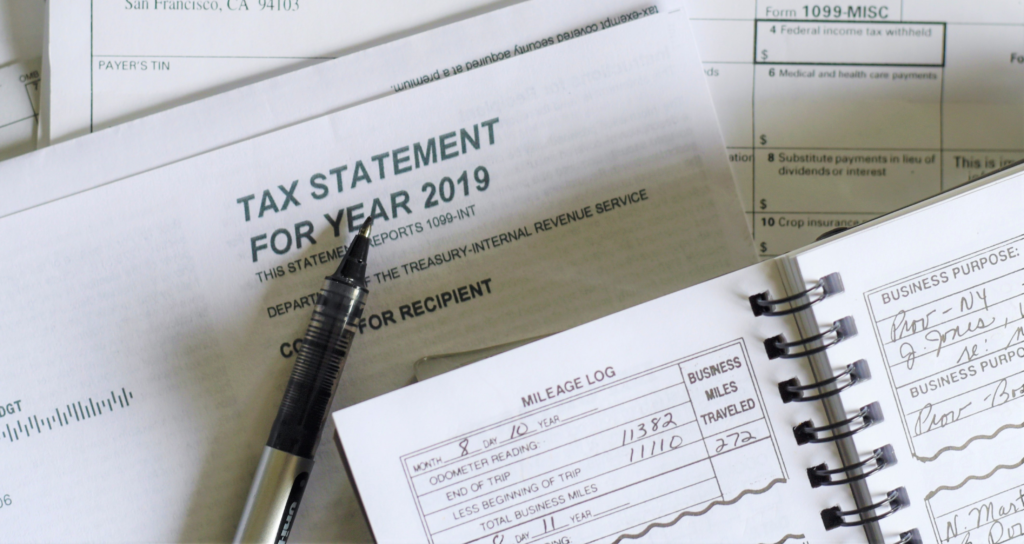
If you didn’t file a 2019 tax return and missed out on that tax year’s refund, you have less than a week to collect your money.
You must file that old tax return, which originally was due on July 15, 2020, to account for COVID-19 pandemic delays that year, by July 17. That’s next Monday.
The Internal Revenue Service announced this fast-approaching deadline, and I blogged about it, back in April. You can find details in that post, July 17, 2023, is deadline to claim $1.5 billion in 2019 tax year refunds.
But since people, myself included, too often put things off — even tasks that could benefit us — until the last minute, the IRS (and I) wanted to remind you of the impending tax-filing due date.
Why to file: The biggest motivation to get that 2019 Form 1040 to the IRS is that if you don’t, then Uncle Sam gets to keep your money.
Federal law says those taxpayers have three years after the original filing deadline to claim their refunds.
And the U.S. Treasury is holding onto a lot of unpaid 2019 tax refunds.
The IRS estimates that almost $1.5 billion in three-year-old refunds haven’t been claimed. The average median refund for 2019 was $893. If you want to go more local, check out this state-by-state median refund table.
Plus, some of the taxpayers who didn’t file back then might have also missed out on 2019 tax credits. The maximum Earned Income Tax Credit (EITC), for example, for that year was $6,557.
Even if you don’t qualify for a 2019 EITC claim, you still have your unclaimed refund to consider. And since that $893 estimate is the median amount, your unclaimed tax cash could be more or less.
But whatever the amount, with or without any added credit, do you really want to relinquish your money to the federal government?
Heck, even just $10 could pay for a monthly streaming fee. That’s certainly worth the 63-cent first-class postage stamp.
Paper forms must be mailed: Yes, that postal reference was intentional. You can’t e-file your old return. You must snail mail it.
That’s because the IRS accepts electronically filed returns for the current season and two years prior, meaning the 2019 tax year just missed the cutoff. Now the agency is only taking e-filed returns for tax years 2022, 2021, and 2020.
And when you do mail that old form, you should spring for some extra postage just to be sure. The most secure way to ensure the IRS gets your return on time is to use certified mail that is postmarked on or before July 17.
Check out the IRS online page for the address to use in mailing your return. You’ll want to use the one in the second column, for sending forms that don’t require any associated payment.
As for those forms, since you’re mailing old versions, you’ll need to download the paper 2019 Form 1040 (or 1040-SR) and instructions from IRS.gov.
Counting down, quickly: If you are due a 2019 refund, then you need to click on over to the IRS site and get those forms as soon as possible.
Again, if you don’t make your claim — that is, send it so that it is at least postmarked by July 17 — by next Monday, then you forfeit your 2019 refund.
As IRS Commissioner Danny Werfel noted, time is running out.
“The IRS continues to urge people who may have overlooked filing during the pandemic to act quickly before they lose their final chance to claim a potentially substantial refund,” said Werfel.
You also might find these refund-related posts of interest:
- Who does, and doesn’t, have to file a tax return
- Why to file a tax return even if you don’t have to
- Don’t miss out on EITC, but note the 2022 tax return changes
Advertisements
🌟 Search Amazon Business and Money Books 🌟
The text link above is an affiliate ad. If you click through and then buy a product, I receive a commission.

Waco Business
Thanks for the reminder! Just forwarded this to a few tardy friends. Get your refunds folks.