Halloween tax scare: state taxation of candy and other food

October 31, 2020
Cat silhouetted against full orange moon_Bessi via Pixabay

Image by Bessi via Pixabay

Happy Halloween! It's a special one, as it comes — despite the pumpkin-hued image above — on a Blue Moon, the second full moon in a month.

Celebrations this year also will be different for most of us. The COVID-19 pandemic means that Oct. 31 festivities will be really, truly scary during a time when mingling with strangers is traditional. We're likely to see more face masks than Michael Myers or Scream masks.

But regardless of how or where you'll celebrate All Hallows' Eve, one thing likely will remain the same. There will be candy. Lots and lots of candy.

Halloween candy bowl

Our Halloween candy bowl

And in most places where that candy is purchased, the state tax collector gets his or her due.

That Halloween tax connect is why The Tax Foundation's look at the tax treatment of candy (and soft drinks and other foodstuffs) gets this week's Saturday Shout Out.

"Forty-five states and the District of Columbia levy a state sales tax. Of those, 32 states and the District of Columbia exempt groceries from the sales tax base. Twenty-four states and D.C. treat either candy or soda differently than groceries," writes Janelle Cammenga, a Tax Foundation policy analyst.

I'll let your read Janelle's analysis at your leisure, but the Washington, D.C.-based tax organization's map below gives you an idea of where your state stands on food — and candy — taxation.

Sales-tax-treatment-of-groceries-candy-and-soda-as-of-january-1-2020-Tax-Foundation

Have a happy and extra coronavirus safe Halloween!

Bonus candy tax coverage: Check out my Tumbling Taxes post with its candy tax video.

You also might find these items of interest:

Advertisements


Share:

The More Tax Posts tab at the top of this page will take you to, well, more tax posts. You also can search below for a tax topic. 

Latest Posts
6 tax moves to consider this June

June 3, 2026

Definitely take a break this June. But taxes don’t take vacations. So, you also should…

Read More
Tax Season 2026 Continues!

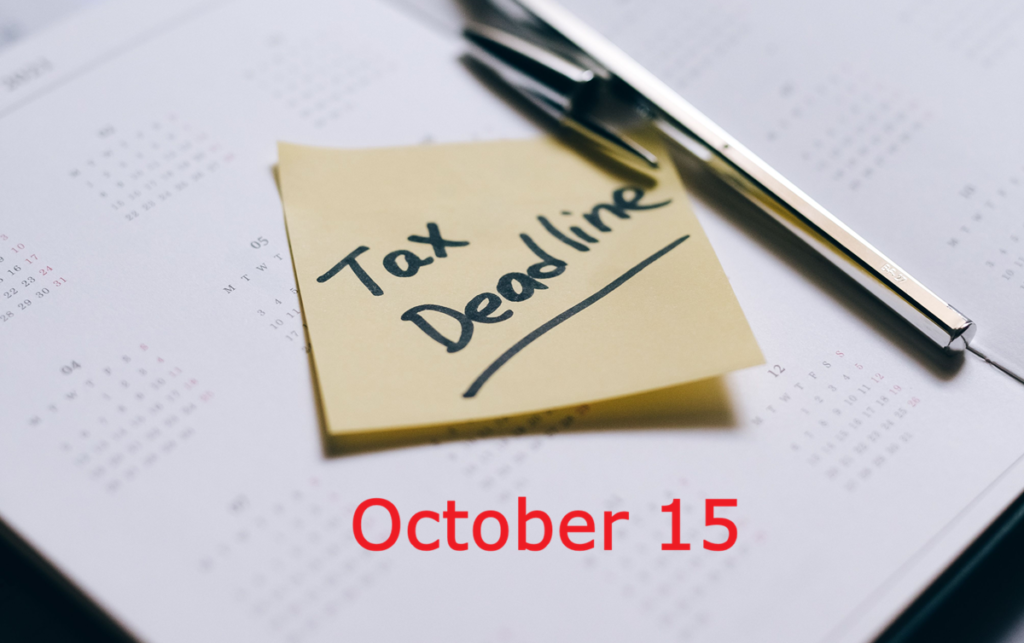
We made it. Tax Day 2025 is finally over. For most of us. When the filing season started on Jan. 26, millions who were expecting refunds filed immediately. Most of us got our returns to the Internal Revenue Service by April 15. But plenty of taxpayers also got extensions. They are looking at an Oct. 15 filing deadline.

Those procrastinating filers aren’t a problem. In fact, the IRS appreciates taxpayers who take time to fill out their 1040 forms correctly. It also is grateful that tax submissions are spread out a bit, especially now that the IRS is a leaner agency. Processing returns is easier when they arrive throughout the year instead of in massive bunches.

But enough about Uncle Sam’s tax collection issues. The focus now is on all y’all who filed for extensions, giving you another six months to complete your return. Since your new mid-October due date will be here before you know it, let’s get started now on meeting it.

The ol’ blog is here to help you finish up your extended Form 1040. You can start with January’s tax tips page, which has links to the rest of the year’s tips by-month collections. You also can peruse various tax categories for more tailored advice by clicking on the More Tax Posts drop-down menu at the top of this (and every) page.

And to make sure you don’t miss your new filing deadline, the count-down clock below will let you know just how much time you to file by Oct. 15. At the latest.e. (Note: I’m in the Central Time Zone, so adjust accordingly for where you live.)

Comments