As Tax Day 2020 nears, the Internal Revenue Service is bringing back more staff — thousands are expected back at their desks on Monday, June 29 — to deal with the added tasks that have been given the agency in this coronavirus tax time.
That's prompting renewed concern for worker safety, especially since more than half of all U.S. states have reported a rise in new coronavirus cases, with some breaking daily records.
For now, however, the modified re-staffing remains as planned, with even more IRS employees to be called back to their workplaces in mid-July.
And that's put IRS leaders between the proverbial rock and hard place. It's a quandary that IRS Commissioner Chuck Rettig says he's already faced.
IRS chief pressured to reopen: "Personally, I got pushed heavily, on a weekly basis, for, 'How come my constituents aren't getting their refunds?," Rettig told the June 24 meeting of the Electronic Tax Administration Advisory Committee (ETAAC).
"And I'm sitting here thinking, 'Well, where are we going to put our people in these campuses, in these particular environments? We need to get ready and protect the health and safety of our people, as well as taxpayers that we interact with," Rettig added, according to a report of the ETAAC event by Tax Notes.
Quick digression here. Kudos and thanks to Tax Notes for making this article and other coronavirus-related items available to non-subscribers during this extraordinary tax season.
Balancing COVID and regular tax duties: Rettig also noted the pressure his agency got to distribute the COVID-19 economic relief payments, as well as stay on top of issuing the 2020 filing season's regular tax refunds.
"We got pushed heavily," said Rettig, although Tax Notes points out that the commissioner did not elaborate on who was applying the pressure.
Overall, however, Rettig noted that the decision to close IRS offices and use teleworkers where possible "was my decision to shut these things down. … I think, overall, we had a pretty good balance."
Another balance shift: That balance could tilt more toward getting tax work done in a couple of weeks if the new coronavirus surge doesn't change things.
On July 13, the IRS [still] plans to reopen all remaining facilities to workers whose jobs cannot be done remotely. As with the earlier and upcoming IRS office re-staffings, social distancing and telework policies will remain in effect.
"As the public health situation evolves, we will continue to closely monitor state and local guidelines and adhere to safety protocols to protect employees, including social distancing and using face coverings in common areas," Rettig said in an email to employees, according to Law360.com, which got a copy of the internal communication.
Phased returns: Like most of the country, both governmental and private sector, in March the IRS sent more than half of its 81,000 staff home . As the returns to workplaces has been implemented, the agency, its works and the employees' union is paying close attention.
IRS agents in Austin, Texas, were among the first group to go back to work on June 1. So far, at least three workers at that Central Texas campus have tested positive for COVID-19. And although the IRS is not among the federal agencies hardest hit by COVID-19, around 100 IRS workers overall reportedly have contracted the virus, with a handful hospitalized.
With the virus making a comeback, apparently facilitated by states allowing more businesses to open, there's a fear that returning IRS workers will become collateral coronavirus damage.
"We understand that the IRS has a backlog of important work that cannot be done remotely and they need to restart systems as soon as possible, but our concerns about the coronavirus pandemic have not changed," said Tony Reardon, president of the National Treasury Employees Union (NTEU) that counts IRS workers among its membership, said in a statement when the IRS began its initial return-to-offices operation.
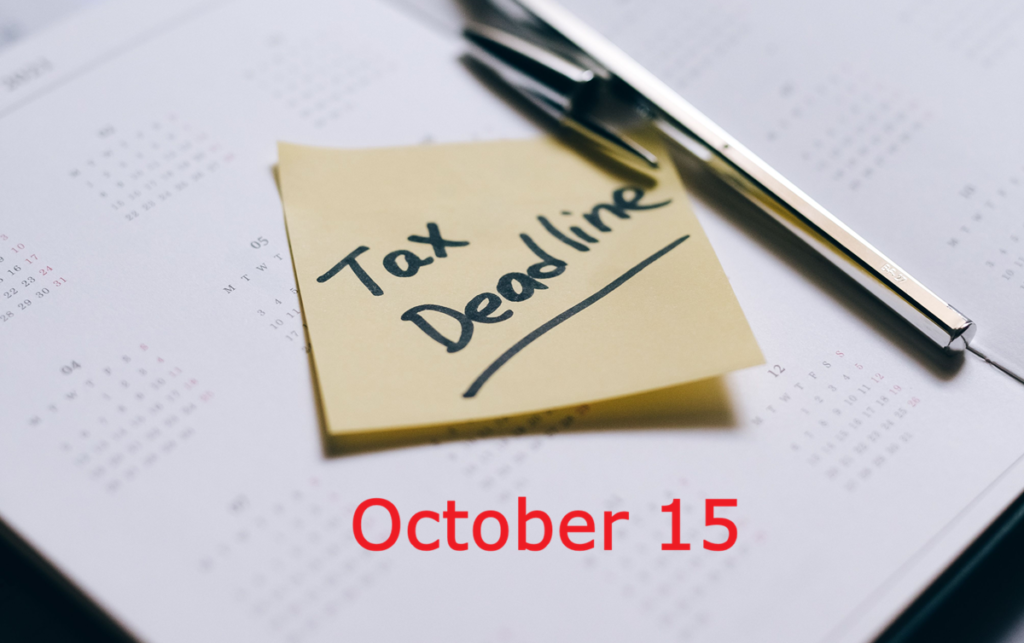
The NTEU supports delaying the July 15 tax deadline to Oct. 15. That's something that even Treasury Secretary Steven Mnuchin has come around to at least considering as coronavirus conditions again worsened.
Stay tuned, for possible changes to Tax Day 2020 and the July 13 call-back date for all IRS employees.
| Coronavirus Caveat & More Information In 2020, we're all dealing with extraordinary circumstances, both in our daily lives and when it comes to our taxes. The COVID-19 pandemic and efforts to reduce its transmission and protect ourselves and our families means that, for the most part, we're focusing on just getting through these trying days. But life as we knew it before the coronavirus will return, along with our mundane tax matters. Here's hoping that happens soon! In the meantime, you can find more on the virus and its effects on our taxes by clicking Coronavirus (COVID-19) and Taxes. |
Advertisements