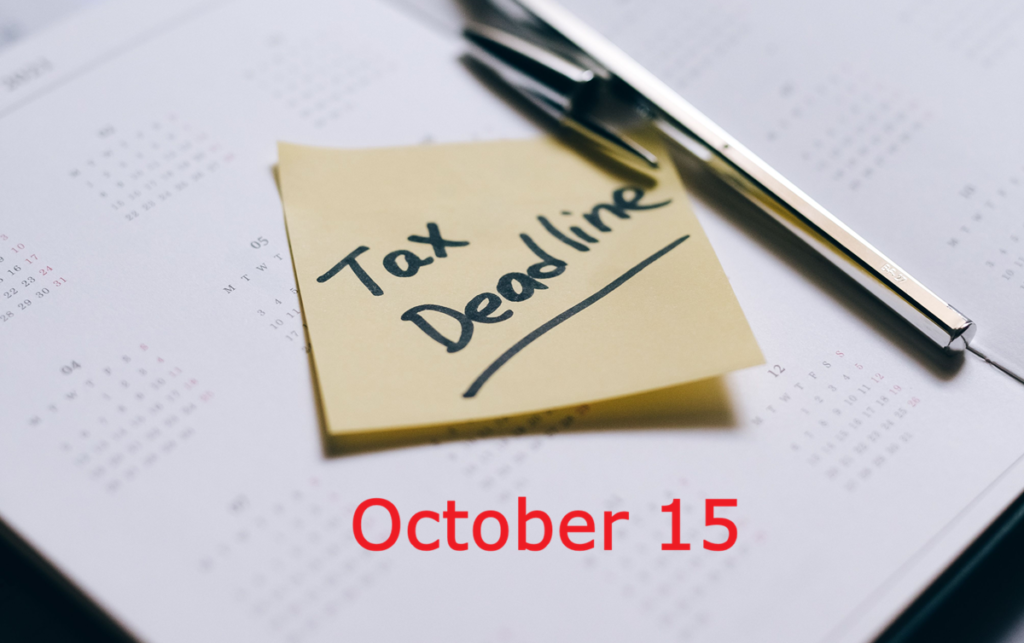
By most accounts, the main 2025 tax filing season went remarkably well.
Internal Revenue Service National Taxpayer Advocate Erin M. Collins, in her report to Congress this summer, called it largely successful. Treasury Secretary Scott Bessent went further, describing 2025 as the “most successful tax filing season in years.”
But that’s not likely to be repeated during the 2026 tax filing season.
Cuts to IRS staff and operations by Department of Government Efficiency (DOGE) earlier this year are going to be felt for a long time. And now, thanks to the recently-enacted One Big Beautiful Bill (OBBB) Act, the reduced IRS staff will be dealing with a coming filing season full of change.
Now I know that weekends are supposed to be time to decompress from all that Monday through Friday throws at us. But if you’re here at the ol’ tax blog today, then you obviously are looking for some tax reading.
So this weekend’s Saturday Shout Outs go to some items addressing the 2026 tax season’s coming challenges.
The Good, the Bad, and the Ugly in the One Big Beautiful Bill Act analysis by Daniel Bunn, Alex Muresianu, and William McBride of The Tax Foundation notes in the ugly section that the new law “further complicates the tax code in several ways, sending taxpayers through a maze of new rules and compliance costs that in many cases likely outweigh potential tax benefits.”
The new tax bill burdens an already overburdened IRS commentary by Ellis Chen and Vanessa Williamson of The Brookings Institution look at how the new law will “create serious tax enforcement challenges for an agency that has already seen major staff cuts.” As for us filers, the Brookings duo adds, “The IRS receives more calls after major tax legislation, but it won’t be able to provide effective taxpayer service without restaffing.”
Cutting the IRS Enforcement Budget Is A Disservice To Taxpayers by Janet Holtzblatt for TaxVox, the blog of the Tax Policy Center. “When enforcement funding is cut, taxpayers potentially lose an important service provided by the IRS: the chance to gain clarity and, in some cases, certainty about what the tax code means for them before they file a tax return riddled with unintentional errors,” writes Holtzblatt.
Get ready now: I know, tax season is still almost six months away, so why worry about this now? Because the proverb is correct. Forewarned is forearmed.
Knowing about something that could be bad before it happens allows you to prepare for it. You can look into ways to approach the changes.
When that’s OBBB tax changes that apply to you, such as the state and local taxes (SALT) deduction increase or senior bonus or auto loan interest write-off or any of the other tax code revisions, you can start making your plans and relevant tax moves in time to maximize the changes to your vantage.
You also can start looking for a tax professional to help you make the appropriate OBBB-related moves this year, and claim any of the new tax breaks correctly next year.
But those tax planning moves can wait a couple more days. For now, after you finish reading this post, go out and enjoy your weekend, without any tax worries.
You also might find these items of interest:
- What the one big tax bill could mean for you
- Electric vehicle tax credit ending in just three months
- Standard tax deductions for 2025 bumped up by one big bill
Advertisements
🌟 Search Amazon Home Audio Products 🌟
The text link above is an affiliate ad. If you click through and then buy a product, I receive a commission.