Today, Oct. 16, is National Dictionary Day.
It was created to honor Noah Webster, the publisher of the first dictionary in 1806. Oct. 16 was chosen because it was the day 257 years ago on which Webster was born.
Dictionary Day is a day to learn new words with the help of a dictionary. I’m doing my part by updating — OK, creating in large part — a tax dictionary for the ol’ blog.
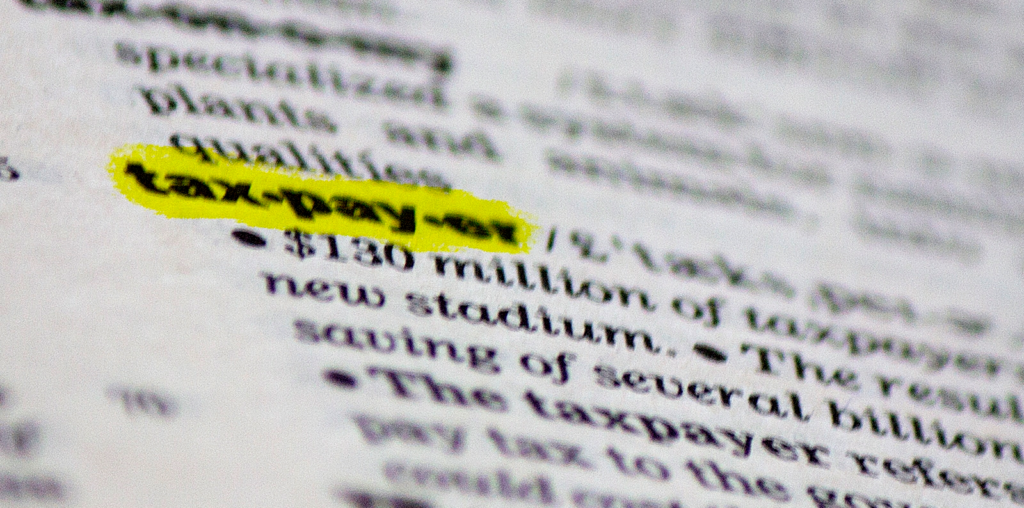
Photo by eFile989 via Flickr Creative Commons
Many years ago, I posted a mini-glossary of tax terms. Since that day, I’ve meant to put together a larger version. I have files and folders and jotted notes, both handwritten and on my computer, with tax terms to include.
When I learned last week of Dictionary Day, I set my sights on finishing my tax glossary by today. Well, we all know that old saying about the road to terminology hell being paved with good intentions.
Since there are so, so many tax terms, I’ve divided the ol’ blog’s tax glossary into five separate sections.
I’ve got an acceptable amount of terms in the first two tax dictionary chapters. And rather than wait until all of them are finished, I’ve decided to take advantage of Dictionary Day 2015 and announce their existence now.
So check out the Tax Glossary terms A through E and F through J now. Don’t worry about bookmarking them (although you certainly can if you want). They’re always accessible via the Tax Terms link in the navigation bar at the top of the page.
UPDATE, Oct. 17: Tax Glossary section K through O is posted!
UPDATE, Oct. 24: All five Tax Glossary sections — P through T and U through Z — are completed, at least enough to post.
I’m going to continue to work today (and probably tonight and tomorrow, since the hubby has the day off and he wants me to join him at a movie matinee; we’re thinking “Bridge of Spies”) on the other parts of the ol’ blog’s tax dictionary. I’ll let you know when those other three glossary pages are done.
Thanks for your indulgence. And let me know in the comments section below what tax terms you think I need to include in the two segments that went up today, as well as in the rest of tax glossary.
Find more tax news and tips at the Don’t Mess With Taxes home page.