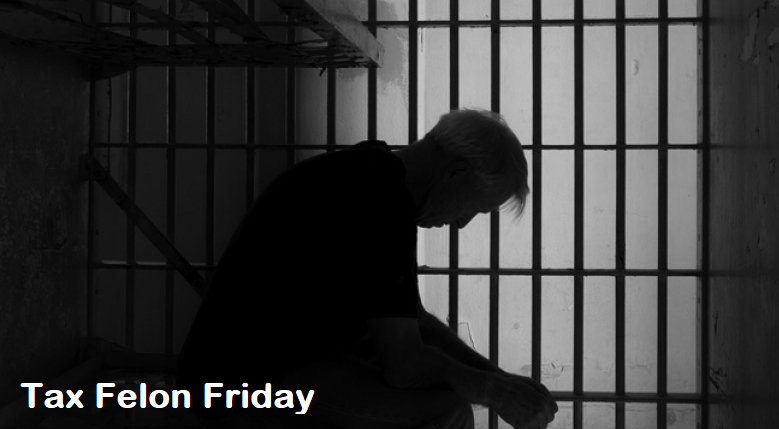
Dear Washington, D.C., take a look at Minnesota on this long weekend when we Americans are supposed to be celebrating our country's independence.
Instead, folks in that upper Midwest state are having a decidedly crappy Fourth of July holiday.
And it's a picture of what could happen on a national scale if you guys and gals who ostensibly work in the District of Columbia don't get your acts together.
Here's the deal.
On Friday, many of Minnesota's government services were unavailable because state lawmakers couldn't agree on an operating budget.
The problem? A partisan impasse over how to deal with the state's $5 billion budget deficit.
Political posturing getting in the way of serving the citizenry? Do tell.
Stop me if you've heard this before: How Minnesota got to this sorry state of affairs sounds way too familiar.
It began in November 2010, when Minnesota voters sent to St. Paul lawmakers with such divergent points of view that a fight was guaranteed.
Republicans gained control of both legislative chambers for the first time in almost 40 years, intent on cutting programs and opposing any new taxes or increases of existing taxes.
Meanwhile, Mark Dayton became Minnesota's first Democratic governor in two decades. He made no secret of his desire to save programs for the poor by collecting more income taxes from the state's very highest earners.
Sound familiar, Capitol Hill?
Then came budget negotiations. Minnesota lawmakers began the process civilly, examining fiscal proposals privately. The word compromise even was mentioned.
But when it got down to crunch time, political orthodoxy took over.
Hmmm. Why are signatures on no-tax pledges by current federal lawmakers and wannabe leaders at the national level coming to mind?
But I digress. Back to the North Star State.
In St. Paul, the budget clock was ticking, but neither side could find a way to bridge the divide over holding the line on spending and raising taxes to maintain services for those most in need.
Now where have I heard this argument before? Oh yeah. Washington, D.C.
So except for essential services, Minnesota has closed its governmental doors.
Everybody loses: Guess what? No one, neither among the public nor in either political party, is happy.
Optimists are holding out hope that the July 4th break will be a cooling off period during which both sides can rethink their positions.
Pessimists suggest that everyone responsible for the shutdown might want to take this time off to work on their resumes.
That point of view hasn't escaped the governor.
"I think the Republican majorities in the House and Senate and I will all suffer politically," Dayton told the Associated Press. "I told them at the very beginning of session, I told their leaders, we can either make each other look good or we can make each other look bad. Our political fortunes are kind of inexplicably tied together here."
I'll ask it just one more time, D.C.: Are you listening?
Government déjà vu: The New York Times has compiled a list of state shutdowns over the last decade caused by budget disagreements. They include:
- Michigan, two hours on Oct. 1, 2009
- Michigan, four hours on Oct. 1, 2007
- Pennsylvania, one day on July 9, 2007
- New Jersey, seven days in July 2006
- Minnesota, nine days in July 2005
- Tennessee, three days in July 2002
Related posts:
- Tax cutting on Capitol Hill gets personal
- Democrats support tax fraud and waste;
Republicans hate middle-class workers - What do you want from government?
- Tax cut crazy Colorado
- What government services would you give up for a lower tax bill?
- State Tax Departments
Want to tell your friends about this blog post? Check out the buttons — Tweet This, Reblog, Like, Digg This and more — at the bottom of this post. Or you can use the Share This icon to spread the word via e-mail and online avenues. Thanks!