

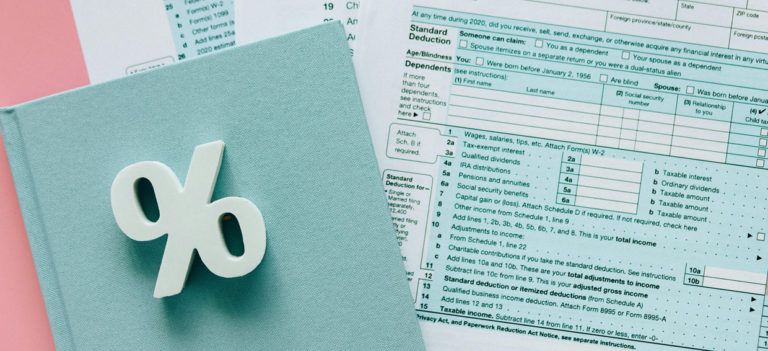
The individual tax breaks created by the 2017 Tax Cuts and Jobs Act (TCJA) were a prime focus of the massive tax and spending measure signed during a July 4 White House ceremony.
Those provisions, notably the seven ordinary tax rates and the essentially doubled standard deduction amounts, were set to expire at the end of this year.
Now, thanks to the One Big Beautiful Bill (OBBB) Act, now officially Public Law 119-21, they are permanent.
Plus, the OBBB sweetened the standard deduction amounts for the 2025 tax year, as well as added an additional year of inflation adjustment to the three lower tax brackets.
Standard deduction bump: One of the most popular provisions of the 2017 tax law was the increase to all standard deductions amounts. They basically were doubled.
That meant that claiming the standard deduction became even more popular than itemizing. Now almost 90 percent of taxpayers use the standard method rather than track tax deductible expenses and itemize them on Form 1040 Schedule A.
Simply making the current standard amounts, which are adjusted annually for inflation, permanent would have eased most taxpayers’ concerns. But lawmakers opted to add to the 2025 deduction amount.
For this tax year, the standard deduction increases from $15,000 for single taxpayers to $15,750; from $22,500 for head-of-household filers to $23,625; and from $30,000 for married couples who file jointly to $31,500.
Taxpayers will see these standard amounts on their 2025 Form 1040 when they file it next year. Then, as is usual procedure, the enhanced standard deductions will again be adjusted for inflation next year.
The immediate standard deduction increase was calculated, note political cynics (including me).
Rather than simply making the current amounts permanent and letting them increase annually with the inflation numbers released each fall, taxpayers now will see an OBBB benefit when they file their 2025 returns in 2026.
Next also just happens to not-so-coincidentally be a midterm election year.
Taxpayers no doubt will welcome, whatever the motive, the larger standard deduction claim. We’ll have to wait until November to see if it’s enough to sway votes.
Tax rates remain in place: Whether you claim the standard deduction or are among the few who still itemize, that amount will help lower trim your overall income. Shaving off those dollars could drop you into a lower tax bracket.
The seven tax rates set by the TCJA and made permanent by the OBBB are 10 percent, 12 percent, 22 percent, 24 percent, 32 percent, 35 percent, and 37 percent. The amount of your income that’s subject to some (for most of us) or all (for the wealthy) of each these tax rates is determined by the annual tax brackets.
Those earnings amounts are detailed in Part 1 of the ol’ blog’s most recent tax inflation series, 2025’s inflation-adjusted tax brackets will keep some taxpayers from being bumped to a higher rate.
As noted earlier in this post, the OBBB added an additional year of inflation adjustment to the three lower — 10 percent, 12 percent, and 22 percent — tax brackets. It will take effect in 2026.
This added adjustment was designed to create bracket thresholds that are higher than they otherwise would have been if the expiring TCJA brackets had simply been extended. The move, according to OBBB writers, should help offset bracket creep, where inflation alone could otherwise push taxpayers into higher brackets.
You also might find these items of interest:
- What the one big tax bill could mean for you
- GOP offers new tax breaks for 2026 election year filers
- Tax law changes highlight the importance of professional tax help
Advertisements
🌟 Search Amazon Home Audio Products 🌟
The text link above is an affiliate ad. If you click through and then buy a product, I receive a commission.

