


The annual Tax Day filing deadline is fast approaching. You can get more time to file by requesting an extension. Just be sure to pay what you owe. Here’s how to do both.

The key April 15 tasks are filing your return and paying any due tax. But there are some other tax responsibilities that must meet the Tax Day deadline.

Some taxpayers intentionally push the filing envelope. Others simply make claims that have long caught the IRS’ eye. Here are 11 instances that could be red flags for a tax auditor.

The longest-ever government shutdown mainly affected Department of Homeland Security agencies, including airport security check staff. As it appears to finally be winding down, Tax Day for affected federal workers is pushed from April 15 to May 15.

April brings not only spring showers for thirsty flowers, but also several tax tasks. Here are six April tax moves to consider.

It’s April, the month that’s the traditional home of Tax Day. But in addition to the annual filing of tax returns, there are plenty more tax-related tasks to take care of this month.

Celebrating a birthday is fun. It also can mean tax tasks for older partiers who must take a required minimum distribution, or RMD, from a tax-deferred retirement account. One of those deadlines is April 1.

When brackets come up in March, sports fans immediately think NCAA college basketball tournament. But we tax folks know each spring is all about tax brackets and what they mean for our annual tax bill.
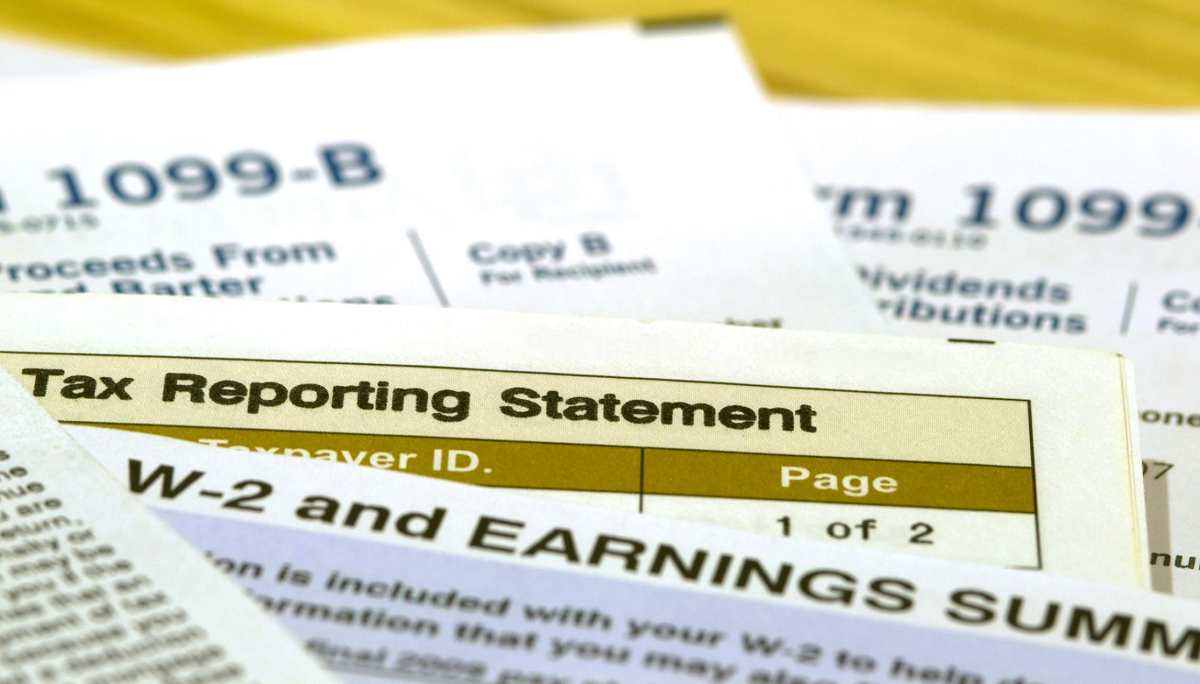
You’ve got most of the tax material you need to file, but a few are missing. Here’s how to track down that info so you can file on time.
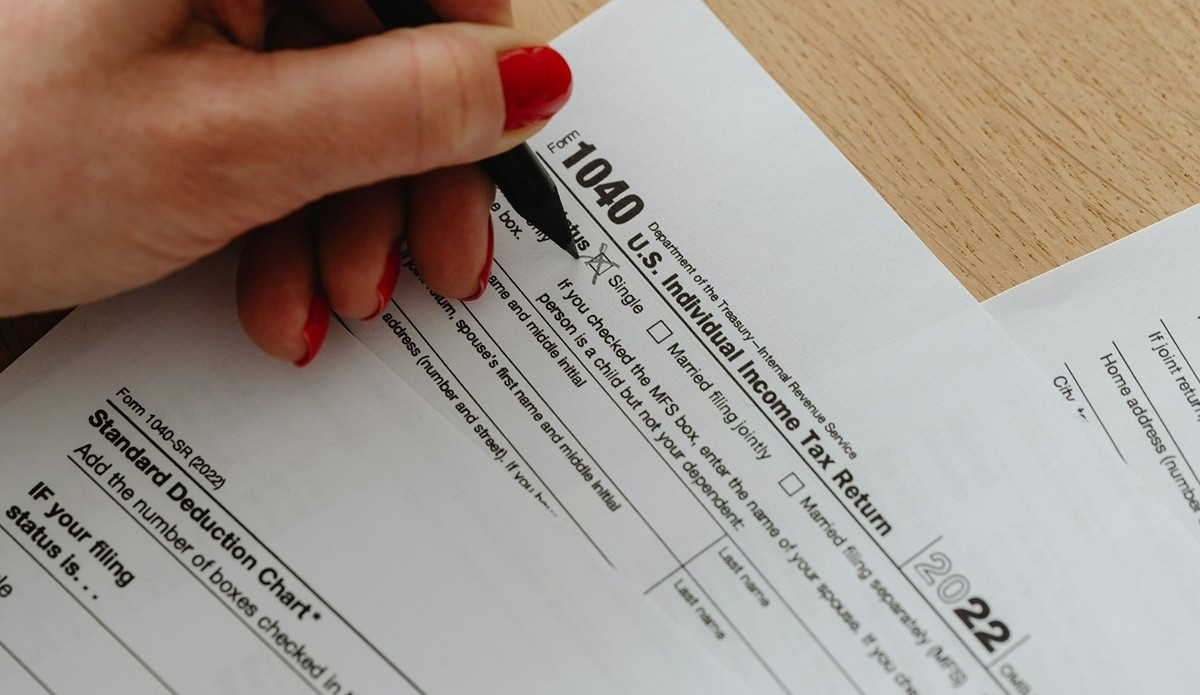
If you didn’t file a tax year 2022 return back in 2023 and were due a refund, time is running out for you to get your money. April 15, 2026, is the deadline to submit that old filing to the Internal Revenue Service and claim your cash.

Taxes are confusing and frustrating. That’s why we all sometimes make filing mistakes. Here are 11 tax-filing errors to be aware of so you don’t make them.

Don’t cheat yourself this Tax Day by overlooking tax deductions and credits that could cut what you owe Uncle Sam.
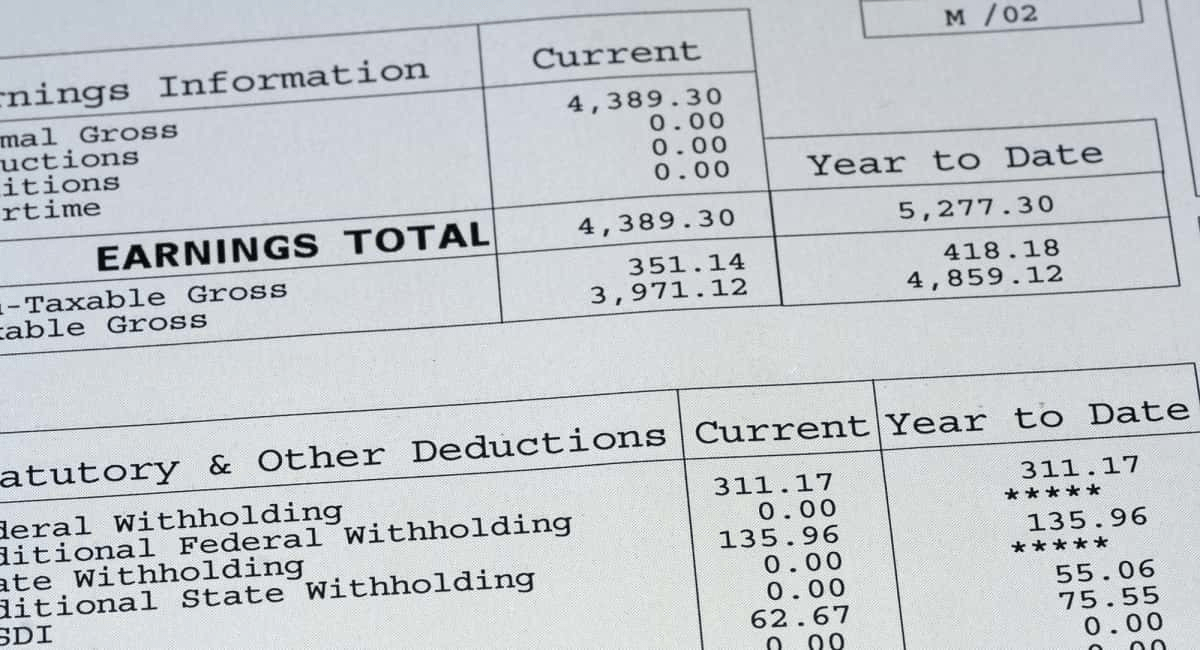
Getting your paycheck tax withholding amount just right pays off at tax-filing time and throughout the year with your pre-filing cash flow. The IRS’ newly updated tax withholding estimator can help.

An executive order mandating Uncle Sam primarily make electronic financial transactions has caused tax refund delays for more than 800,000 taxpayers (so far) this filing season.

IRS Taxpayer Assistance Centers (TACs) don’t help with filing, but offer guidance on other federal tax matters. This year, the IRS is again expanding TAC weekday hours and opening some centers on select Saturdays.

Tax filing season is also peak time for tax scams. Be on the lookout for and avoid falling victim to the IRS’ 2026 list of Dirty Dozen tax scams.

Free is always welcome. That’s especially true at tax time, when taxpayers look for no-cost help to prepare and file their returns. Here are some free tax filing options.

Here are some March tax moves that can work for both tax lions aggressively attacking their returns, as well as tax lambs who prefer a more docile approach.

Most taxpayers, at both the federal and state levels, get tax refunds every year. But this filing season, five states have been particularly slow in sending residents’ their refunds.

Taxes are all about the numbers. And in the By the Numbers feature, we track some of the notable digits that could affect our filings.
March is the last full month of the annual high tax season. Here are tax tips to help your get your return done by April 15 Tax Day.

Saving now can make for a better retirement later. The Trump administration is proposing a new retirement vehicle. But the existing Saver’s Credit could help you this tax filing season.

The almost two dozen above-the-line tax deductions get some company this filing season. The One Big Beautiful Bill Act added four below-the-line deductions. And in all cases, the tax breaks are available to eligible taxpayers regardless of whether they itemize or claim the standard deduction.

It’s always disconcerting to find a letter from the Internal Revenue Service in your snail mailbox. But don’t panic. That’s just one of the 10 steps to successfully handle any IRS notices you might get.

Taxes are confusing. But what if you can’t afford a tax professional to help you file? The people who staff VITA and TCE sites across the United States could be your low- or no-cost tax preparation answer.

The only thing worse than waiting for telephone help is waiting for IRS tax help. Avoid the delay and hold music by using the IRS.gov assistance options, including those available with an individual taxpayer online account.

Married couples share almost everything, including taxes. For most, sharing taxes by filing a joint return is the best tax strategy. Here are six ways married filing jointly can pay off for wedded pairs.

California gets a fiscal boon from the jock taxes owed by Super Bowl LX teams. But this nonresident tax, which other states also collect, applies to more than just athletes.

Bettors are expected to place a record $1.76 billion in legal wagers on Sunday’s NFL championship game. Any of those Super Bowl bets that pay off are taxable income.

Sure, February is home to Valentine’s Day, but millions of Americans’ thoughts turn not to love, but taxes. This shortest month is a big one for taxpayers. Here are 3 tax moves to help with your return filing and tax refund.
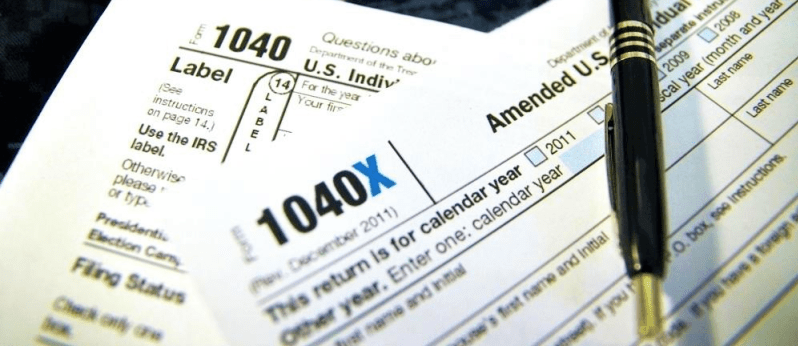
The IRS has its own version of Groundhog Day for taxpayers who must correct prior erroneous filings. It’s called filing an amended tax return using Form 1040-X.
February is for tax lovers. OK, from the tax perspective, it’s really more for lovers of “let’s just be done with tax filing” this month. And even though it’s the shortest month, there’s a lot you can do to cut your tax bill.

Larger families do get more from the Earned Income Tax Credit. But this valuable tax break also is available to eligible single taxpayers. If you qualify, claim the EITC!

Nobody likes filing a tax return, so why should someone who isn’t legally required to file go ahead and send the IRS a Form 1040? The #1 reason is because it might get you a tax refund. Check it and five other situations where filing, even if you don’t have to, can pay off.

Do you have to file a tax return? Probably. Not much is out of IRS’ reach. But in some cases, Uncle Sam lets folks off the tax-filing hook. Here’s a look at what determines whether you must file a Form 1040.
Meg White via Giphy When the hubby and I lived in the Washington, D.C. area, we became big fans of the Washington Capitals. We eventually bought season tickets, and the National Hockey League’s team’s location back then in suburban Maryland, where we had moved, made getting to and from the games easy. One of my favorite Capitals’ ad campaigns asked if we sometimes felt like screaming. They encouraged potential new (or ticket upgrading) fans to buy game packages and come yell their hearts out at the arena. I don’t know about you, but way back then, and even more so…

Taking your time often is a good idea when it comes to tax filing. A slower, more deliberate approach to your 1040 can help ensure it is completed and filed correctly.
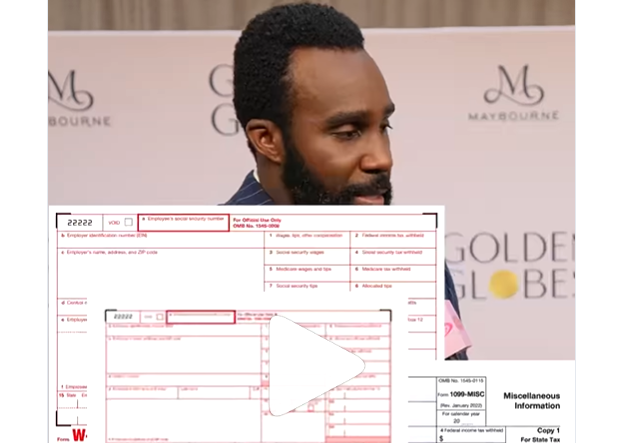
Tramell Tillman shows off his award-winning acting (and dancing skills) as Seth Milchick in “Severance.” In real life, Tillman also provides some solid social media tax advice.
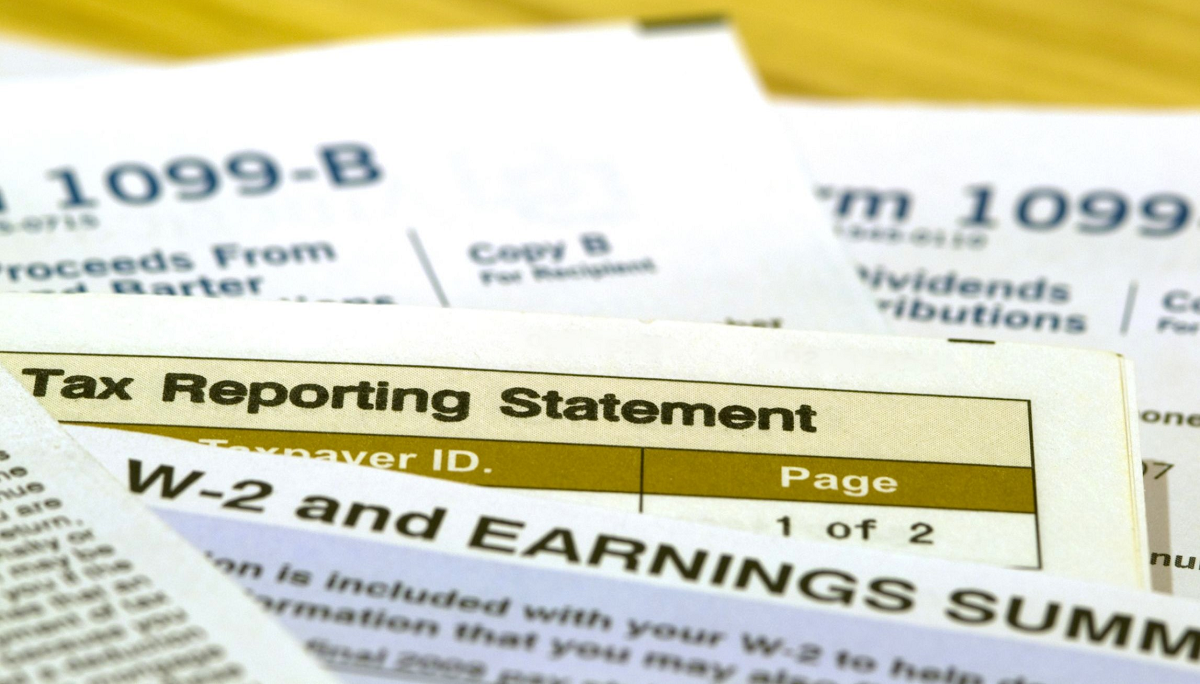
You’re ready to file your Form 1040, but don’t do it until you’ve received all your official tax statements. Here’s a look at the myriad tax documents, most of which you should receive by the end of January, that will help you file a complete and accurate return.

You don’t have to be a fortune teller to know that sometimes the best tax move is to file your return early. Here are 7 reasons why it’s good to get your Form 1040 to the IRS as soon as possible.

Take a close look at your 2025 tax return. New tax laws created by the One Big Beautiful Bill could provide you with added savings this filing season. Here are 8 to check out.
If you get income that’s not subject to withholding, you must cover the tax due by making estimated tax payments. The last one for the 2025 tax year is due Jan. 15, 2026. Yes, that is Thursday.

If you used IRS’ Free File last year to complete your federal taxes, then it’s tax déjà vu time. The same eight tax software companies are back for the 2026 tax season. You can use Free File if your 2025 income was $89,000 or less.

The 2026 tax filing season begins Jan. 9 for Free File eligible taxpayers. The full start is Jan. 29, the day the IRS will start processing our 2025 tax year returns.

These snow-obscured signs aren’t much help, but the ol’ blog, basking unseasonably warm January temperatures here in Central Texas, has some tax guideposts to help to help welcome the new 2026 tax year. (Photo by Christina & Peter)
Happy New 2026, a year that brings us more than one, and in some cases not so beautiful, retroactive changes to our 2025 taxes. Plus, some of the those tax breaks that politicians hope will popular are temporary. So, buckle up. It’s time again for taxes!
Whoa up there, cowboy. We’re not there yet. Brett Eldredge via Giphy I can’t tell you how thrilled I am that you want more tax tips. But as the animated fellow above notes, we’re not there — there being December 2026 — yet. Rest assured that once the calendar page flips to Dec. 1, this page will resemble a tax version of Santa’s sack. At this point in the year, the focus will be on year-end moves that can help you save on this year’s taxes. And yes, you can click on all the other tax tip page links…
Whoa up there, cowboy. We’re not there yet. Brett Eldredge via Giphy I can’t tell you how thrilled I am that you want more tax tips. But as the animated fellow above notes, we’re not there — there being November 2026 — yet. Rest assured that once the calendar page flips to Nov. 1, this page will start filling up with tax information that mostly will focus on post-filing followups. But since our 2026 taxes are still accruing, you’ll also find tips on moves to trim that amount. You can thank me later. Okay, bad Turkey Day reference. But…

If you use your car for business travel, your standard mileage deduction rate will increase 2.5 cents per mile in 2026. Other rates, however, will be lower next year.

Mom often is the best doctor. But sometimes, we must turn to professional physicians and treatments. FSA money can help in these cases, as long as you didn’t lose the funds because you didn’t use them in time.

There’s not much of 2025 left, but you still might be able to make some moves by Dec. 31 that could reduce this year’s tax bill.

Many of us donate old clothes and household goods at year’s end. For some, the charitable gifts can be a tax deduction. But you must follow IRS rules to claim the tax break, including properly valuing your donations.

If you’re planning on parking a new car with a big red bow in your driveway this Christmas, the latest tax reform bill has an added present for you. You might be able to deduct up to $10,000 in loan interest.

Nobody bats 1000 when it comes to picking stocks, but that could be good tax news. If some of your assets paid off this year, you can reduce those taxable gains by using tax-loss harvesting.

If your retirement goal is the same as mine – do so as soon as possible! – then you need to add as much to your tax-favored retirement plans now. There’s a Dec. 31 deadline for some contributions.

Holiday shopping online is easy, for shoppers and scammers. Be careful in your online deal searches, as crooks can use the personal info they steal now to file false tax returns claiming fraudulent tax refunds.

Changes are coming in 2026 to charitable tax deductions that could affect your 2025 donation decisions. Check them out to find ways to make charitable gifts pay off now and next year.

Being sick sucks. Having to pay a lot of out-of-pocket medical expenses can make you feel even worse. But if you have a lot of medical and dental costs, you might be able to put them to itemized tax deduction use.

Retiring the way you want is easier when you save well before your golden years. Here’s how much you can put this, and next, year in tax-favored retirement plans.

Ensure your tax cornucopia runneth over by getting your tax ducks, uh, turkeys in a row this November. Moves this month include examining if the new $40K SALT cap will make itemizing worthwhile, and looking into home energy improvements.

Residents of parts, and in some cases, all of these states dealt with real-life scares earlier this year. This post-Halloween weekend, they are facing a Nov. 3 disaster-delayed tax filing due date.

You moved to France for a new job (and more!), and discovered the IRS was a hitchhiker. But there are some tax provisions to help offset your worldwide tax bill. Here are the 2026 inflation adjustments.

Millions of Americans receive Social Security benefits. But plenty also pay tax on that money, at both the federal and state levels. Nine states join Uncle Sam in taxing at least some of the federal retirement benefits.

Running the numbers is important for everyone, but critical for older folks who rely on Social Security benefits, and the annual cost-of-living increase, to cover much of their living expenses.

The Alternative Minimum Tax, known as the AMT, used to work like an ATM for Uncle Sam. Inflation adjustments helped eased the bite, but tax law changes in 2026 could force more filers into the AMT’s clutches.

Letting your money work for you via investments gets a boost next year, with wider capital gains tax brackets. Also affected by the annual inflation bumps are estate planning, gifts you give before you go, and youngsters’ investment earnings.

Medical costs seem to go up every year (or more often!). But the IRS’ annual inflation adjustments to tax-related health care provisions might be able to help you feel better at filing time.

One easy way to cut your tax bill is to claim tax deductions and tax credits. There is a wide variety of these tax breaks, and the amounts generally get annual inflation bumps. Here are 2026’s.

Did you put off filing your 2024 tax return back in April? Well, your absolutely final tax deadline is Wednesday, Oct. 15. Here are some last-minute extended filing tips.

The IRS’ annual inflation increase in the standard deduction amounts makes that deduction option even more appealing. But don’t automatically claim it. Some tax years, it’s worth itemizing.

Let’s get the 2026 tax party started with the tax brackets that will apply to the new year’s income. While the deadline to make most moves affecting 2025 taxes was Dec. 31, it’s still helpful to compare the 2025 and 2026 income tax brackets as we file our 2025 return and implement strategies to cut this year’s taxes.

The IRS’ 34,000 furloughed employees are facing some financial challenges. Their situation also offers us nonfederal workers tips, including tax-related ones, on preparing for similar fiscal crises.

Uncle Sam’s offices are closed because of a political fight over tax help for Affordable Care Act enrollees. Here’s a look at the tax break, who’s affected, and how the tax break battle might end.
Photo by Vlad Chețan October traditionally is the scariest month, and I’m not just talking about the terror that strikes when you run out of candy on Oct. 31 while young ghouls and goblins are still roaming your neighborhood’s streets. There’s also the coming colder weather, which sends a chill along the spines of those like me who prefer warmer weather. And, of course, there is the absolutely final tax filing deadline to meet by Oct. 15 or face late-filing penalties if you discover you didn’t pay enough when you got the Form 1040 extension. This year, the tax deadline has…

Every tax filing season, people need help but can’t afford to pay a tax pro. You can provide that help as a volunteer at no-cost Volunteer Income Tax Assistance and Tax Counseling for the Elderly locations.
Photo by Amina Filkins …When you start your new business, you make a lot of decisions about how it will be presented to the public. Coming up with the perfect name means customers will take note of your new company and keep coming back. Your corporate moniker also will be key to your business branding and marketing. But there’s another identification component that’s just as crucial. It’s the Employer Identification Number, or EIN, that you’ll need when you comply with the various tax responsibilities you now face as boss. An EIN basically is your corporate entity’s equivalent of an individual’s Social…

The WOTC, administered in conjunction with the U.S. Department of Labor, provides a tax break to employers who hire individuals from certain groups who tend to consistently have trouble getting jobs.

The Treasury Department has released a list of 68 jobs, divided into eight categories, that will be able to take advantage of the One Big Beautiful Bill’s new no tax on some tips.

The tax provisions in the One Big Beautiful Bill (OBBB) Act also accelerate the termination dates for a variety of other energy-related tax credits. Many home-related ones end Dec. 31, 2025.

Labor Day marks the unofficial end of summer. It’s also a time to make some September tax moves to save you some money.
One of the family-friendly individual tax changes in the One Big Beautiful Bill (OBBB) Act is an expansion of the federal adoption tax credit. Starting this tax year, when you adopt children younger than 18 or who can’t take care of themselves, Uncle Sam does more at tax filing time to help you add to your family. The tax credit of up to $17,280 for each adoptee remains the same in 2025, but now up to $5,000 in qualifying adoption expenses are refundable. That means that five grand in claimed adoption expenses can potentially come back to you as a…

Donald J. Trump has been musing lately about making one of the best tax breaks for homeowners even better.
Before gig work because the popular way to make extra money, a lot of folks relied on their hobbies. One of my neighbors, for example, loves to spend his weekends snapping photos of the many natural areas here in Central Texas. But he soon discovered that he can pocket some extra cash by aiming his camera at weddings, anniversary celebrations, and youngsters’ birthday parties. He doesn’t consider it a second job, but maybe he should. The extra cash he’s making from his avocation is taxable income. If he operates it as a business, he might be able to deduct some…
Photo by olia danilevich The senior bonus is one of the new tax breaks in the One Big Beautiful Bill Act that became law on July 4. It’s not tax-free Social Security benefits that Donald J. Trump promised. But the $6,000 maximum tax break, or $12,000 for married jointly filing couples where each spouse is age 65 or older, will provide some tax relief to the country’s senior citizens. The new tax break is available to taxpayers regardless of whether they itemize or claim the standard deduction. The tax bonus also is age-related, not tied to the federal retirement…
Admit it. You never get anything done this month until after July’s fireworks. That’s especially true this year, with July 4 falling on Friday. Many of us are taking extra-long holiday breaks. Enjoy your Independence Day celebrations. And be safe, both in traveling to share the holiday with family friends and in the actual igniting of displays. But once the last mini bombs have burst in the air, leaving only the bottle rocket's red glare, it’s time to get to work. That includes taking a midyear tax checkup. A review now, with half a tax year left, can help you…
The National Hurricane Center’s image of Tropical Storm Andrea. The first named system of the 2025 Atlantic hurricane season formed in the central Atlantic Ocean, meaning it’s not a threat to make landfall. June 1, 2026 note: This post was published almost a year ago with a slightly different headline (Resources to deal with disasters, as 2025 hurricane season gets its first named storm), but its information is still valid. You can read the most recent version of hurricane preparation, both physical and financial/tax moves to make in advance of storms, in Hurricane 2026 preparation and tax tips. And…

An artist’s rendering of a planned San Antonio shopping center has a treat for fans of the “Better Call Saul” television series. It’s also a reminder to be careful when choosing a paid tax preparer.
Photo by Belle Co … We made it. Tax Day 2025 is finally over for most of the country’s 140 million or so individual tax return filers. Now what? First, take a minute or more to celebrate being done with this annual tax obligation. Then, start thinking about taxes again. Wait! Come back! You did click over here, after all. And to reward your post-Tax Day curiosity, here are seven tasks you should consider. I promise they aren’t that difficult. 1. Adjust your paycheck withholding. Your tax goal each year should be for your paycheck withholding to cover as closely…

You live in a state with a high personal income tax rate. Would you benefit by moving to a low- or no-tax state? Maybe. Maybe not.
Spring has sprung, with the accompanying seasonal focus is on spring cleaning. One of our neighbors is focusing on sprucing up their yard. The pile of dirt in the street, shown in the photo topping this post, is now being transferred to flowerbeds. So, of course, it got me thinking about taxes. While this household and other people on our block pay crews to mow their lawns even in the dead of winter (go figure), landscaping generally is seasonal work. These companies tend to make most of their income during the warmer months of the year. They also are a good…

Millions of taxpayers already are filling out their 2024 tax returns. Now they just need to know when the Internal Revenue Service will start processing them.

Bet legally, and pay tax on all your winnings — Fall is football and betting season in the United States. Both the college and professional games attract a sizeable amount of wagering. The Internal Revenue Service urges anyone putting a few (or more) dollars down to do so at a legal betting establishment. It’s safer for bettors, and it helps Uncle Sam get what he’s due, since gambling winnings are taxable income.
No place in the world is disaster proof. Mother Nature unleashes her horrors globally and year-round via hurricanes, tornadoes, wild fires, floods, blizzards and more. This special Natural Disasters Additional Resources Page, part of the overall Storm Warnings collection of Don’t Mess With Taxes blog posts about disasters and the associated tax implications, provides information beyond my posts (for example, from official government sources/resources) on the previous pages on how to cope with Mother Nature when she turns into Mommy Dearest. So, since time is of the essence when you’re looking for natural disaster data, here goes with some added links to…
No place in the world is disaster proof. Mother Nature unleashes her horrors globally and year-round via hurricanes, tornadoes, wild fires, floods, blizzards and more. This special Natural General Storm Warnings Page, part of the overall Storm Warnings collection of Don’t Mess With Taxes blog posts about disasters and the associated tax implications, offers some general posts on weather alerts and potential trouble when it looks like Mother Nature is about to turn into Mommy Dearest. So, since time is of the essence when a bad wind or rain or overflowing river or winter blizzard or whatever is approaching, here are some…
No place in the world is disaster proof. Mother Nature unleashes her horrors globally and year-round via hurricanes, tornadoes, wild fires, floods, blizzards and more. This special Natural Disasters Resource Page, part of the overall Storm Warnings collection of Don’t Mess With Taxes blog posts about disasters and the associated tax implications, offers suggestions and tax guidance on how you can help folks whose lives were been upended (or worse) when Mother Nature turned into Mommy Dearest. So, since time is of the essence when people are trying to put their lives back together after a natural disaster, here goes…
No place in the world is disaster proof. Mother Nature unleashes her horrors globally and year-round via hurricanes, tornadoes, wild fires, floods, blizzards and more. This special Natural Disasters Recovery Page, part of the overall Storm Warnings collection of Don’t Mess With Taxes blog posts about disasters and the associated tax implications, provides information on what you can do and where you can get help to recover as quickly as possible when Mother Nature turns into Mommy Dearest. So, since time is of the essence when you’re trying to get your life back after a natural disaster, here are some…
No place in the world is disaster proof. Mother Nature unleashes her horrors globally and year-round via hurricanes, tornadoes, wild fires, floods, blizzards and more. This special Natural Disasters Preparation Page, part of the overall Storm Warnings collection of Don’t Mess With Taxes blog posts about disasters and the associated tax implications, provides information on what you should do to get ready when Mother Nature is about to turn into Mommy Dearest. So, since time is of the essence when a natural disaster is bearing down on you, here goes with ways to get ready for the various catastrophes that…
No place in the world is disaster proof. Mother Nature unleashes her horrors globally and year-round via hurricanes, tornadoes, wild fires, floods, blizzards and more. These special Natural Disasters Resource Pages, which I’ve dubbed Storm Warnings, are the comprehensive collection of Don’t Mess With Taxes blog posts about disasters and the associated tax implications. As long-time blog readers know, I am a weather nut. I made that clear early in my blogging career. My second ever post back on Nov. 15, 2005, the one after unleashing introducing Don’t Mess With Taxes, was Stormy tax policy about, yes, hurricanes. My fascination…
Plus, a look at what next year’s inflation bumps mean to estate planning, gifts you give before you go, youngsters’ investment earnings, and more. “Let me tell you about the very rich. They are different from you and me.” F. Scott Fitzgerald didn’t add taxes in his elaboration of those differences in his 1925 short story “The Rich Boy,” but he could have. While most of us middle-income taxpayers get our money working for wages, wealthier individuals tend to let their money work for them as investments. And when they cash out long-term assets, the tax rate on the profits…
The Tax Glossary debuted on the ol’ blog in 2007. Since then, it’s gone through numerous updates and formatting changes, resulting in this version, which wraps up with tax and financial terms for U through Z.
Tax Tips
The More Tax Posts tab at the top of this page will take you to, well, more tax posts. You also can search below for a tax topic.

October 18, 2026
Tax reform changes to the adoption tax credit meant some families didn’t get the new…
TO WRAP UP 2026
It’s over! With October’s extended filing deadline behind us, it is now time to focus on year-end moves to reduce your 2026 tax bill.
You’ll find ways to do just that on the Tax Tips page (see the More Tax Posts drop-down menu at the top of the blog), as well as the separate tax tip pages for each month, notably October through December. If you’re on the Tax Tips page, you’ll find a monthly list at the end of this column. If you’re on another blog page, you can head straight to the October tips; at the bottom of that tips page you’ll find links to all the other 11 months’ collections of tax advice.
Not to spoil what you’ll find in that tax advice, but it does cover such things as tax deductions for charitable donations, investment moves that could reduce tax due, and ways to max out your tax-favored retirement savings.
Finally, as the year winds down, things get hectic. There are lots of other things to occupy our time, like the much more fun upcoming holidays. But don’t lose sight of taxes, since timing is key. To be of use, most tax moves must be made by the end of the tax year. That’s Thursday, Dec. 31, which also is the last business day of the year.
So that you don’t miss that final tax year deadline, also keep an eye on the countdown clock below. It will keep you on top of just how much time is left to make important, tax-saving moves. (Note: I’m in the Central Time Zone, so adjust accordingly for where you live.)